

Your Guide to the 1999-2001 Jeep Cherokee Camshaft Position Sensor
Don't let a bad cam sensor leave your XJ stranded; here's how to choose the right replacement part.
- The year range for the Jeep Cherokee (XJ) is 1984-2001; this guide is specific to 1999-2001 models.
- Prioritize Mopar or high-quality aftermarket brands like NTK and Standard Motor Products for this sensor; cheap parts are known to fail.
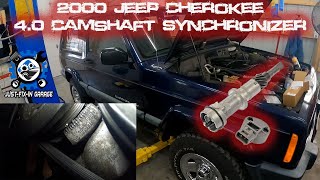
- Before replacing just the sensor, check the camshaft synchronizer for any wobble or play, as a worn assembly will destroy a new sensor.
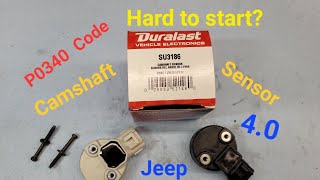
- Common symptoms include stalling, no-start, and a P0340 trouble code, but these can also mimic a failing crankshaft position sensor.
Is Your Jeep Cherokee Stalling or Not Starting?
A failing camshaft position sensor is a very common problem on the 1999-2001 Jeep Cherokee XJ with the 4.0L engine. When this sensor starts to go bad, it can leave you with a Jeep that's unreliable or won't start at all. The symptoms often get worse as the engine warms up and can appear suddenly, making it a frustrating issue to diagnose.
Common Symptoms of a Bad Cam Sensor
If your Cherokee is experiencing any of the following, a bad cam sensor could be the culprit:
- Check Engine Light: The most common trouble code is P0340, often paired with P1391.
- Crank, No Start: The engine turns over but refuses to fire up.
- Sudden Stalling: The engine may die unexpectedly while driving or when coming to a stop, which can be a major safety hazard.
- Extended Crank Time: It takes longer than usual for the engine to start.
- Rough Idle and Hesitation: The engine may run poorly, buck, or hesitate during acceleration.
Check the Synchronizer Assembly First!
Before you replace just the sensor, inspect the camshaft synchronizer assembly it sits in. This is the part that looks like a distributor. Grab the top of the shaft (where the sensor mounts) and try to wiggle it side-to-side. If there is any noticeable play or wobble, the entire synchronizer assembly is worn out and needs to be replaced. Installing a new sensor into a wobbly synchronizer will cause the new sensor to fail very quickly.
🎬 See what happens when a synchronizer fails and destroys the sensor.Choosing the Right Aftermarket Cam Sensor: Brand Quality Matters
For this specific part, brand quality is extremely important. Cheap, low-quality sensors are known to be faulty right out of the box or fail within a few weeks, forcing you to do the job all over again. Based on extensive owner feedback in Jeep communities, here is a breakdown of brand reliability.
Tier 1: OEM or OEM-Equivalent
Mopar (OEM): If you can find and afford it, the original Mopar sensor is the most reliable choice. It's what your Jeep was built with and offers the best guarantee of compatibility and long life.
NTK: Many in the Jeep community believe NTK is the original manufacturer for Mopar sensors. They are widely considered the best aftermarket option, offering OEM-level quality and reliability.
Tier 2: Reputable Aftermarket Brands
Standard Motor Products (SMP): A well-respected brand that offers a good balance of quality and price. Many owners have had good success with SMP sensors.
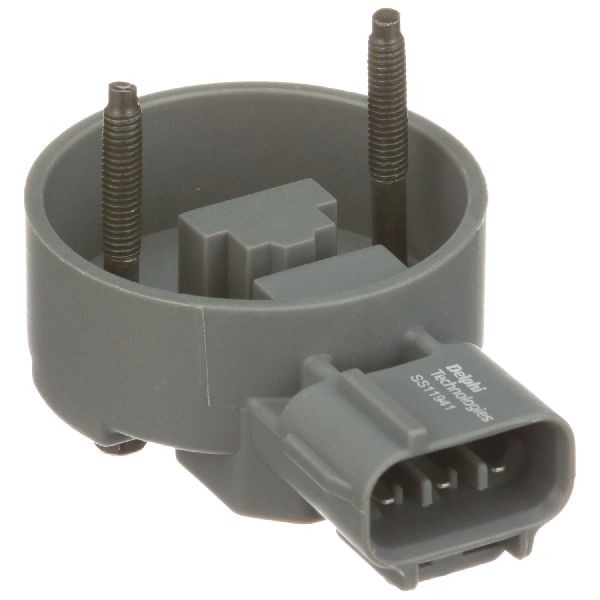
Delphi: Another major OEM supplier with a reputation for quality parts. Delphi is a solid choice if Mopar or NTK are not available.
Tier 3: Budget Brands (Use with Caution)
This category includes store brands and other low-cost online options. While the low price is tempting, these sensors have a high failure rate. They might work temporarily, but it's common for them to cause performance issues or fail completely shortly after installation. It is generally recommended to invest in a better-quality part to avoid future headaches.
Could It Be the Crank Sensor?
A failing crankshaft position sensor (CKP) can cause nearly identical symptoms to a bad cam sensor, including stalling and no-start issues. While a P0340 code specifically points to the cam sensor circuit, it's a good idea to consider the age and condition of your crank sensor as well, as they are both common failure items.
| Part Type | Estimated Cost |
|---|---|
| New Aftermarket Sensor | $19.54 - $62.51 |
| New OEM (Mopar) Sensor | $75 - $150+ |
| Shop Labor (Sensor Only) | $70 - $120 |
Frequently Asked Questions
Can I replace just the sensor, or do I need the whole assembly?
You can replace just the sensor if the synchronizer assembly it sits in is in good condition. If the shaft in the synchronizer is wobbly, you must replace the entire unit to prevent immediate failure of the new sensor.
What is a camshaft synchronizer?
On 2000-2001 Cherokees with a coil-on-plug ignition, the camshaft synchronizer replaces the old distributor. It is driven by the camshaft to tell the computer the cam's position and also to drive the oil pump. The camshaft position sensor is mounted on top of this assembly.
Why do cheap aftermarket sensors fail so often on this Jeep?
The Jeep 4.0L engine's computer system is very sensitive to the signal from the cam and crank sensors. Cheaper sensors may use lower-quality magnets and electronics that don't produce a clean, stable signal that the computer can read accurately, leading to poor performance and error codes.
Is this a difficult job to do myself?
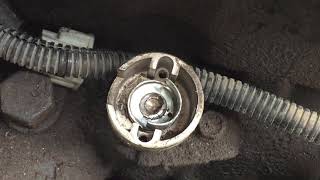
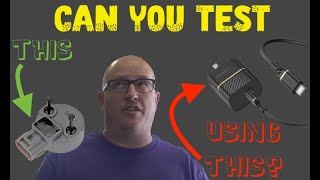
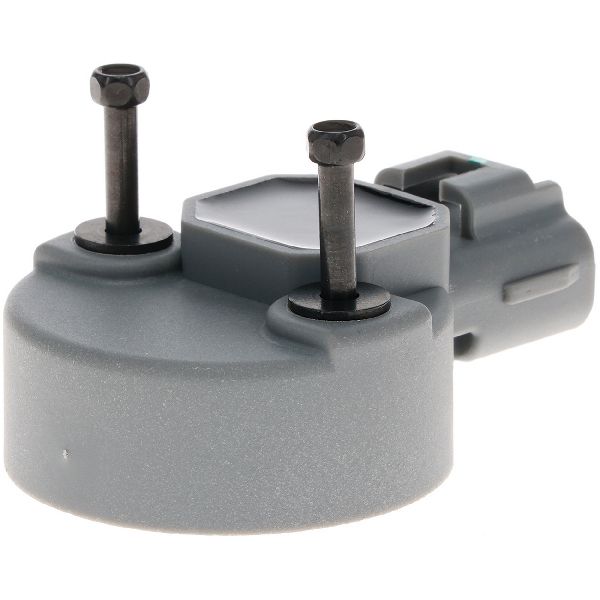
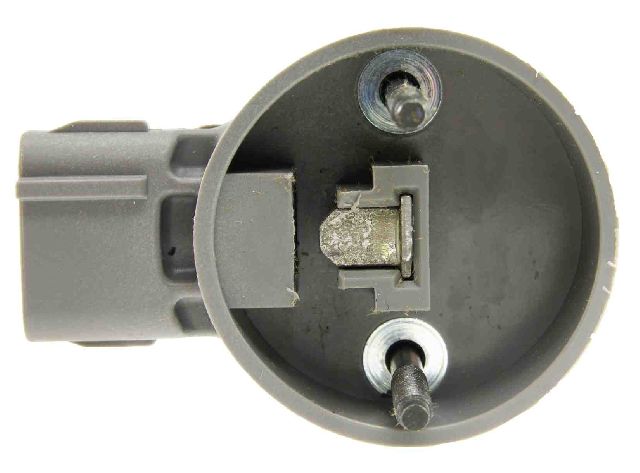
Replacing only the sensor is an easy job for a DIYer. 🎬 Watch this quick walkthrough for replacing the sensor yourself. It's held on by two small bolts and is easily accessible on top of the engine. However, replacing the entire synchronizer assembly is more complex because it affects engine timing and requires setting the engine to Top Dead Center (TDC).
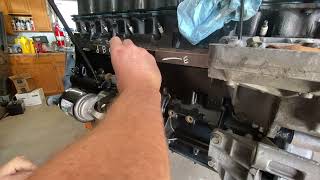
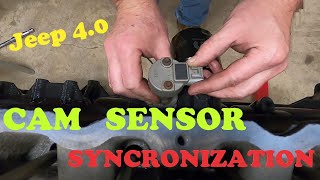
🎬 Watch this guide to properly synchronize the assembly with the engine.Helpful Videos
Technical Specifications
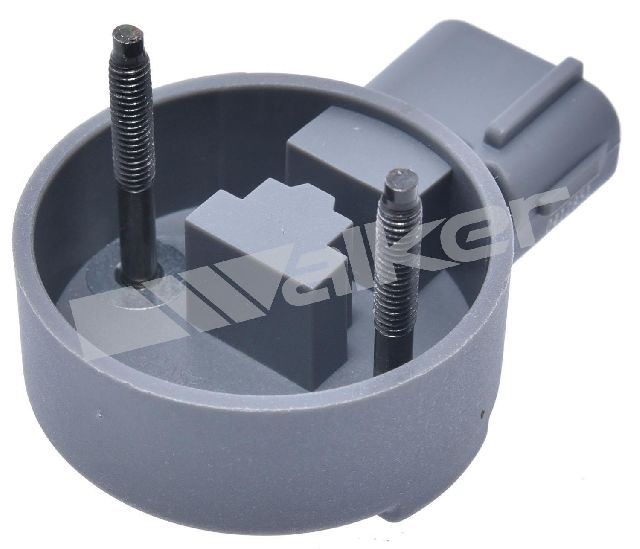
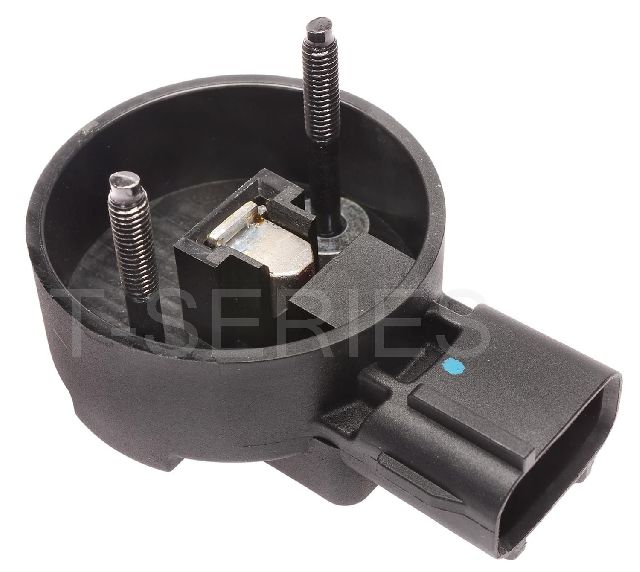
OEM Part Numbers: 56027866AB 56027866AC
Located in the camshaft synchronizer assembly on the driver's side of the engine, where a distributor would traditionally be. It is held in by two small bolts.
We Have This Part in Stock


The information in this article is provided for general reference and educational purposes only. Vehicle specifications, procedures, and part compatibility can vary by production date, trim level, and region. Always consult your vehicle's factory service manual and verify part numbers before purchasing or performing repairs. Safety-critical components such as airbags, seat belts, and braking systems should be installed by a qualified professional.
- Jeep Cherokee:
- 🎬 Helpful Videos
- 🛍️ Shop This Part
- Is Your Jeep Cherokee Stalling or Not Starting?
- Common Symptoms of a Bad Cam Sensor
- Check the Synchronizer Assembly First!
- Choosing the Right Aftermarket Cam Sensor: Brand Quality Matters
- Tier 1: OEM or OEM-Equivalent
- Tier 2: Reputable Aftermarket Brands
- Tier 3: Budget Brands (Use with Caution)
- Could It Be the Crank Sensor?
- Frequently Asked Questions
- 🎟️ Get 5% Off