

Engine Coolant Temperature Sensor Guide for 1999-2007 Mercedes-Benz SL500
Keep your SL500's engine running smoothly by understanding this critical sensor and choosing the right replacement.
- Verify if your SL500 is an R129 (1999-2002) or R230 (2003-2006) model before ordering to ensure correct fitment.
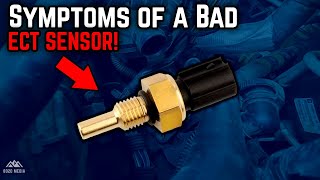
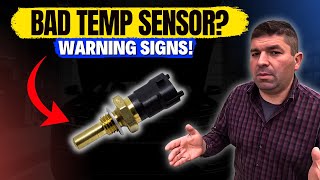
- Symptoms of failure include poor fuel economy, black smoke, a check engine light (P0117, P0118), and cooling fan issues.
- For reliability, choose high-quality aftermarket brands like Febi, Delphi, or Vemo, which are often OEM suppliers.
- Replacement is simple, inexpensive, and can be done with basic tools on a cold engine in under an hour.
Understanding the Engine Coolant Temperature Sensor in Your SL500
A faulty Engine Coolant Temperature (ECT) sensor can cause a surprising number of problems in your 1999-2007 SL500. Because the engine's computer relies on this sensor for so much information, a bad sensor can make the computer think the engine is cold when it's hot, or vice-versa. This can lead to everything from poor fuel economy to serious performance issues. 🎬 Watch: Common signs and symptoms of a bad ECT sensor Replacing a failing sensor is a straightforward and affordable repair that can prevent bigger headaches down the road.
Check Your Vehicle Generation
The 1999-2007 year range for the SL500 covers two distinct models: the R129 (1999-2002) and the R230 (2003-2006). While they may share the M113 V8 engine, part numbers for sensors can differ. Always verify the part fits your specific year and model before purchasing.
Choosing the Right Aftermarket Sensor
When it comes to sensors for a Mercedes-Benz, quality matters. While OEM is always an option, several aftermarket brands offer excellent quality, often from the same manufacturers that supply Mercedes-Benz.
- Tier 1 (OEM Supplier Quality): Brands like Febi, Delphi, and Vemo are often original equipment suppliers or produce parts to the same high standards. These are trusted choices for reliability and accurate readings, making them a smart investment for your SL500.
- Tier 2 (Standard Aftermarket): Brands such as Standard Ignition (SMP) and Walker Products provide reliable components that meet or exceed OE specifications. They offer a good balance of quality and value.
- Tier 3 (Economy): Brands like URO Parts, Facet, and Four Seasons are budget-friendly options. While URO Parts has improved its quality over the years, parts in this tier can sometimes have a mixed reputation for longevity. They can be a viable option for a quick fix, but for long-term peace of mind, sticking with Tier 1 or 2 is often recommended for critical sensors.
Pro Tip: When replacing the sensor, it's a good idea to also replace the small O-ring or sealing washer to ensure a leak-free installation. Some kits will include this.
Cost of Replacing the ECT Sensor
| Part/Service | Estimated Cost |
|---|---|
| New Aftermarket Sensor | $8 - $33 |
| New OEM Sensor | $45 - $75 |
| Shop Labor | $75 - $150 |
Frequently Asked Questions
Where is the engine coolant temperature sensor located on the SL500?
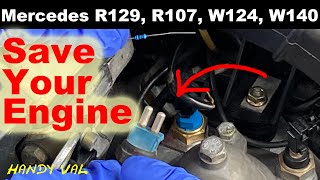
On the M113 V8 engine used in the SL500, the ECT sensor is typically located at the front of the engine, near the thermostat housing. You will likely need to remove the top engine cover to access it. It is held in by a small clip and has an electrical connector attached.
🎬 See this walkthrough for replacing the sensor on M113 enginesCan I replace the ECT sensor myself?
Yes, this is a very DIY-friendly job for most home mechanics. It requires basic tools and can usually be completed in under an hour. The key is to work on a cold engine to avoid burns and minimize coolant loss. A small amount of coolant will leak out when the old sensor is removed, so have the new sensor ready to install quickly.
What happens if I don't replace a bad sensor?
Ignoring a faulty ECT sensor can lead to persistent problems like excessive fuel consumption, black smoke from the exhaust, failed emissions tests, and poor engine performance. In some cases, it can cause the cooling fans to run constantly or not at all, potentially leading to overheating.
🎬 Learn how a bad sensor causes overheating and poor mileageIs a more expensive sensor better?
Not always, but for this part, investing in a quality brand is wise. Cheaper, unproven sensors can provide inaccurate readings, which defeats the purpose of the replacement and can cause the same problems as a failed sensor. Sticking with well-regarded aftermarket brands like Febi, Delphi, or Vemo offers a good balance of price and OEM-level performance.
Helpful Videos

Technical Specifications
OEM Part Numbers: 0005425118 0999053800 0055421017 0085424517 0115425117
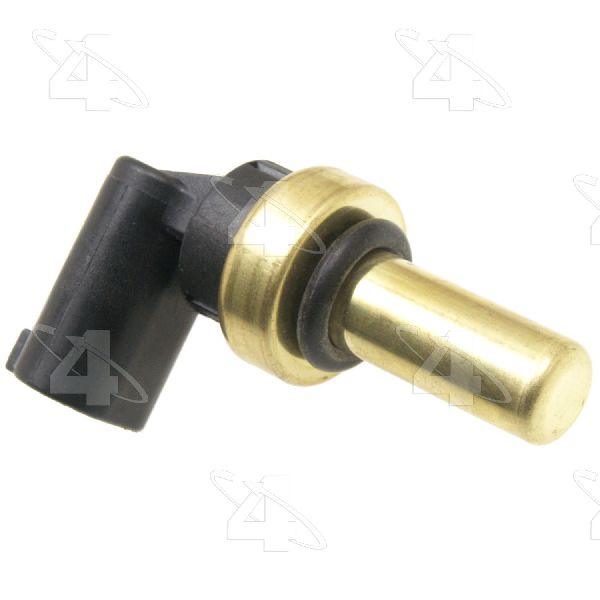
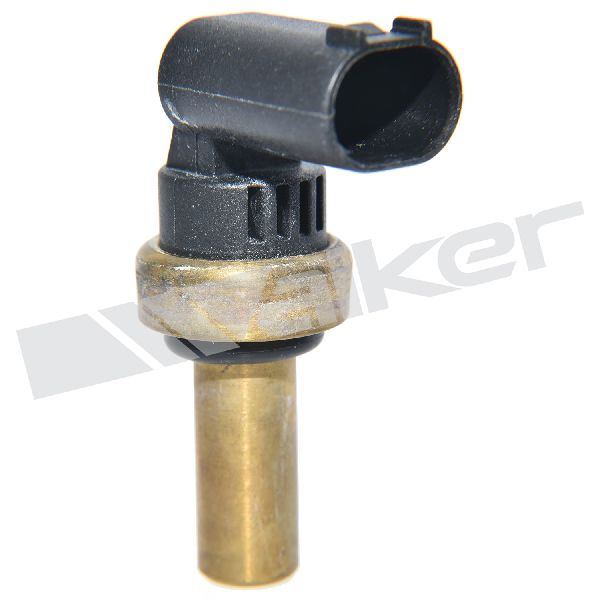
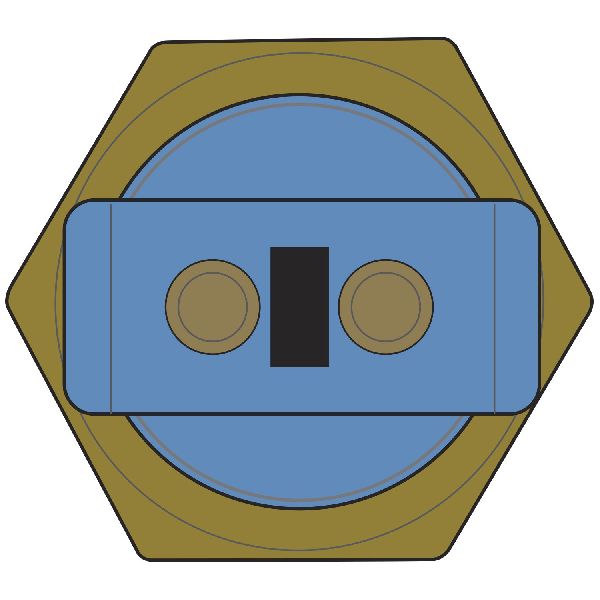
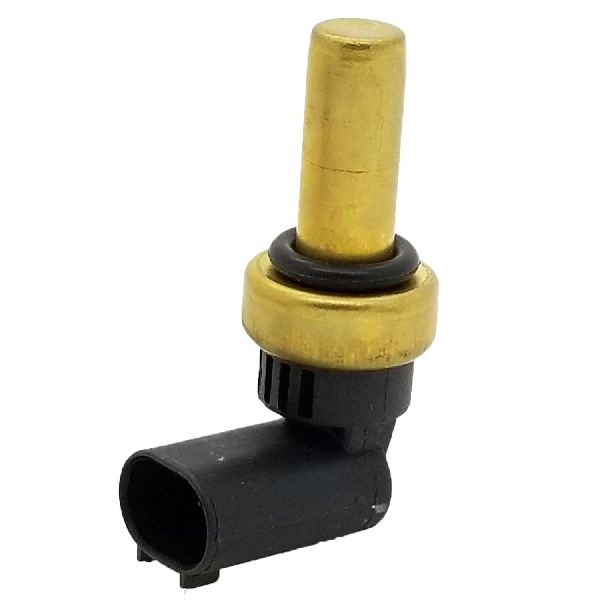
The sensor is a 2-pin thermistor that changes resistance based on coolant temperature. It is typically secured by a clip and sealed with an O-ring.
We Have This Part in Stock


The information in this article is provided for general reference and educational purposes only. Vehicle specifications, procedures, and part compatibility can vary by production date, trim level, and region. Always consult your vehicle's factory service manual and verify part numbers before purchasing or performing repairs. Safety-critical components such as airbags, seat belts, and braking systems should be installed by a qualified professional.
- Mercedes-Benz SL500: