

An Owner's Guide to the Engine Coolant Temperature Sensor for the 1999-2007 Volkswagen Golf
Solve common running problems by understanding this critical, failure-prone sensor in your Mk4 Golf.
- Always choose the updated 'green top' sensor over the original 'black top' design for better reliability.
- A single faulty sensor can cause both poor engine performance and an incorrect dashboard temperature reading.
- Always replace the small o-ring and plastic retaining clip when changing the sensor to prevent leaks.
- For best results, choose an OEM supplier brand like Hella, Febi, or Vemo.
Is Your Golf Running Rough? It Could Be This Sensor.
The engine coolant temperature sensor is a known weak point on the 1999-2007 (Mk4) Volkswagen Golf. When it fails, it sends incorrect information to the engine's computer, leading to a variety of noticeable problems. Because this sensor is responsible for both engine management and the dashboard gauge, a failure can cause confusing symptoms. Fortunately, it's an inexpensive and relatively easy part to replace.
Symptoms of a Failing Coolant Temperature Sensor
A bad sensor can make your car act in strange ways. Here are the most common signs:
- Check Engine Light: This is often the first sign. The ECU detects a signal from the sensor that is out of range and triggers a fault code.
- Poor Fuel Economy: If the sensor wrongly tells the ECU the engine is cold, the computer will enrich the fuel mixture, wasting gas.
- Black Smoke from Exhaust: A very rich fuel mixture can result in unburned fuel exiting through the exhaust as black smoke.
- Engine Overheating: If the sensor fails to tell the ECU that the engine is hot, the cooling fans may not turn on when needed, especially in traffic.
- Hard Starting or Stalling: The engine needs a specific fuel mixture to start smoothly, especially when cold. Incorrect temperature data can cause stalling or difficulty starting.
- Erratic Temp Gauge: The needle on your dashboard's temperature gauge might swing back and forth, read too high or too low, or not move at all.
A Critical Update: Black vs. Green Sensors
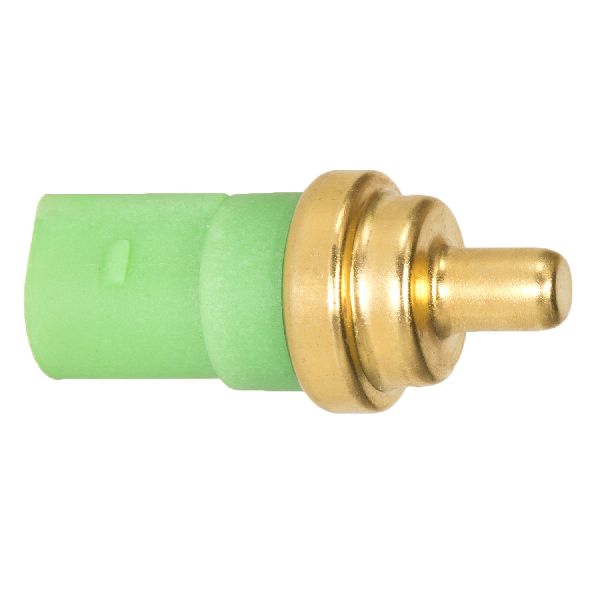
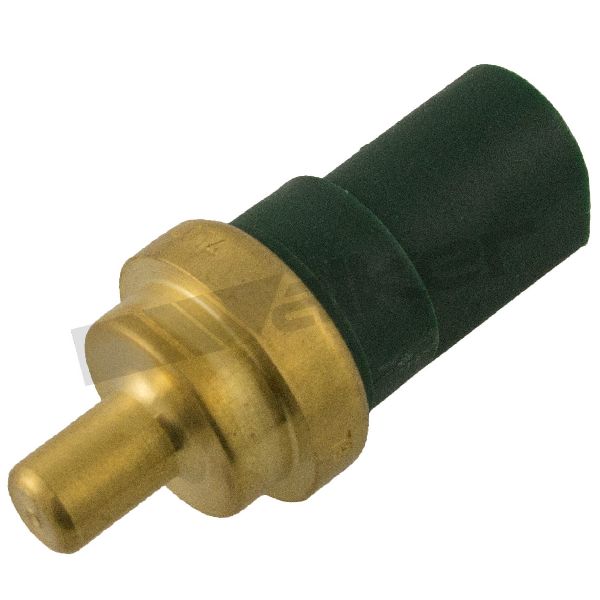
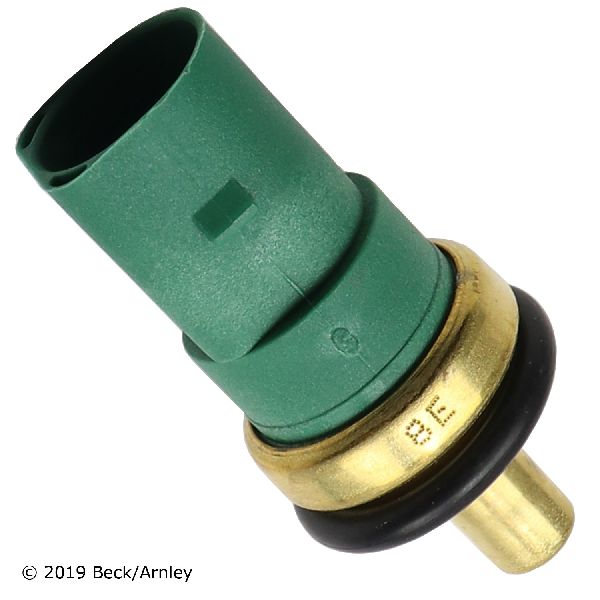
Volkswagen originally fitted these Golf models with a black coolant temperature sensor that was known for a high failure rate. The updated, more reliable replacement part is green. If your car still has the original black sensor, it's wise to replace it with a new green one, even if it hasn't failed yet. When shopping, always choose the green-top sensor.
Choosing the Right Aftermarket Sensor
You don't need to buy a sensor from the dealership to get a quality part. Many aftermarket brands are the original equipment manufacturers (OEMs) for Volkswagen. Here’s how to choose:
- Tier 1: OEM Supplier Brands. Brands like Hella, Vemo, Febi, and CRP are known to supply parts directly to Volkswagen. Choosing one of these is like buying the genuine part without the dealership markup. They offer the best fit and longest life.
- Tier 2: Reputable Aftermarket Brands. Companies like Delphi, Bosch, NGK, and Standard Ignition (SMP) have a strong reputation for producing reliable electronic components that meet or exceed OEM specifications. These are a solid, trustworthy choice.
- Tier 3: Budget Brands. While brands like Motorad or Facet are more affordable, their long-term reliability can be inconsistent for sensitive electronics. Given the low cost of even a Tier 1 sensor and the important job it does, it's recommended to invest in a better-quality brand.
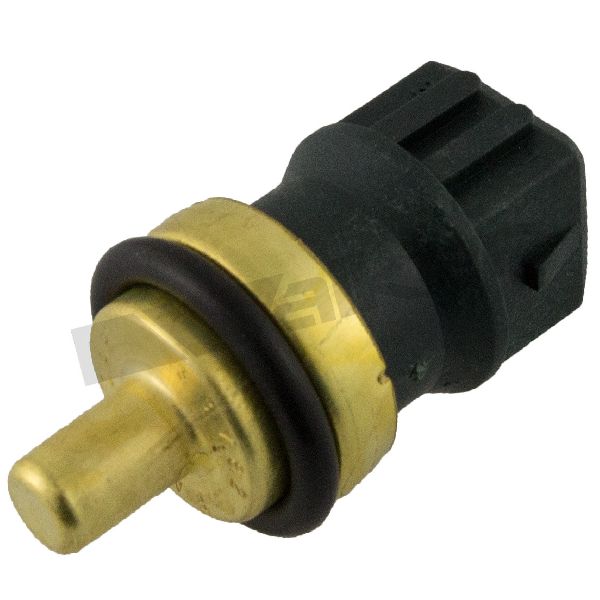
Pro Tip: Always get a new o-ring and retaining clip with your sensor. Most quality aftermarket sensors include these in the box. The old plastic clip is often brittle and will break during removal.
Typical Replacement Costs
The cost to replace the coolant temperature sensor is very reasonable, especially if you do it yourself.
| Part Type | Price Range |
|---|---|
| New Aftermarket | $13.91 - $56.43 |
| New OEM (Dealer) | $60 - $100 |
| Shop Labor | $100 - $180 |
Frequently Asked Questions
Can I replace the coolant temperature sensor myself?
Yes, this is a very DIY-friendly job for most home mechanics. It requires basic tools and patience. The sensor is located on a coolant flange on the side of the engine, held in by a simple clip. The main challenges are working in a tight space and being prepared for a small amount of coolant to spill when you pull the old sensor out. The entire job usually takes less than an hour.
What happens if I ignore a bad sensor?
Continuing to drive with a faulty sensor is not recommended. It can lead to persistent poor fuel economy, increased emissions, and stalling. The most serious risk is engine overheating if the sensor fails to trigger the cooling fans, which can cause severe and expensive engine damage.
Why are there different colored sensors?
The color indicates the design version of the sensor. The original black sensors in the Mk4 Golf were prone to failure. Volkswagen released an updated, more durable design which is green. You should always replace a black or failed green sensor with a new green one.
Is the sensor for the gauge and the ECU the same part?
Yes. On the 1999-2007 Golf, the 4-pin coolant temperature sensor sends two separate signals from one body: one signal goes to the ECU for engine calculations, and the other goes to the instrument cluster for the temperature gauge. This is why a single failed part can cause both running issues and a dead or erratic gauge.
Technical Specifications
OEM Part Numbers: 059919501A 06A919501A 078919501C
4-Pin Connector, Green Body, Includes O-Ring and Retaining Clip
We Have This Part in Stock


The information in this article is provided for general reference and educational purposes only. Vehicle specifications, procedures, and part compatibility can vary by production date, trim level, and region. Always consult your vehicle's factory service manual and verify part numbers before purchasing or performing repairs. Safety-critical components such as airbags, seat belts, and braking systems should be installed by a qualified professional.
- Volkswagen Golf: