

Volkswagen Golf Manifold Absolute Pressure (MAP) Sensor Guide (1999-2007)
Is your Golf running rough, losing power, or burning too much fuel? Your MAP sensor might be the problem.
- A bad MAP sensor will almost always trigger a Check Engine Light, most commonly with code P0106.
- Before replacing the sensor, check for oil contamination from a bad PCV valve and inspect the wiring harness for damage, as these are common failure points on VWs.
- Replacement is a very simple DIY job that requires only basic tools and can be done in under 30 minutes.
- For best results and to avoid further issues, using a high-quality OEM-equivalent brand like Bosch is strongly recommended by enthusiasts.
Is Your Golf's MAP Sensor Failing?
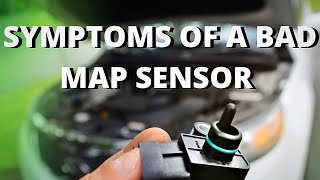
A faulty Manifold Absolute Pressure (MAP) sensor can cause a variety of frustrating engine problems. 🎬 Watch: Common symptoms of a failing MAP sensor explained. Because it provides critical data for the air-fuel mixture, a bad sensor can make your 1999-2007 Volkswagen Golf run poorly. The Check Engine Light is often the first sign, and a code scan will frequently show a P0106 trouble code, which points to a problem with the sensor's performance or range.
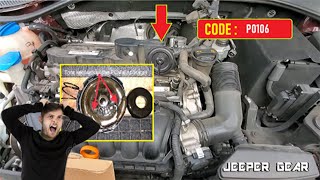
🎬 See how to diagnose and fix a P0106 trouble code.A Note on VW MAP Sensor Issues
On the MK4 and early MK5 Golf, a MAP sensor fault code (like P0106) doesn't always mean the sensor itself has failed. Two other issues are very common:
- Oil Contamination: A failing PCV (Positive Crankcase Ventilation) valve can allow oil to get into the intake manifold, coating the MAP sensor. This oil residue prevents the sensor from reading pressure correctly.
- Wiring Problems: The wiring harness leading to the MAP sensor can become brittle and break, or the connector can be damaged, causing an intermittent or total loss of signal.
Before replacing the sensor, it's wise to inspect it for oil contamination and check the wiring for any visible damage.
Choosing the Right Aftermarket MAP Sensor
When replacing sensitive electronics on your Volkswagen, the brand you choose matters. While many aftermarket options are available, their quality and calibration can vary significantly.
- Premium Aftermarket (e.g., Vemo): Brands like Vemo often position themselves as producing parts to OE (Original Equipment) standards. They aim to offer a balance of quality and value, making them a potentially reliable choice. However, some VW enthusiasts report that for critical sensors, nothing beats the original manufacturer.
- Standard Aftermarket (e.g., Facet, Standard Ignition): These are established brands that produce a wide range of automotive parts. Facet promotes its parts as being built for reliability, while Standard Ignition is a long-standing name in the industry. For less critical parts they can be a good value, but for a sensor that directly controls your engine's behavior, quality can sometimes be inconsistent compared to an OEM part.
Pro Tip: Many experienced VW owners and mechanics recommend using an OEM-equivalent sensor (like Bosch, the original supplier) for critical electronics like the MAP sensor. This reduces the risk of calibration issues that can cause persistent running problems even after the part is replaced.
MAP Sensor Replacement Cost for 1999-2007 VW Golf
The cost to replace a MAP sensor is relatively low, as the part itself is not overly expensive and the labor involved is minimal.
| Part Type | Estimated Part Cost | Notes |
|---|---|---|
| New OEM (Genuine VW/Bosch) | $99 - $150 | Most recommended for reliability and correct calibration. |
| New Aftermarket | $41.59 - $137.89 | Price varies by brand; quality can be inconsistent. |
| Shop Labor | $50 - $100 | Typically takes less than 30 minutes. |
Frequently Asked Questions
Where is the MAP sensor located on my VW Golf?
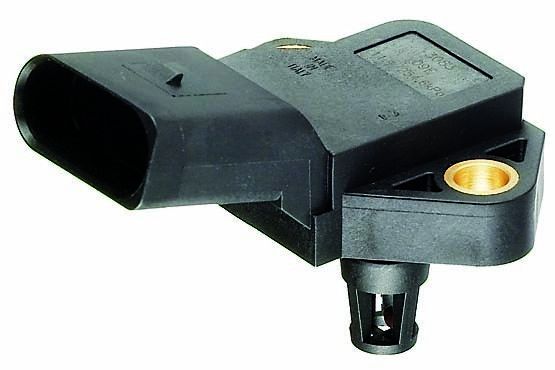
The MAP sensor is typically mounted directly on the intake manifold or, on turbocharged models, on the charge pipe leading from the intercooler to the manifold. It is a small, black plastic sensor held in place by one or two screws and has an electrical connector attached.
Can I clean a MAP sensor?
Some owners attempt to clean an oil-fouled MAP sensor with an electronics-safe cleaner. While this can sometimes temporarily restore function, it is often not a permanent fix. If the internal electronics are damaged or oil contamination is due to a bad PCV valve, the problem will return. Replacement is the most reliable solution.
Is replacing the MAP sensor a DIY job?
Yes, this is a very beginner-friendly DIY task. The sensor is usually easy to access and is only held by a single T25 or T30 Torx screw and an electrical clip. The entire job can often be completed in 10-15 minutes with basic tools.
What is the difference between a MAP and a MAF sensor?
Your Golf has both. The Mass Air Flow (MAF) sensor measures the volume and density of air entering the engine right after the air filter. The Manifold Absolute Pressure (MAP) sensor measures the pressure (or vacuum) inside the intake manifold, after the throttle body. Both provide data to the ECU to calculate the correct air-fuel ratio, 🎬 Learn more about how the MAP sensor affects engine performance. but they measure different things at different points in the intake system.
Helpful Videos

Technical Specifications
OEM Part Numbers: 03C906051F 038906051C 0281002401 036906051G
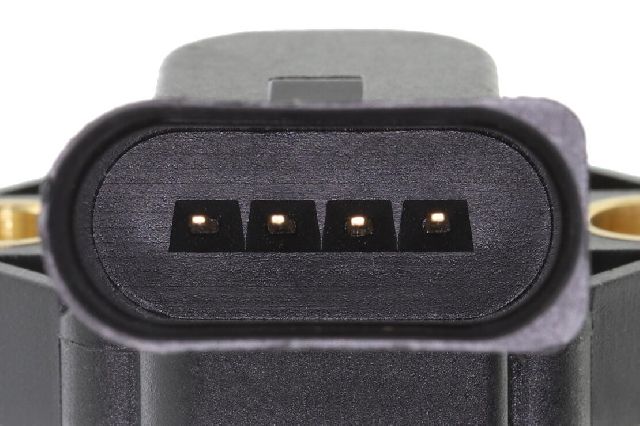
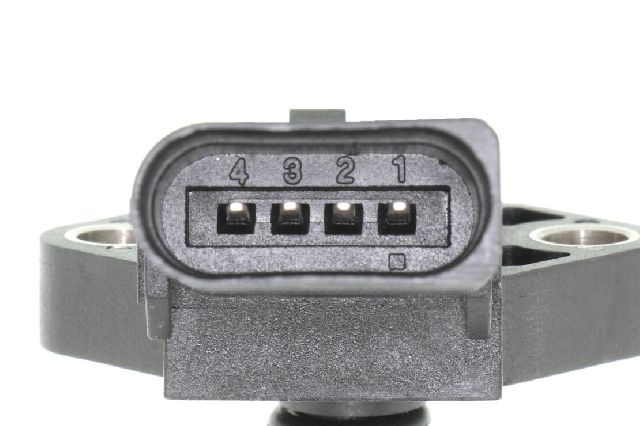
Typically a 3-pin or 4-pin electronic sensor that mounts to the intake manifold or charge pipe.
We Have This Part in Stock


The information in this article is provided for general reference and educational purposes only. Vehicle specifications, procedures, and part compatibility can vary by production date, trim level, and region. Always consult your vehicle's factory service manual and verify part numbers before purchasing or performing repairs. Safety-critical components such as airbags, seat belts, and braking systems should be installed by a qualified professional.
- Volkswagen Golf: