

A Practical Guide to Replacing Oxygen Sensors on the 1999-2008 Suzuki Grand Vitara
Fix your check engine light and restore fuel economy by choosing the right oxygen sensor for your V6 or 4-cylinder engine.
- Choose a direct-fit oxygen sensor from an OEM-equivalent brand like Denso or NGK/NTK for the best reliability on your Grand Vitara.
- Before ordering, you must identify the exact location of the failed sensor (e.g., Bank 1 Sensor 1, Bank 2 Sensor 2).
- A special oxygen sensor socket is essential for removal and installation; old sensors are often seized and difficult to remove.
- Do not ignore a failing O2 sensor, as it will decrease fuel economy, cause a failed emissions test, and can lead to costly catalytic converter damage.
Is Your Grand Vitara's Oxygen Sensor Failing?

When an oxygen sensor starts to wear out, it sends slow or incorrect signals to the engine's computer. This can lead to a range of problems, from annoying to serious. Ignoring these symptoms can eventually cause expensive damage to your catalytic converter, a repair that can cost over $1,000.
Key Symptoms of a Bad O2 Sensor:
- Check Engine Light: This is the most common sign. Codes like P0130, P0134, P0135, or P0420 often point to a sensor issue.
- Poor Fuel Economy: The engine may run too rich, using more fuel than necessary.
- Rough Idle or Engine Hesitation: An imbalanced air-fuel mixture can cause the engine to run poorly, stall, or hesitate during acceleration.
- Failed Emissions Test: A bad O2 sensor directly leads to higher emissions, which will cause a failed smog check.
- Rotten Egg Smell: A rich-running condition can overload the catalytic converter, producing a sulfur-like smell from the exhaust.
Vehicle-Specific Issue: Fuel Pressure Regulator Recall
A safety recall was issued for 1999-2003 Grand Vitara models for a fuel pressure regulator that could fail in extremely cold weather. While not an O2 sensor recall, the documents note that related catalytic converter damage from running with failed O2 sensors may not be covered under warranty, highlighting the importance of replacing faulty sensors promptly.
Choosing the Right Aftermarket Oxygen Sensor

Not all aftermarket sensors are created equal. For your Suzuki, using a direct-fit sensor from a reputable brand is highly recommended to avoid compatibility issues. Universal sensors, which require cutting and splicing wires, can be a source of future problems.
Brand Quality Tiers for Grand Vitara
- Tier 1: OEM-Equivalent Brands (Denso, NGK/NTK): Denso and NGK (which makes NTK sensors) are the original equipment suppliers for many Japanese vehicles, including Suzuki. Choosing a direct-fit sensor from one of these brands is the safest bet for guaranteed compatibility and performance.
- Tier 2: Reputable Aftermarket Brands (Bosch, Delphi): Bosch invented the modern oxygen sensor and is a trusted name. While their quality is generally high, some owners of Japanese vehicles report better long-term success with Denso or NGK. Delphi is another established brand offering reliable replacement parts.
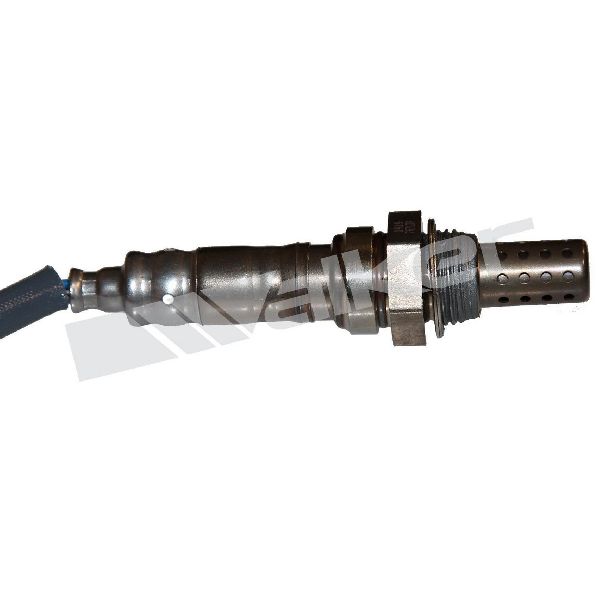
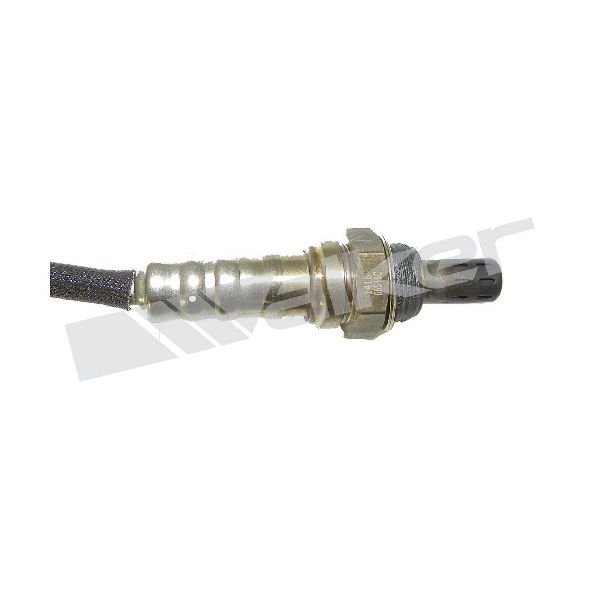
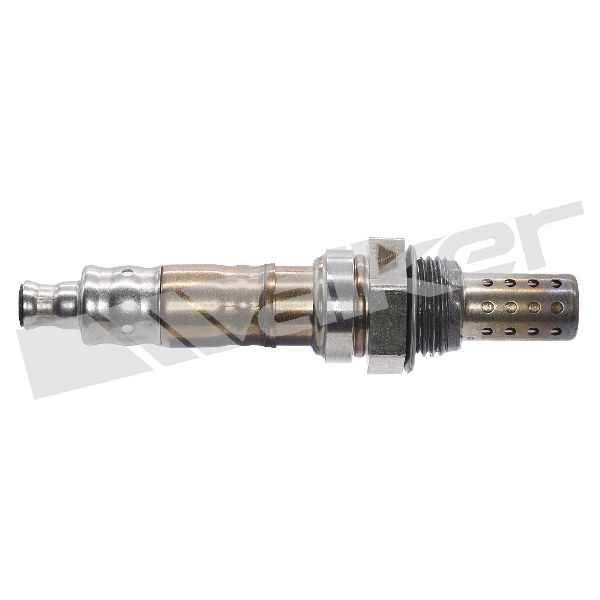
- Tier 3: Value Brands (Walker, Spectra, DriveWire): These brands offer a more budget-friendly option. They can be a good choice if cost is the primary concern, but ensure you are buying a direct-fit model, not a universal one, to avoid installation headaches.
Upstream vs. Downstream & Bank 1 vs. Bank 2
Your Grand Vitara has multiple O2 sensors. It's critical to buy the correct one. Upstream (Sensor 1) is before the catalytic converter and affects fuel trim. Downstream (Sensor 2) is after the converter and monitors its efficiency. If you have a V6 engine, you have two sets of these sensors: Bank 1 is on the side of the engine with cylinder #1 (typically the passenger side on a Grand Vitara), and Bank 2 is on the driver's side. Always confirm the location of the failed sensor before ordering.
Expected Replacement Costs
The cost can vary depending on the brand you choose and whether you do the work yourself or hire a professional.
| Part/Service | Estimated Cost |
|---|---|
| New Aftermarket Oxygen Sensor | $25 - $278 |
| Shop Labor | $75 - $150 |
| Total Professional Replacement | $100 - $428 |
Frequently Asked Questions

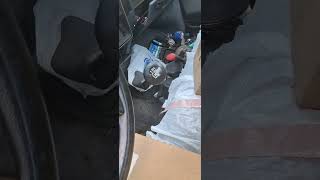
How many oxygen sensors does my 1999-2008 Grand Vitara have? 🎬 Watch: A quick look at O2 sensor locations on a Grand Vitara.
4-cylinder engines typically have two sensors (one upstream, one downstream). V6 engines (2.5L, 2.7L) have four sensors (an upstream and downstream sensor for each engine bank).
Can I replace just one oxygen sensor?
Yes, you only need to replace the sensor that has failed. However, O2 sensors tend to have a similar lifespan, so if one fails, another may not be far behind.
Is replacing an O2 sensor a difficult DIY job?
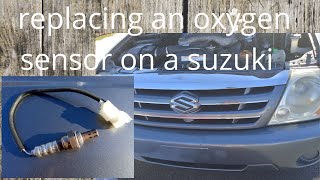
The difficulty ranges from easy to very hard. If the old sensor is not seized in the exhaust pipe, it's a straightforward job requiring a special O2 sensor socket. 🎬 Watch: A general guide on how to replace an oxygen sensor. However, sensors are often rusted in place and can be extremely difficult to remove without the right tools and leverage. Access can also be very tight, especially on the V6 models.
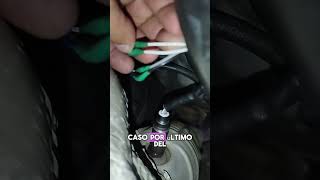
🎬 See this step-by-step replacement guide for Suzuki V6 engines.Can I clean my old oxygen sensor?
While some methods exist for cleaning a sensor, it is generally not a reliable or long-term solution. The internal sensing elements degrade over time, and cleaning the exterior will not restore their function. Replacement is the only guaranteed fix.
Helpful Videos
Technical Specifications
OEM Part Numbers: 18213-65D31 18213-78K00 18213-65J00 18213-56B00
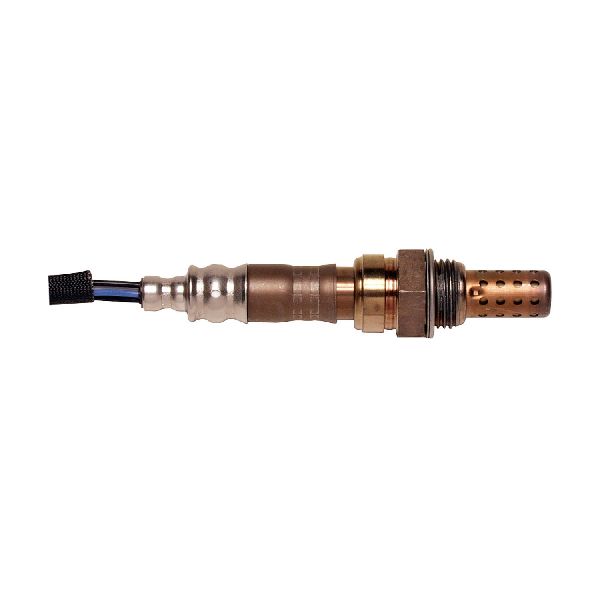
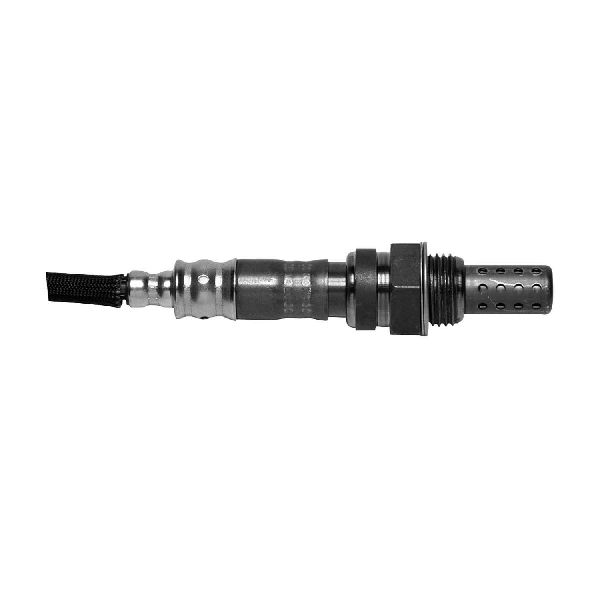
Your Grand Vitara uses heated, 4-wire or 5-wire (wideband) oxygen sensors. The number of sensors depends on the engine: two for 4-cylinder models and four for V6 models. Always verify the part by vehicle year and engine size.
We Have This Part in Stock


The information in this article is provided for general reference and educational purposes only. Vehicle specifications, procedures, and part compatibility can vary by production date, trim level, and region. Always consult your vehicle's factory service manual and verify part numbers before purchasing or performing repairs. Safety-critical components such as airbags, seat belts, and braking systems should be installed by a qualified professional.
- Suzuki Grand Vitara:
- 🎬 Helpful Videos
- 🛍️ Shop This Part
- Is Your Grand Vitara's Oxygen Sensor Failing?
- Key Symptoms of a Bad O2 Sensor:
- Vehicle-Specific Issue: Fuel Pressure Regulator Recall
- Choosing the Right Aftermarket Oxygen Sensor
- Brand Quality Tiers for Grand Vitara
- Upstream vs. Downstream & Bank 1 vs. Bank 2
- Expected Replacement Costs
- Frequently Asked Questions
- 🎟️ Get 5% Off