

A Toyota Corolla Owner's Guide to Replacing Oxygen Sensors (1999-2008)
Your guide to fixing check engine lights and poor gas mileage caused by a failing O2 sensor.
- Denso is the original equipment (OEM) brand for your Corolla; choosing a Denso or NTK sensor is the most reliable option.
- A check engine light with codes P0135 (upstream) or P0141 (downstream) almost always means you need a new oxygen sensor.
- Use a code scanner to identify which sensor is bad (upstream or downstream) before purchasing a replacement part.
- Ignoring a bad O2 sensor can lead to poor performance and eventual damage to the much more expensive catalytic converter.
Is Your Corolla's Oxygen Sensor Failing?

Oxygen sensors don't last forever. They live in a harsh environment of extreme heat and exhaust fumes, and they eventually wear out. When they fail, your car's computer gets bad information, leading to noticeable problems. Ignoring a bad O2 sensor can lead to more expensive repairs down the road, like a damaged catalytic converter.
Key Symptoms of a Bad O2 Sensor:
- Check Engine Light: This is the most common sign. A code reader will often show codes like P0135, P0141, or P0420.
- Worse Gas Mileage: The engine's computer may default to a rich fuel mixture, making you fill up your tank more often.
- Rough Engine Performance: You might notice a rough idle, hesitation when you accelerate, or a general lack of power.
- Rotten Egg or Gas Smell: A strong smell of sulfur or unburned gasoline from the exhaust can point to a bad sensor causing an incorrect fuel mixture.
- Failed Emissions Test: A faulty O2 sensor is a frequent reason for failing a smog check.
Choosing the Right Aftermarket Oxygen Sensor

When shopping for a replacement, you'll find many brands. For a Toyota, the brand you choose matters. The original factory (OEM) sensor in your Corolla was most likely made by Denso.
Pro Tip: Upstream vs. Downstream
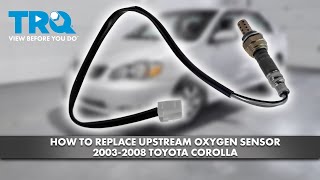
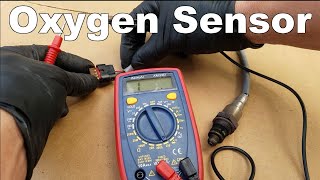
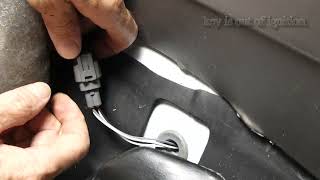
Your Corolla has two main oxygen sensors. The upstream sensor (Bank 1, Sensor 1) is on the exhaust manifold and is critical for fuel control. 🎬 Watch: Step-by-step guide to replacing your upstream oxygen sensor. The downstream sensor (Bank 1, Sensor 2) is after the catalytic converter and mainly monitors emissions. Always use a code scanner to confirm which sensor has failed before buying a replacement.
Aftermarket Brand Tiers for 1999-2008 Corolla
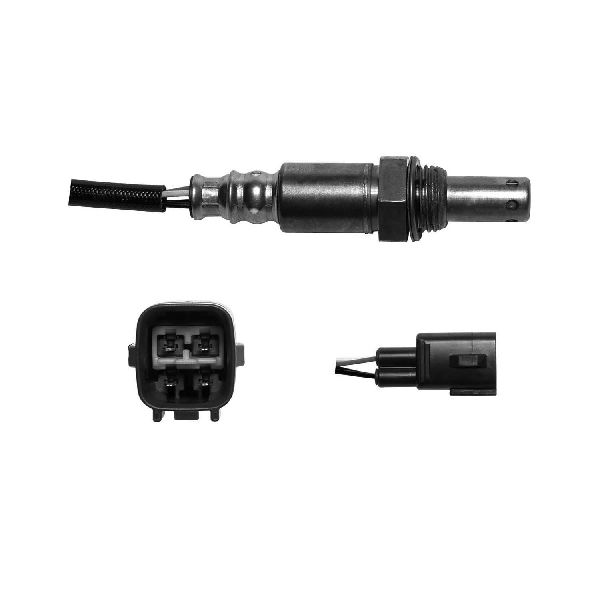
- Tier 1 (OEM or Better): Denso, NGK/NTK
These brands are original equipment suppliers to Toyota and other Japanese automakers. Choosing a Denso or NTK sensor is the safest bet for a direct-fit replacement that will work correctly without causing new issues. Forum members strongly recommend sticking with Denso to avoid problems. - Tier 2 (Reputable Aftermarket): Bosch, Delphi
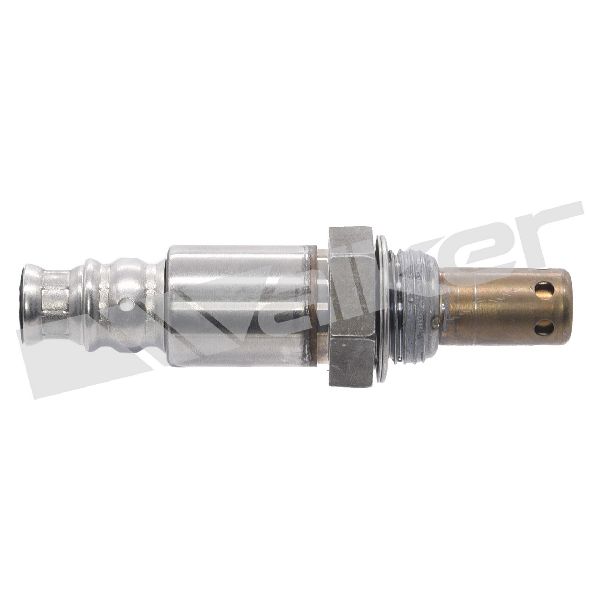
Bosch is a major manufacturer of high-quality sensors. However, some Toyota owners have reported compatibility issues where a Bosch sensor continued to throw a check engine light, which was only resolved by switching to a Denso. While often a good brand, it may not be the best first choice for this specific vehicle. - Tier 3 (Value Brands): Walker Products, DriveWire, Spectra
These brands offer a more budget-friendly option. However, be cautious with very cheap, unbranded, or "universal" sensors. Some owners report that these parts can fail quickly or cause new, different error codes, forcing you to do the job twice. A direct-fit sensor from a known brand is usually worth the small extra cost.
How Much Does a Replacement Oxygen Sensor Cost?
The cost depends on the brand you choose and whether you do the work yourself. Replacing an O2 sensor is a common DIY job for those with basic tools.
| Part Type | Estimated Cost |
|---|---|
| New Aftermarket Sensor | $27 - $265 |
| New OEM (Dealer) Sensor | $354 - $383 |
| Shop Labor | $136 - $200 |
| Total Professional Replacement | $490 - $583 (OEM Part + Labor) |
Known Issues: No Recalls or TSBs Found
Our search of the National Highway Traffic Safety Administration (NHTSA) database and technical service bulletins (TSBs) found no specific recalls or widespread issues for the exhaust oxygen sensors on the 1999-2008 Toyota Corolla. Failures are typically due to normal wear and tear.
Frequently Asked Questions (FAQ)


Can I drive my Corolla with a bad oxygen sensor?
Yes, you can usually drive the car, but you should get it fixed as soon as possible. Continuing to drive can cause poor fuel economy, higher emissions, and may eventually damage your expensive catalytic converter.
What tools do I need to replace an O2 sensor?
The most important tool is a special oxygen sensor socket, which is a 22mm socket with a slot cut out for the wire. You will also likely need a ratchet, an extension, and some penetrating oil to help loosen a sensor that is stuck in the exhaust pipe. For the downstream sensor, you will need a jack and jack stands to safely get under the car.
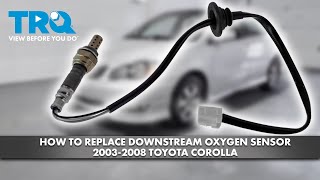
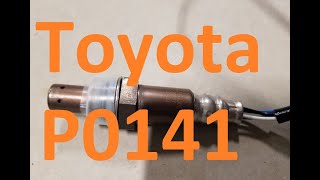
🎬 See this walkthrough for replacing the downstream O2 sensor.What's the difference between a P0135 and a P0141 code?
Both codes point to a problem with the sensor's internal heater circuit, which helps it warm up quickly. A P0135 code is for the upstream sensor (Bank 1, Sensor 1). A P0141 code is for the downstream sensor (Bank 1, Sensor 2). This is the most common failure mode for these sensors.
My car has a P0420 code. Should I replace the oxygen sensor?
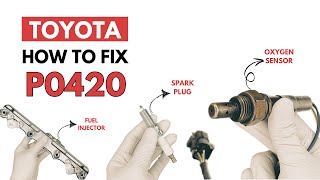
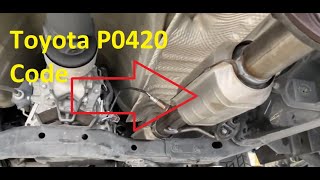
A P0420 code means "Catalyst Efficiency Below Threshold," which often points to a failing catalytic converter. However, a bad downstream O2 sensor can send false readings and trigger this code. Since an O2 sensor is much cheaper than a catalytic converter, it is often recommended to replace the downstream sensor first to see if that resolves the P0420 code.
🎬 Watch: Understanding and fixing the P0420 catalyst efficiency code.Helpful Videos
Technical Specifications
OEM Part Numbers: 89465-02030
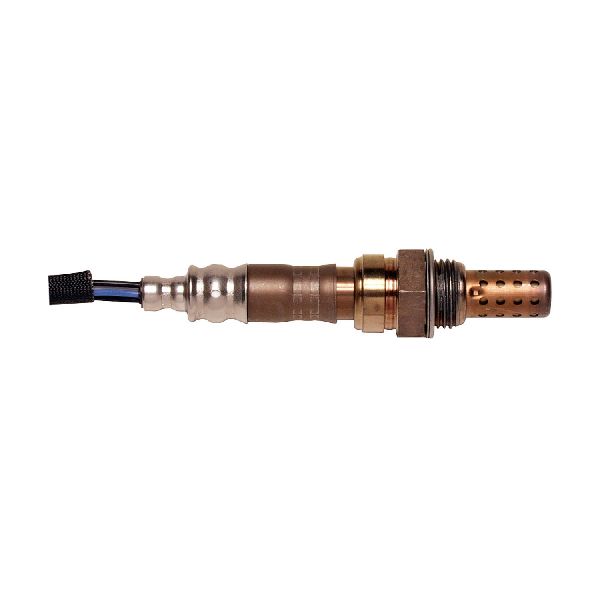
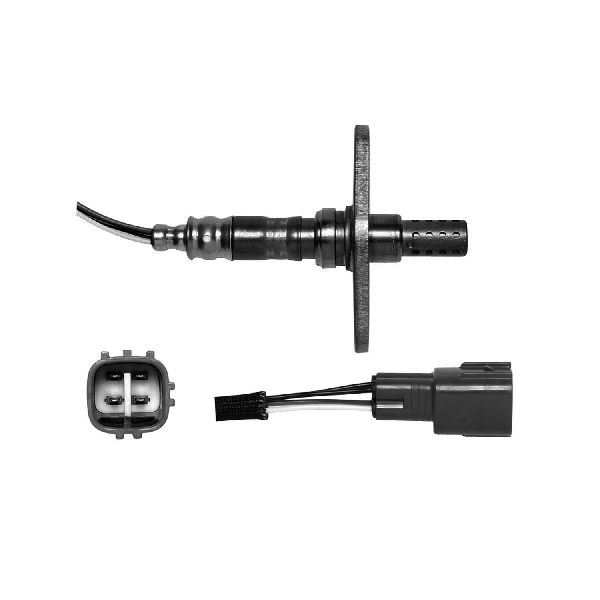
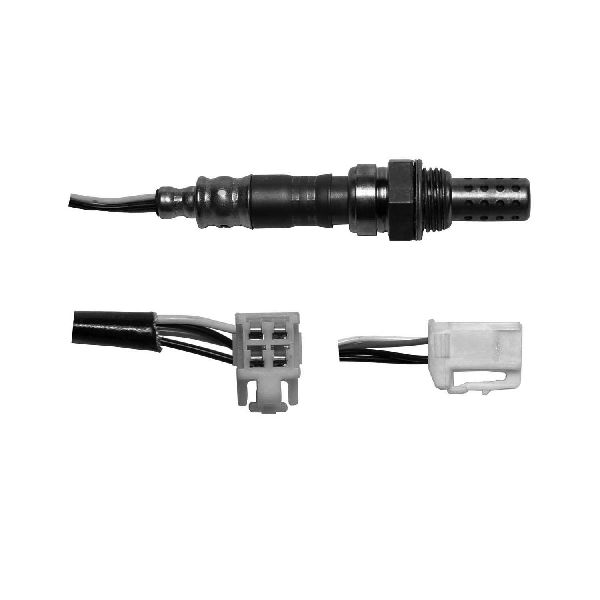
Most 1999-2008 Toyota Corollas use a four-cylinder engine (like the 1.8L 1ZZ-FE) and have two oxygen sensors: one upstream (Bank 1, Sensor 1) and one downstream (Bank 1, Sensor 2). A 22mm oxygen sensor socket is required for removal and installation.
We Have This Part in Stock


The information in this article is provided for general reference and educational purposes only. Vehicle specifications, procedures, and part compatibility can vary by production date, trim level, and region. Always consult your vehicle's factory service manual and verify part numbers before purchasing or performing repairs. Safety-critical components such as airbags, seat belts, and braking systems should be installed by a qualified professional.
- Toyota Corolla:
- 🎬 Helpful Videos
- 🛍️ Shop This Part
- Is Your Corolla's Oxygen Sensor Failing?
- Key Symptoms of a Bad O2 Sensor:
- Choosing the Right Aftermarket Oxygen Sensor
- Pro Tip: Upstream vs. Downstream
- Aftermarket Brand Tiers for 1999-2008 Corolla
- How Much Does a Replacement Oxygen Sensor Cost?
- Known Issues: No Recalls or TSBs Found
- Frequently Asked Questions (FAQ)
- 🎟️ Get 5% Off