

Toyota Solara Ignition Knock Sensor (1999-2008): A Replacement Guide
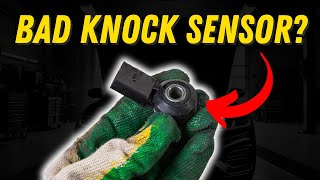
Is your Solara's check engine light on with poor acceleration? Your knock sensor could be the problem.
- For V6 Solaras, the high labor cost makes using a top-tier brand like NGK, Delphi, or an OEM part a wise investment to avoid repeat repairs.
- A bad knock sensor will trigger a Check Engine Light, most commonly with codes P0325 or P0330.
- Replacement on 4-cylinder models is relatively simple, but on V6 models, it is a major job requiring removal of the intake manifold.
- Symptoms of failure include poor acceleration, engine pinging, and worse fuel economy.
Symptoms of a Failing Knock Sensor in a Toyota Solara
A bad knock sensor will almost always trigger the Check Engine Light. The most common codes you'll see with a code reader are P0325 (Knock Sensor 1 Circuit Malfunction) and, for V6 models, P0330 (Knock Sensor 2 Circuit Malfunction). Along with the light, you may notice several performance issues:
- Poor Acceleration: The car may feel sluggish or hesitant, especially when you press the gas pedal firmly.
- Reduced Fuel Economy: Because the engine isn't running efficiently, you may find yourself filling up the gas tank more often.
- Engine Noise: You might hear a metallic pinging or rattling sound from the engine, particularly under load, like when going up a hill.
- Transmission Issues: In some cases, a failed knock sensor can prevent the transmission from shifting into overdrive.
V6 vs. 4-Cylinder: A Critical Difference in Replacement Labor
The most important thing for a 1999-2008 Solara owner to know is the major difference in replacement difficulty between the V6 and 4-cylinder engines.
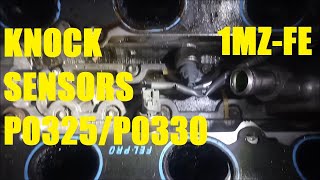
On V6 models (1MZ-FE and 2GR-FE), the two knock sensors are located in the valley of the engine, underneath the entire upper and lower intake manifold assembly. Replacing them is a significant job that takes a mechanic 4-6 hours, as many parts have to be removed to gain access.
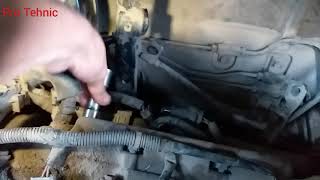
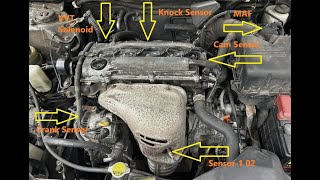
🎬 See the step-by-step replacement process for the Toyota V6 engine.On 4-cylinder models (5S-FE and 2AZ-FE), the single knock sensor is typically located on the back of the engine block, below the intake manifold. 🎬 Locate the knock sensor on a Toyota 2.4L 4-cylinder engine. While still a bit tight to access, it is a much simpler and cheaper repair that doesn't require removing the manifold.
Choosing the Right Aftermarket Knock Sensor
Given the high labor cost for V6 models, choosing a quality replacement part is essential. Using a cheap, unreliable sensor is a huge gamble; if it fails prematurely, you will have to pay for the expensive labor all over again. For this reason, many Toyota specialists recommend using OEM or top-tier aftermarket brands for this specific job.
Aftermarket Brand Tiers for Toyota Solara
- Top Tier (OEM-Equivalent): Brands like NGK (also NTK) and Delphi are often original equipment suppliers to Toyota and other manufacturers. They have a strong reputation for reliability and are the safest aftermarket choice, especially for the V6 engine. Beck Arnley is also a good option as they often re-package genuine OEM parts.
- Reliable Aftermarket: Brands such as Standard Ignition (SMP) and Walker Products offer a good balance of quality and price. They are generally considered dependable for most applications.
- Economy Tier: Brands like URO Parts, Global Parts, and True Tech are budget-friendly options. While tempting on price, they carry a higher risk of premature failure. These might be an acceptable choice for the much easier 4-cylinder job, but are not recommended for the labor-intensive V6 replacement.
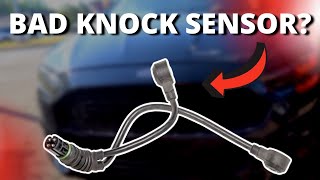
Pro Tip: When replacing the knock sensors on a V6 Solara, it is highly recommended to also replace the short wiring harness that connects them. This harness lives in the same high-heat environment and can become brittle and fail, causing the same error codes. It's a small extra cost that provides significant peace of mind.
Knock Sensor Replacement Cost for Toyota Solara
The cost varies significantly based on whether you have a 4-cylinder or V6 engine. The table below shows estimated costs.
| Part/Service | 4-Cylinder Cost | V6 Cost |
|---|---|---|
| New Aftermarket Part | $38 - $110 | $80 - $168 (for a pair) |
| New OEM Part | $140 - $185 | $275 - $370 (for a pair) |
| Shop Labor | $100 - $200 | $410 - $600+ |
| Total Estimated Cost (Aftermarket) | $138 - $310 | $490 - $768 |
| Total Estimated Cost (OEM) | $240 - $385 | $685 - $970+ |
Frequently Asked Questions (FAQ)
Can I still drive my Solara with a bad knock sensor?
Yes, but it's not recommended for long. The engine's computer will go into a protective "limp mode," reducing power and performance to prevent damage. You should get it repaired as soon as possible to avoid potential long-term engine harm and poor fuel economy.
Why is the V6 knock sensor replacement so expensive?
The cost is almost entirely due to labor. The sensors are buried deep in the engine valley, requiring a mechanic to remove the upper and lower intake manifolds to access them. This is a time-consuming process that can take 4 to 6 hours.
Is it worth using a cheap aftermarket sensor on my V6 Solara?
No, it is strongly discouraged. The potential savings on the part are minimal compared to the high labor cost. If a cheap sensor fails, you will have to pay for the entire 4-6 hour job again. It's better to invest in a high-quality OEM or top-tier aftermarket part from a brand like NGK or Delphi.
Where are the knock sensors located on my Solara?
On V6 engines, there are two sensors located on the engine block, under the lower intake manifold. On 4-cylinder engines, there is one sensor located on the rear of the engine block.
Do I need to replace the wiring harness too?
For V6 models, it is highly recommended. The small harness that connects the two sensors is exposed to the same heat and can become brittle. Replacing it at the same time as the sensors is a smart preventative measure.
Helpful Videos
Technical Specifications
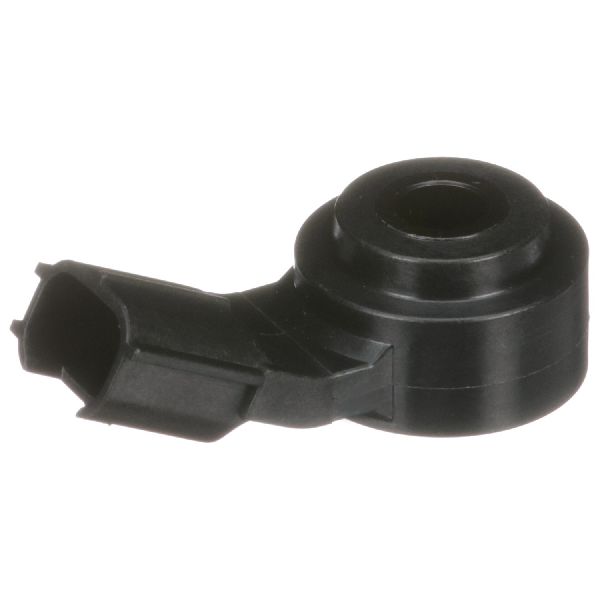
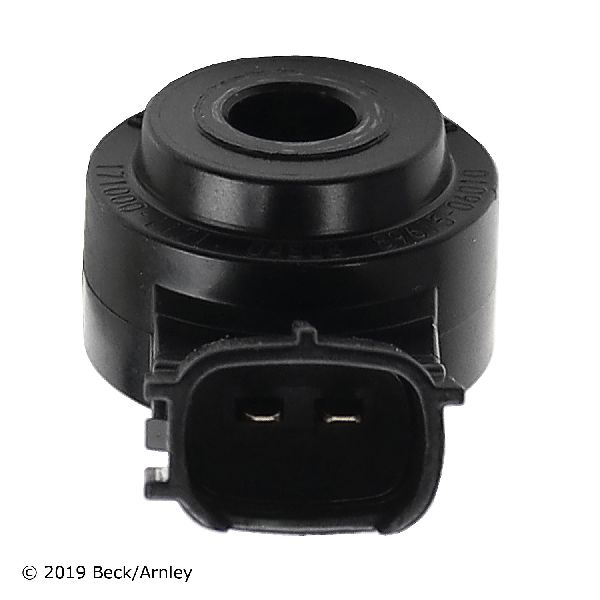
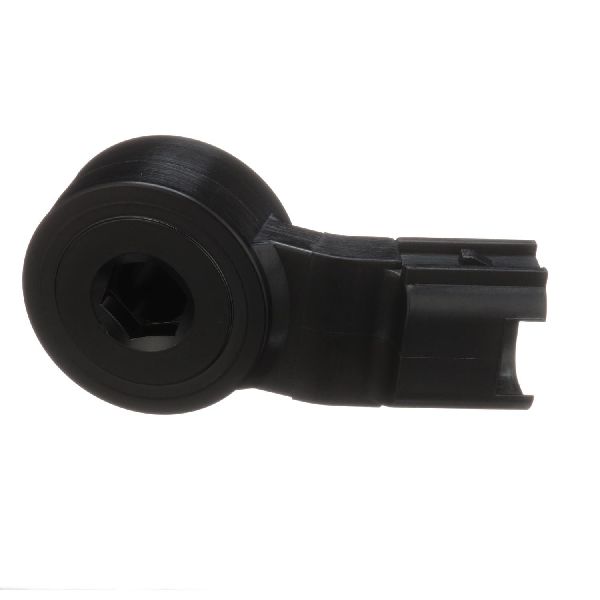
OEM Part Numbers: 89615-12090 89615-06010 89615-20090 89615-12040 89615-32030
The 1999-2003 V6 (1MZ-FE) and 2004-2008 V6 (2GR-FE) engines use two knock sensors. The 1999-2001 4-cylinder (5S-FE) and 2002-2008 4-cylinder (2AZ-FE) use a single knock sensor. The V6 models also use a separate wire harness (P/N ~82219-06010) that should be replaced with the sensors.
We Have This Part in Stock


The information in this article is provided for general reference and educational purposes only. Vehicle specifications, procedures, and part compatibility can vary by production date, trim level, and region. Always consult your vehicle's factory service manual and verify part numbers before purchasing or performing repairs. Safety-critical components such as airbags, seat belts, and braking systems should be installed by a qualified professional.
- Toyota Solara:
- 🎬 Helpful Videos
- 🛍️ Shop This Part
- Symptoms of a Failing Knock Sensor in a Toyota Solara
- V6 vs. 4-Cylinder: A Critical Difference in Replacement Labor
- Choosing the Right Aftermarket Knock Sensor
- Aftermarket Brand Tiers for Toyota Solara
- Knock Sensor Replacement Cost for Toyota Solara
- Frequently Asked Questions (FAQ)
- 🎟️ Get 5% Off