

Toyota Solara Oxygen Sensor Guide: 1999-2008 Replacement
Fix your check engine light and restore performance by choosing the right oxygen sensor for your 1999-2008 Toyota Solara.
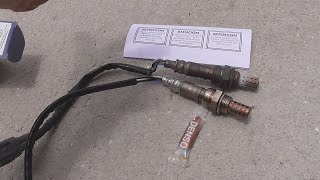
- Denso is the Original Equipment Manufacturer (OEM) for your Solara; using Denso or NTK branded sensors is highly recommended for best results.
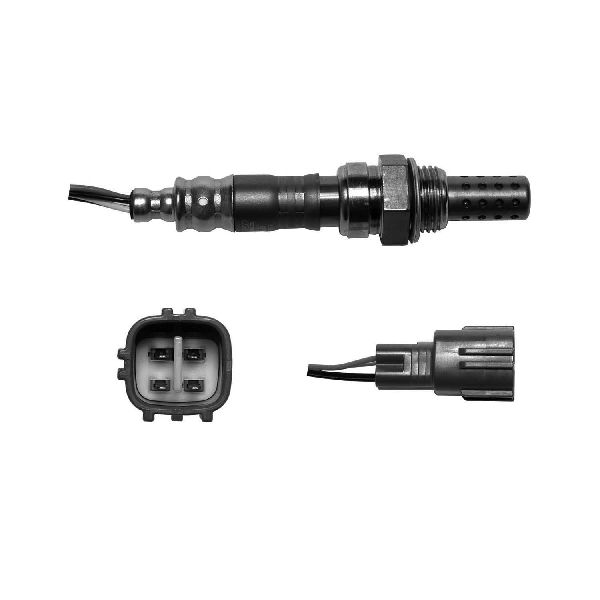
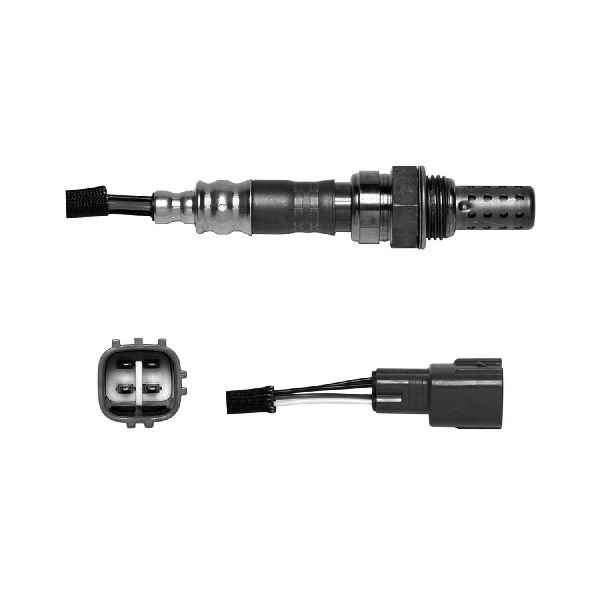
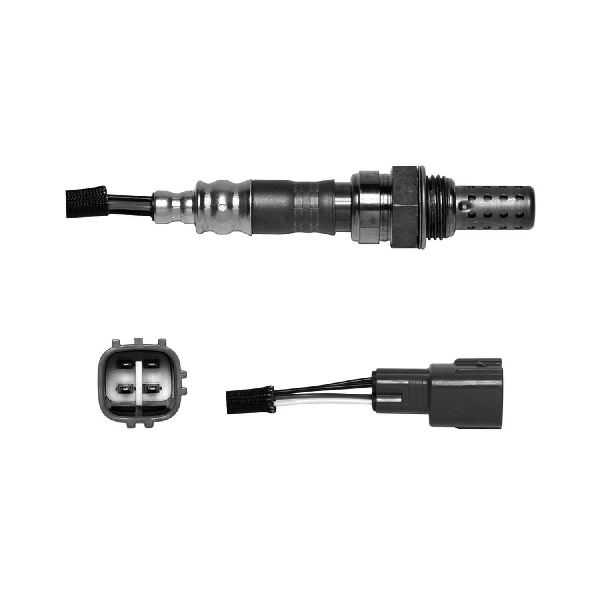
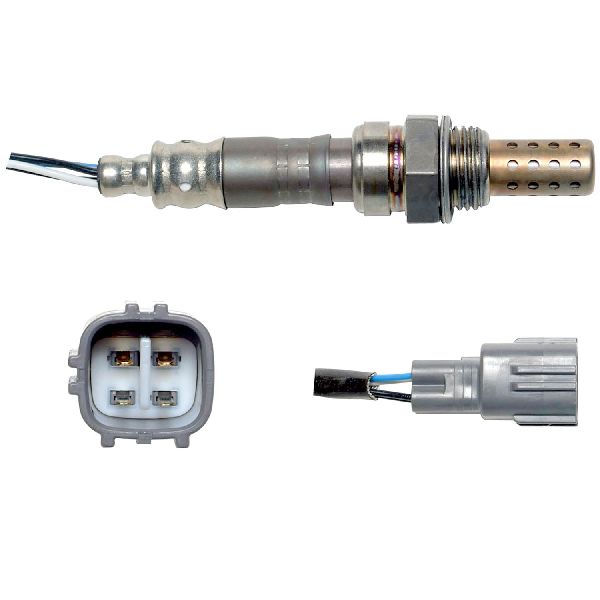
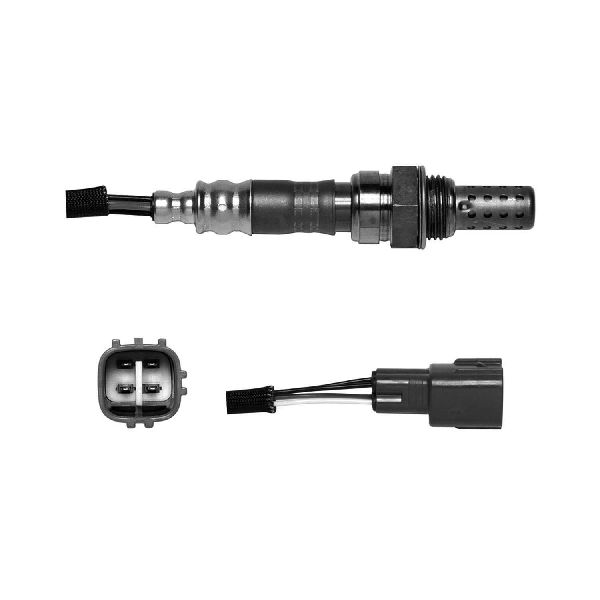
- Always buy a 'direct-fit' sensor with the correct plug; avoid 'universal' sensors that require splicing wires.
- V6 models have four sensors, and Bank 1 (rear bank) can be harder to access than Bank 2 (front bank).
- Ignoring a bad O2 sensor can lead to costly catalytic converter damage over time.
Is Your Solara's Oxygen Sensor Failing?

An oxygen sensor doesn't last forever. Contamination from oil, coolant, or simply age can cause it to fail. When it does, your car's computer receives incorrect data, leading to noticeable problems. Ignoring a bad O2 sensor can lead to more expensive repairs down the road, including damage to your catalytic converter.
Symptoms of a Bad Oxygen Sensor
- Check Engine Light: This is the most common sign. Codes like P0135, P0171, P1130, or others 🎬 Watch this guide to diagnosing and fixing the P0171 code. in the P0130-P0167 range often point to a sensor issue.
- Poor Fuel Economy: Your gas mileage will drop as the engine computer defaults to a rich fuel mixture to be safe.
- Rough Engine Performance: You might experience a rough idle, hesitation when accelerating, engine misfires, or even stalling.
- Rotten Egg Smell: A strong sulfur smell from the exhaust indicates that unburned fuel is overheating the catalytic converter.
- Failed Emissions Test: A faulty O2 sensor is a very common reason for failing a state-mandated emissions test.
Don't Ignore a Failing Sensor
While you can drive with a bad oxygen sensor, it's not recommended. Continuing to drive with a rich fuel mixture can overheat and destroy your catalytic converter, a much more expensive part to replace.
Choosing the Right Aftermarket Oxygen Sensor

Before you buy, you must identify which sensor you need. The number and location of sensors depend on your Solara's engine.
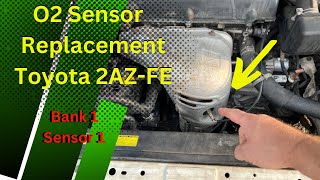
- 4-Cylinder Engines (2.2L & 2.4L): These models have two oxygen sensors. One is an upstream sensor (Bank 1, Sensor 1) located in the exhaust manifold, 🎬 See a walkthrough of the 2.4L Bank 1 Sensor 1 replacement. and the other is a downstream sensor (Bank 1, Sensor 2) located after the catalytic converter.
- V6 Engines (3.0L & 3.3L): These models have four oxygen sensors. There is an upstream and a downstream sensor for each cylinder bank.
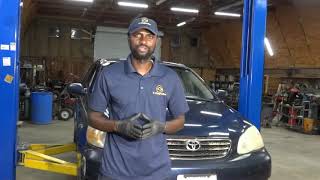
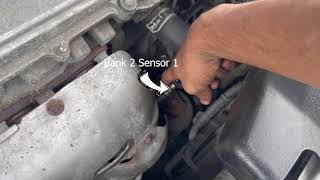
- Bank 1 is the set of cylinders at the rear of the engine bay, against the firewall. Its sensors are Bank 1 Sensor 1 (Upstream) and Bank 1 Sensor 2 (Downstream). Access can be tight. 🎬 Watch a mechanic replace the Bank 1 Sensor 1 on a V6.
- Bank 2 is the set of cylinders at the front of the engine bay. Its sensors are Bank 2 Sensor 1 (Upstream) and Bank 2 Sensor 2 (Downstream).
Pro Tip: Always Use Direct-Fit Sensors
Avoid "universal" oxygen sensors that require you to cut and splice wires. Always choose a "direct-fit" sensor with the correct factory-style electrical connector for your specific Solara model and sensor location. This prevents installation headaches and electrical issues.
Aftermarket Brand Quality Tiers for Toyota Solara
Not all aftermarket brands are created equal. For a sensitive part like an oxygen sensor on a Toyota, brand choice matters.
- OEM / Top Tier (Recommended): Denso and NGK (NTK). Denso is the original equipment manufacturer for Toyota, making it the safest bet for compatibility and longevity. NGK (which markets its sensors under the NTK brand) is also widely regarded as an OEM-quality equivalent and an excellent choice.
- Mid Tier: Bosch. Bosch invented the oxygen sensor and is a massive OE supplier for many European brands. However, for Toyotas, owner feedback is mixed. While many have no issues, some report compatibility problems that don't occur with Denso or NTK. It's a decent option if the top-tier brands aren't available.
- Economy Tier: Walker Products, Spectra, DriveWire, Hella. These brands offer significant cost savings. They can be a viable budget option, but may have a shorter lifespan or a higher chance of being incompatible with your Solara's computer, potentially causing the check engine light to remain on.
| Part Type | Estimated Cost Range |
|---|---|
| New OEM (Denso) | $90 - $250 per sensor |
| New Aftermarket | $25 - $392 per sensor |
| Shop Labor | $75 - $225 |
Cost estimates are for a single sensor and can vary by location, brand, and labor rates. V6 models require up to four sensors.
Frequently Asked Questions

How many oxygen sensors does my Toyota Solara have?
If you have a 4-cylinder engine, you have two sensors. If you have a V6 engine, you have four sensors.
What's the difference between an upstream and downstream sensor?
The upstream sensor (also called Sensor 1 or an Air/Fuel Ratio Sensor) is located before the catalytic converter and is the primary sensor for controlling the engine's air-fuel mix. The downstream sensor (Sensor 2) is located after the catalytic converter and its main job is to monitor the converter's health.
Can I clean my old oxygen sensor?
While some attempt to clean O2 sensors, it is not a reliable or recommended fix. The sensing element fails internally from age and contamination, which cleaning cannot reverse. Replacement is the only proper solution.
Is replacing an O2 sensor a DIY job?
Yes, for those with some mechanical experience. The main difficulty is removing the old sensor, which can be seized in the exhaust pipe. Using plenty of penetrating oil and a special O2 sensor socket (a 22mm or 7/8" slotted socket) is essential. Always let the exhaust cool completely before starting.
Were there any recalls for the Solara oxygen sensor?
No, there have been no specific recalls from Toyota or the NHTSA for the engine oxygen sensors on the 1999-2008 Toyota Solara. Failures are typically due to normal wear and tear.
Helpful Videos
Technical Specifications
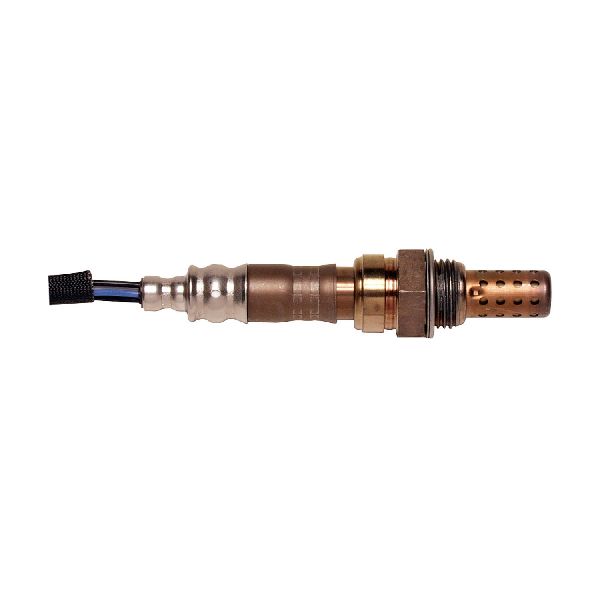
OEM Part Numbers: 89467-33080 89467-33100 89465-06100
Vehicle may have two (4-cylinder) or four (V6) sensors. Sensors are designated by location (e.g., Bank 1 Sensor 1, Bank 2 Sensor 2). Upstream sensors are often called Air/Fuel Ratio sensors, while downstream sensors are called Oxygen sensors. A 22mm or 7/8" slotted socket is required for removal and installation.
We Have This Part in Stock

The information in this article is provided for general reference and educational purposes only. Vehicle specifications, procedures, and part compatibility can vary by production date, trim level, and region. Always consult your vehicle's factory service manual and verify part numbers before purchasing or performing repairs. Safety-critical components such as airbags, seat belts, and braking systems should be installed by a qualified professional.
- Toyota Solara:
- 🎬 Helpful Videos
- 🛍️ Shop This Part
- Is Your Solara's Oxygen Sensor Failing?
- Symptoms of a Bad Oxygen Sensor
- Don't Ignore a Failing Sensor
- Choosing the Right Aftermarket Oxygen Sensor
- Pro Tip: Always Use Direct-Fit Sensors
- Aftermarket Brand Quality Tiers for Toyota Solara
- Frequently Asked Questions
- 🎟️ Get 5% Off