

Saab 9-3 Ignition Knock Sensor (1999-2009): A Replacement Guide
A bad knock sensor can reduce power and fuel economy; learn how to choose the right replacement for your 9-3's sensitive engine.
- Prefer an OEM-supplier brand like Bosch for best compatibility with Saab's sensitive Trionic ECU.
- A P0325 code on some 2003+ models may point to the ignition cassette, not a physical knock sensor.
- Proper installation torque is critical; over-tightening or under-tightening the sensor can cause it to malfunction.
- Symptoms of failure include a Check Engine Light, significant power loss, and poor fuel economy.
Is Your Saab 9-3 Knock Sensor Failing?
A failing knock sensor can cause problems that you will definitely notice. Because the sensor is a key part of the engine management system, a bad signal—or no signal—forces the computer to play it safe. The ECU will default to a conservative engine map, reducing performance to prevent potential damage.
Common symptoms include a Check Engine Light, a clear loss of power, hesitation when you accelerate, and worse fuel mileage. In some cases, you might hear a metallic pinging or rattling sound from the engine, especially when going uphill.
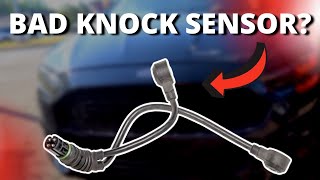
🎬 See this video for a breakdown of bad knock sensor symptomsChoosing the Right Aftermarket Knock Sensor for Your 9-3
Saab's Trionic engine management system is known for being sensitive to the quality of its sensors. While many aftermarket parts work fine on other cars, Saab owners often report the best results with original equipment (OE) or OEM-supplier brands.
A Note on P0325 Code on Later Models
Some 2003 and newer Saab 9-3 models with the Trionic 8 system do not use a traditional knock sensor. Instead, they detect knock through the spark plug ionization current via the ignition cassette. If you have a P0325 code on one of these cars, the problem is likely with the spark plugs, coil packs, or the ignition module itself, not a separate knock sensor. Always verify if your specific engine has a physical knock sensor before ordering a part.
Brand Quality Tiers
- Tier 1: OEM Supplier (Bosch): Bosch was the original equipment supplier for many Saab components. Choosing a Bosch sensor is the closest you can get to buying a genuine Saab part. It is widely recommended by Saab enthusiasts for its reliability and compatibility with the Trionic system.
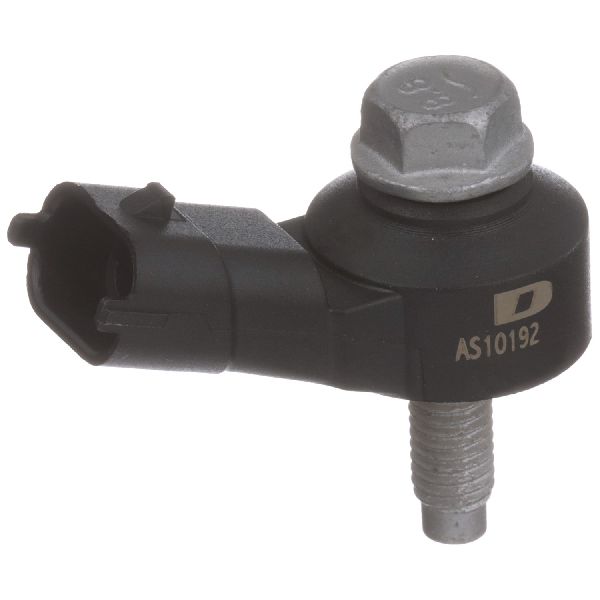
- Tier 2: Reputable Aftermarket (Delphi, NTK): Brands like Delphi and NTK (a division of NGK) have a strong reputation for producing quality electronic sensors that meet or exceed OEM specifications. These are a solid choice if a Bosch part is not available.
- Tier 3: Standard Aftermarket (Standard Ignition, Facet, Vemo): These brands offer a more budget-friendly option. While they are designed to fit and function, their long-term durability and signal precision might not match the higher-tier brands. Given the sensitivity of the Saab ECU, using these brands could be a gamble.
Installation is Critical
The knock sensor must be tightened to a specific torque setting, typically around 20-23 Nm (15-17 lb-ft). Over-tightening the sensor can make it too sensitive and cause it to send false signals, while under-tightening can prevent it from detecting real knock. Always use a torque wrench for this job and do not use any grease or washers on the mounting surface.
New Aftermarket Knock Sensor Cost for 1999-2009 Saab 9-3
| Part Type | Estimated Cost |
|---|---|
| New Aftermarket (Your Price Range) | $33.11 - $71.43 |
| New OEM (Bosch/GM Genuine) | $55 - $115 |
| Shop Labor | $110 - $161 |
Frequently Asked Questions
Where is the knock sensor located on a Saab 9-3?
On models equipped with one, the knock sensor is bolted directly to the engine block, usually under the intake manifold. Access can be tight, and you may need to remove other components to reach it. The first generation (1999-2002) and second generation (2003+) have different engine layouts, so the exact location can vary.
What is the most common trouble code for a bad knock sensor?
The most common diagnostic trouble code (DTC) is P0325, which indicates a circuit malfunction for the knock sensor. This means the ECU is getting an incorrect signal or no signal at all from the sensor.
Can I replace the knock sensor myself?
Yes, this is a DIY-feasible job for someone with moderate mechanical skill. The main challenges are accessing the sensor, which may be in a cramped location, and ensuring you tighten the new sensor to the correct torque specification.
Are there any recalls for the Saab 9-3 knock sensor?
No, there are no specific recalls or Technical Service Bulletins (TSBs) from the National Highway Traffic Safety Administration (NHTSA) for the ignition knock sensor on the 1999-2009 Saab 9-3. Recalls for this vehicle range primarily concern airbags and fuel pumps.
Helpful Videos

Technical Specifications
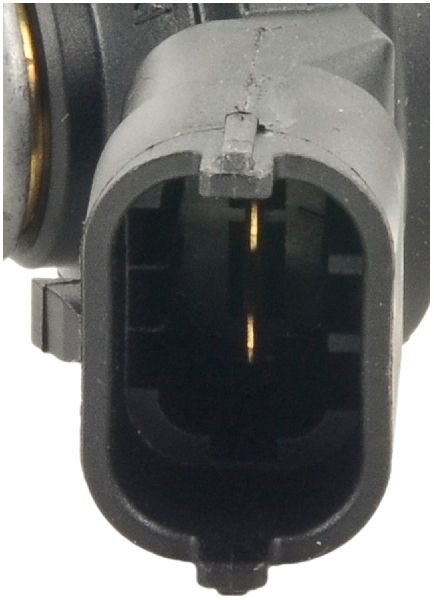
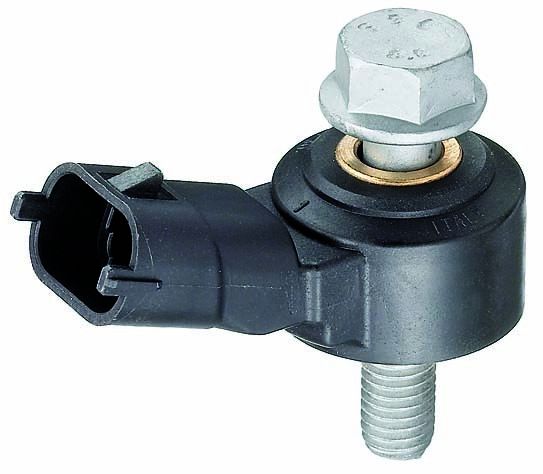
OEM Part Numbers: 9138423 12589867 10456603
Location: Engine Block, often under intake manifold. Tightening Torque: Approx. 20-23 Nm (15-17 lb-ft).
We Have This Part in Stock

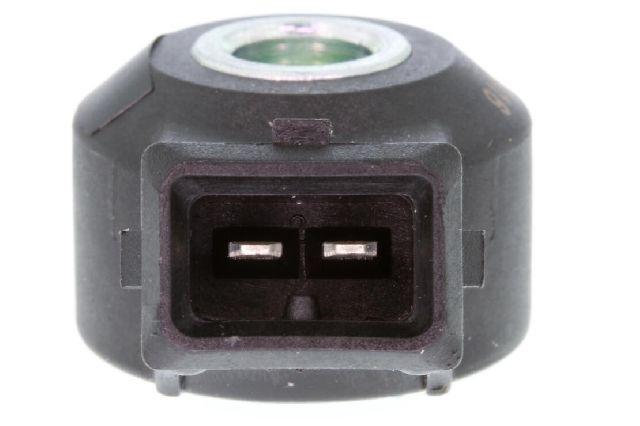

The information in this article is provided for general reference and educational purposes only. Vehicle specifications, procedures, and part compatibility can vary by production date, trim level, and region. Always consult your vehicle's factory service manual and verify part numbers before purchasing or performing repairs. Safety-critical components such as airbags, seat belts, and braking systems should be installed by a qualified professional.
- Saab 9-3:
- 🎬 Helpful Videos
- 🛍️ Shop This Part
- Is Your Saab 9-3 Knock Sensor Failing?
- Choosing the Right Aftermarket Knock Sensor for Your 9-3
- A Note on P0325 Code on Later Models
- Brand Quality Tiers
- Installation is Critical
- New Aftermarket Knock Sensor Cost for 1999-2009 Saab 9-3
- Frequently Asked Questions
- 🎟️ Get 5% Off