

Volkswagen Golf Radiator: A Guide for 1999-2009 Models
Overheating or finding puddles? Here’s what to know before replacing the radiator on your Mk4 or Mk5 Golf.
- The most common failure is cracking of the plastic end tanks, leading to coolant leaks.
- Replacement is a complex job (4-6 hours) requiring removal of the front bumper.
- For reliability, choose OE-equivalent brands like Mahle/Behr, Valeo, or Nissens.
- Before replacing, pressure-test the system to rule out other leak sources like hoses or the coolant flange.
Is Your Golf's Radiator Failing?
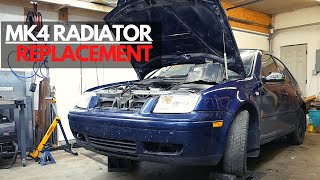
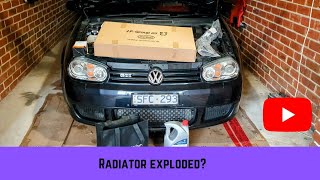
If you own a 1999-2009 Volkswagen Golf, you're driving a car known for its longevity. However, after 15-25 years of service, some parts just wear out. The radiator is a common one. The original radiators in these cars use plastic end tanks crimped onto an aluminum core. Over many years of heating up and cooling down, this plastic becomes brittle and can crack, causing leaks. This is the most frequent reason for radiator failure on the Mk4 (1999-2006) 🎬 See this Mk4 radiator and bottom hose replacement walkthrough and Mk5 (2006-2009) Golf.
🎬 Watch: Step-by-step radiator replacement for the Golf Mk5Common Signs of a Bad Radiator
- Engine Overheating: The temperature gauge on your dash climbs into the red, especially in traffic or on hot days.
- Coolant Leaks: You find bright green or pink puddles under the front of your car. This is the most obvious sign.
- Low Coolant Light: The warning light on your dashboard stays on, even after you've topped off the fluid.
- Sweet Smell: You notice a distinct, sweet odor from the engine bay after driving. This is the smell of burning antifreeze.
- Visible Cracks: You may be able to see cracks on the black plastic sides of the radiator or coolant stains around the seams.
Choosing the Right Aftermarket Radiator
When replacing your radiator, you don't have to buy an expensive part from the dealer. Aftermarket options offer a range of quality and price points. Here’s how they generally break down for your Golf.
Tier 1: OE-Equivalent Brands
These brands are often the original manufacturers for Volkswagen or produce parts to the exact same standards. They are the safest choice for a perfect fit and reliable, long-term performance. If you want a set-it-and-forget-it repair, choose one of these.
- Mahle / Behr: Behr is widely considered an original equipment manufacturer (OEM) for Volkswagen. Choosing this brand is like getting a dealer part without the dealer price tag.
- Valeo: Another top-tier OEM supplier with a strong reputation for quality in European cars.
- Nissens: A well-respected Danish company known for high-quality cooling system parts that fit and work correctly.
- Denso: A global OEM supplier known for excellent quality control and engineering.
Tier 2: Performance Brands
If your Golf is modified or you want to upgrade the cooling system for better durability, a performance radiator is a great option. These often feature all-aluminum construction, eliminating the weak plastic end tanks entirely.
- Mishimoto: Known for performance upgrades, Mishimoto offers full-aluminum radiators that are TIG-welded for strength. They are designed to improve cooling efficiency and are a popular choice for enthusiasts.
- CSF Radiator: Offers high-performance all-aluminum radiators with features like multi-louvered fins and precision-welded tanks for a true drop-in fit and enhanced cooling.
Pro Tip: Check Your Connections
The cooling system on the Mk4 and Mk5 Golf has other common leak points, like the water pump, coolant flange, and various hoses. Before ordering a new radiator, it's wise to have a mechanic pressure-test the system to confirm the radiator is the true source of the leak.
🎬 Watch: How to find and diagnose a VW coolant leakTier 3: Standard Aftermarket Brands
These brands provide a good balance of price and quality for daily driving. They are a significant step up from the cheapest options and offer reliable service for a reasonable cost.
- Spectra: A popular and trusted aftermarket brand in North America that offers a good combination of quality and value.
- APDI: A common brand found in many auto parts stores that provides a functional, budget-friendly replacement.
Tier 4: Economy Brands
These are your most budget-friendly options. Brands like One Stop Solutions or Onix fall into this category. While they will get your car back on the road, they may not offer the same lifespan or perfect fit as higher-tier brands. They can be a good choice if the budget is the primary concern.
What Does a Radiator Replacement Cost?
Replacing the radiator on a 1999-2009 Golf is a labor-intensive job because the entire front bumper and support structure often need to be removed.
| Item | Estimated Cost |
|---|---|
| New Aftermarket Radiator (Part) | $25 - $358 |
| Shop Labor | $400 - $900 |
| Total Estimated Cost | $425 - $1,258 |
Costs are estimates and will vary based on your location, the specific brand chosen, and your mechanic's labor rates.
Frequently Asked Questions
Is this a good DIY job for a beginner?
This is a challenging job for a beginner. The replacement process for both the Mk4 and Mk5 Golf requires removing the front bumper, headlights, and front lock carrier. While there are many online guides, it is considered an involved job that takes 4-6 hours. It is feasible for an experienced DIYer, but a novice may find it difficult.
Should I replace anything else at the same time?
Yes. While the front of the car is disassembled, it's the perfect time to inspect and replace the radiator hoses, thermostat, and serpentine belt if they are old. On many Golf models, the water pump is driven by the timing belt; if you're near your service interval, it's a good idea to address that as well, though it's a separate job.
Were there any recalls on the 1999-2009 Golf radiator?
No. Searches of the NHTSA database and other recall sites show no specific recalls for the radiator on the 1999-2009 Volkswagen Golf models. Failures on these vehicles are typically due to age and wear on the original parts. There was a recall on some 1999 models for the water pump, which is part of the cooling system, but not the radiator itself.
What kind of coolant should I use?
Volkswagen engines require a specific type of coolant. For this generation, you should use a phosphate-free, silicate-free coolant, typically G12 (pink/purple) or a compatible modern equivalent like G13. Using the wrong type of coolant can cause corrosion and damage to the cooling system. Always check your owner's manual or the new coolant bottle for compatibility.
Helpful Videos
Technical Specifications
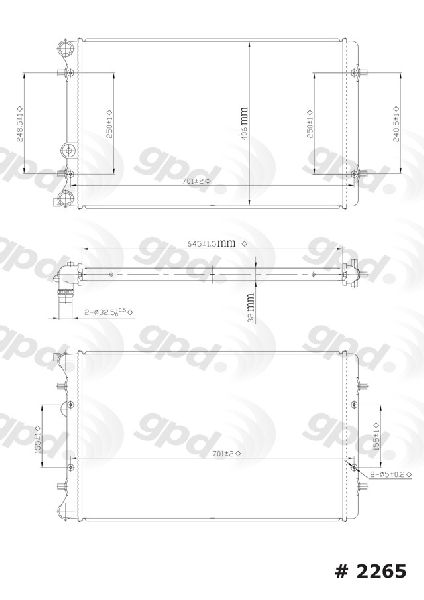
OEM Part Numbers: 1J0121253AD
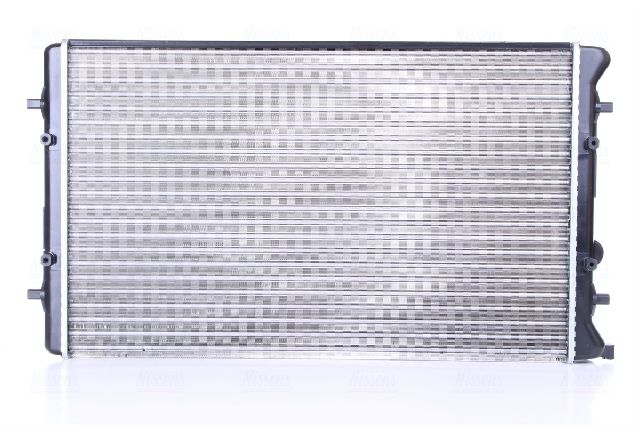
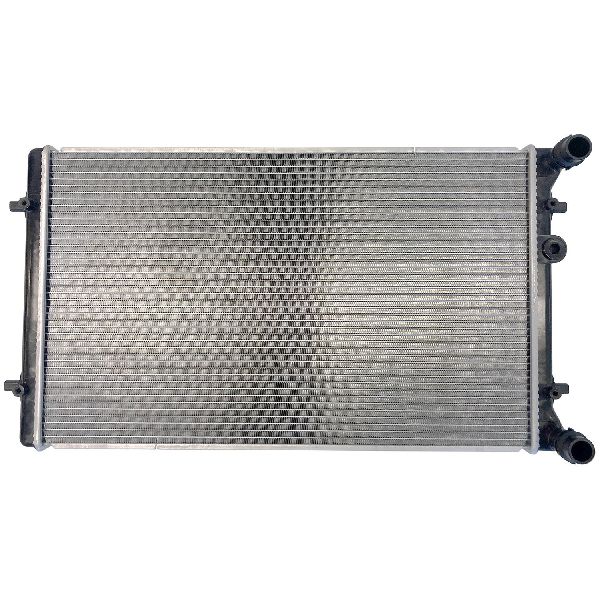
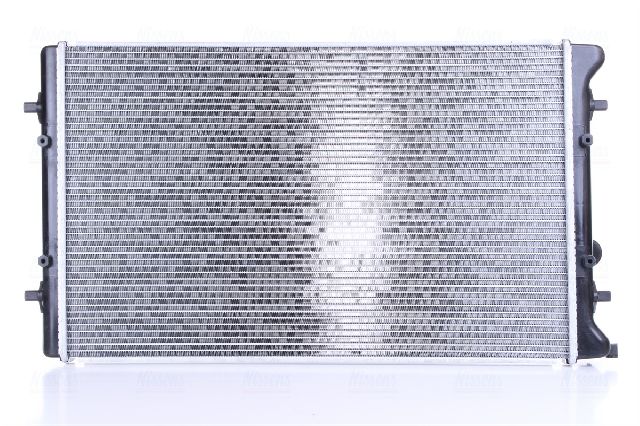
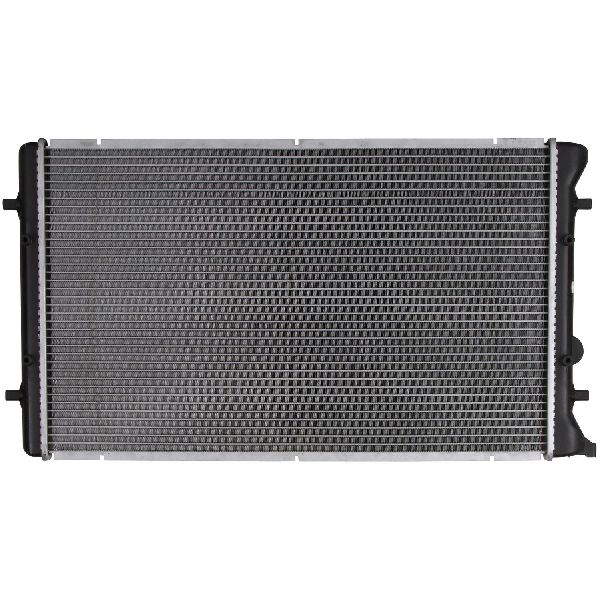
The key failure point for the 1999-2009 VW Golf radiator is the material composition. The original design consists of an aluminum core with plastic end tanks crimped on the sides. Over time, repeated heat cycles cause the plastic to become brittle and crack, or the seal between the plastic and aluminum to fail, resulting in coolant leaks. Upgraded aftermarket options often use all-aluminum construction to eliminate this weak point.
We Have This Part in Stock


The information in this article is provided for general reference and educational purposes only. Vehicle specifications, procedures, and part compatibility can vary by production date, trim level, and region. Always consult your vehicle's factory service manual and verify part numbers before purchasing or performing repairs. Safety-critical components such as airbags, seat belts, and braking systems should be installed by a qualified professional.
- Volkswagen Golf:
- 🎬 Helpful Videos
- 🛍️ Shop This Part
- Is Your Golf's Radiator Failing?
- Common Signs of a Bad Radiator
- Choosing the Right Aftermarket Radiator
- Tier 1: OE-Equivalent Brands
- Tier 2: Performance Brands
- Pro Tip: Check Your Connections
- Tier 3: Standard Aftermarket Brands
- Tier 4: Economy Brands
- What Does a Radiator Replacement Cost?
- Frequently Asked Questions
- 🎟️ Get 5% Off