

A Practical Guide to the 1999-2010 Audi TT Brake Light Switch
Don't let a tiny, inexpensive part cause major headaches like an EPC light or dead battery.
- A faulty brake light switch is a very common cause of the EPC warning light on a 1999-2010 Audi TT.
- Symptoms can include brake lights not working, brake lights staying on, or the inability to shift out of Park.
- This is an easy and inexpensive DIY repair that most owners can complete in under 30 minutes.
- Avoid the cheapest brands; choose a reputable aftermarket supplier like Standard Ignition or Vemo to ensure reliability.
Is Your Audi TT Showing These Symptoms?

A failing brake light switch is one of the most common issues on the Mk1 and Mk2 Audi TT. Because it communicates with multiple vehicle systems, the symptoms are not always straightforward. Watch for these signs:
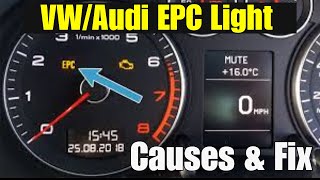
- EPC Light: The most common and confusing symptom for many owners is the Electronic Power Control (EPC) light illuminating on the dashboard. The car's computer receives conflicting information from the faulty switch, triggering the EPC warning and sometimes causing the engine to go into a low-power "limp mode".
- Brake Lights Not Working: The most dangerous symptom is a total failure of the brake lights, which may not light up when you press the pedal.
- Brake Lights Stuck On: The switch can also fail in the 'on' position, leaving your brake lights permanently illuminated and draining your battery when the car is parked.
- ABS or ESP/Traction Control Lights: The stability control system (ESP) relies on the brake switch signal. A fault can trigger the ESP or ABS warning lights.
- Cruise Control Issues: Your cruise control may not engage or may shut off randomly.
- Shifter Stuck in Park: On automatic models, the switch failure can prevent the gear selector from moving out of Park.
Known Issues and Recalls
While there was no specific recall for the Audi TT for this part in North America, the same switch used in other Volkswagen and Audi models of the era was recalled for premature failure. This indicates a known weakness in the original part design, making failure common across the entire 1999-2010 model range.
Choosing the Right Aftermarket Brake Light Switch

Given the original part's tendency to fail, you don't necessarily need to buy a genuine Audi part. A quality aftermarket switch can be a reliable and cost-effective solution. However, not all brands are created equal, especially for sensitive electronics on German vehicles. Here’s a breakdown of available brands:
- Trusted Aftermarket (Good): Brands like Standard Ignition have a solid reputation for producing reliable electronic components that fit and function correctly.
- Reputable Aftermarket (Better): Brands such as Vemo and Facet are well-known in the European parts market and are generally considered a safe bet for quality and reliability.
- Value Brands (Use with Caution): Brands like URO Parts, Calorstat, and Rostra are typically the most affordable. While Rostra and Calorstat have decent reputations in other product areas, URO Parts is widely known for inconsistent quality, especially with electronics. For a critical safety component that also talks to your car's computer, it's wise to spend a few extra dollars to avoid brands with a questionable track record.
Pro Tip: Since even good aftermarket switches are inexpensive, this is not the place to save money. Choosing a trusted or reputable brand over a budget one can prevent the need to do the job twice and avoid chasing the same electrical gremlins down the road.
Replacement Cost
This is one of the most affordable repairs for an Audi TT. The part itself is inexpensive, and labor is minimal.
| Item | Estimated Cost |
|---|---|
| New Aftermarket Part | $11 - $61 |
| Shop Labor | $50 - $100 |
| Total Estimated Cost (at a shop) | $61 - $161 |
| DIY Cost (Part Only) | $11 - $61 |
Frequently Asked Questions

Is replacing the brake light switch a DIY job?
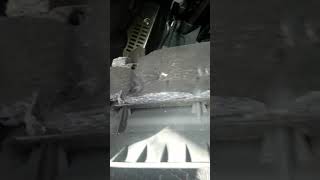
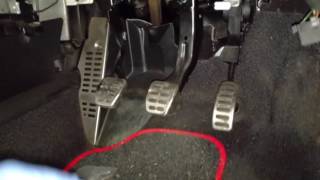
Yes, absolutely. This is a great beginner-friendly DIY task. It requires removing the lower dash panel above the pedals (held by a few Torx screws), unplugging the old switch, giving it a quarter-turn to remove it, and installing the new one in reverse. The entire process typically takes less than 30 minutes.
🎬 See this step-by-step walkthrough for changing the Audi TT brake switch.Why did the EPC light come on? Is it a serious problem?
The EPC light comes on because the brake light switch sends signals to both the brake lights and the Engine Control Unit (ECU). When the switch fails, the ECU gets a signal that doesn't make sense (for example, it sees the brake is pressed when it isn't). This conflict triggers the EPC light as a precaution. Replacing the faulty switch will almost always resolve the EPC light if the switch was the root cause.
🎬 Watch: Understanding why the EPC light triggers and how to fix it.Can I still drive my TT with a bad brake light switch?
It is not recommended. If your brake lights are not working, it is a serious safety hazard. If they are stuck on, you will drain your battery. Driving with the EPC light on is also not advised, as the car may be in a reduced power mode. Given how cheap and easy the fix is, you should address it immediately.
Are all the aftermarket brands the same?
No. For German cars, using parts from brands with a poor reputation for quality control, like URO Parts, can sometimes introduce new problems or fail quickly. It is best to stick with brands known for producing quality electronic components, such as Standard Ignition or Vemo.
Helpful Videos
Technical Specifications
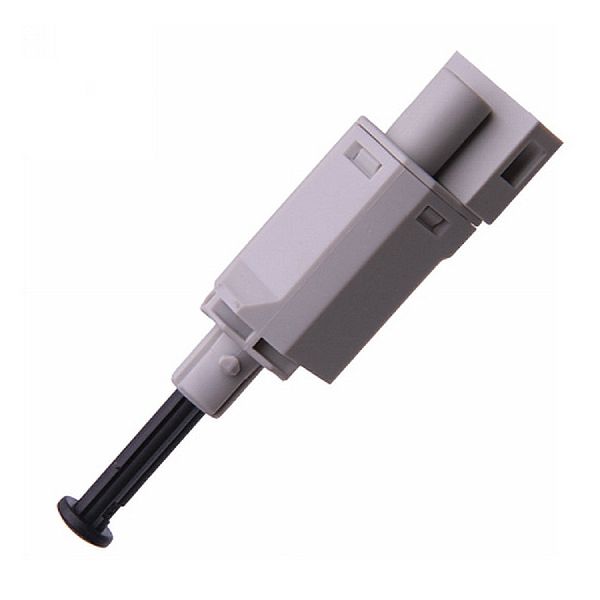
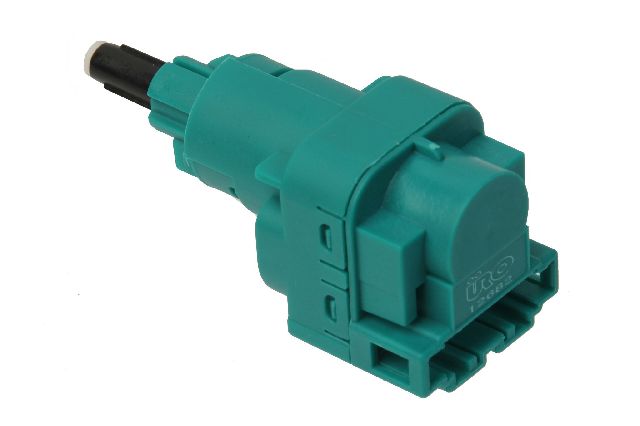
OEM Part Numbers: 1C0945511A 1J0945511A 1J0945511D 7L6945511 1K2945511RDW
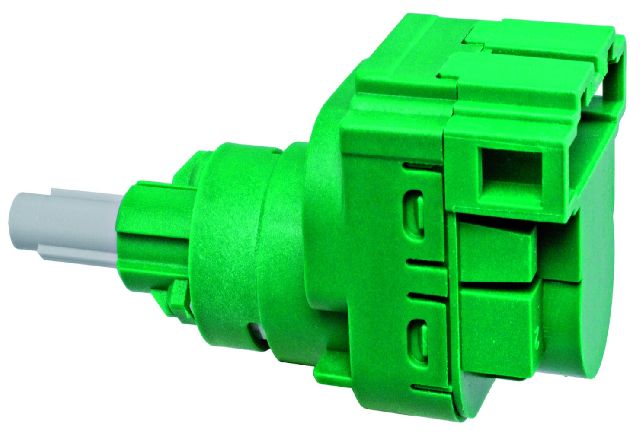
Located on the brake pedal bracket. Typically a 4-pin connector. Removed with a quarter-turn twist.
We Have This Part in Stock


The information in this article is provided for general reference and educational purposes only. Vehicle specifications, procedures, and part compatibility can vary by production date, trim level, and region. Always consult your vehicle's factory service manual and verify part numbers before purchasing or performing repairs. Safety-critical components such as airbags, seat belts, and braking systems should be installed by a qualified professional.
- Audi TT: