

Land Rover Range Rover Spark Plug Guide: 1999-2010
Choosing the right spark plugs is critical for the performance and health of your Range Rover's specific engine.
- You must identify your specific engine (P38 GEMS/Bosch, L322 BMW, or L322 Jaguar) before purchasing plugs.
- OEM brands like NGK, Bosch, and Champion are safe and reliable aftermarket choices.
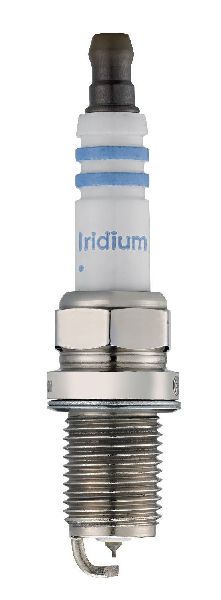
- Iridium plugs offer the longest life and are specified for most 2006 and newer models.
- Symptoms like rough idle, misfires, and poor fuel economy strongly point to worn spark plugs.
Understanding Your Range Rover's Engine is Key
The 1999 to 2010 model years span two different Range Rover generations and multiple V8 engines, each with unique spark plug requirements. Using the wrong plug can lead to poor performance, bad fuel economy, and even engine damage. It is critical to identify your specific engine before buying new plugs.
- 1999-2002 (P38 Generation): These models use a 4.0L or 4.6L V8. Early 1999 models have a GEMS engine management system, while later 1999-2002 models use a Bosch system. These systems require different plugs.
- 2003-2005 (L322 Generation): These SUVs are equipped with a 4.4L V8 engine sourced from BMW (the M62).
- 2006-2009 (L322 Generation): Land Rover switched to Jaguar-sourced (AJ-V8) engines, including a 4.4L naturally aspirated V8 and a 4.2L supercharged V8.
- 2010 (L322 Generation): This year introduced the powerful 5.0L V8, also from Jaguar, in both naturally aspirated and supercharged versions.
Signs of Failing Spark Plugs
Worn-out spark plugs can cause noticeable problems. If you experience any of these symptoms, it might be time for a replacement.
- Rough Idling: Your engine may vibrate or sound uneven when the vehicle is stopped.
- Engine Misfires: You might feel a stutter or hesitation from the engine, especially during acceleration. This can also trigger the check engine light.
- Poor Acceleration: The vehicle may feel sluggish and less responsive than usual.
- Reduced Fuel Economy: Worn plugs can cause incomplete fuel combustion, leading to more frequent stops at the gas station.
- Difficulty Starting: A weak spark can make it hard for the engine to turn over, particularly in cold weather.
Known Issues, Recalls, and TSBs
As of this writing, there are no specific recalls or technical service bulletins (TSBs) from the NHTSA directly related to spark plugs for the 1999-2010 Land Rover Range Rover. However, ignition system problems, including spark plug or coil failure, are common sources for misfire-related diagnostic trouble codes. Always address a flashing check engine light immediately to prevent potential damage to the catalytic converters.
Choosing the Right Aftermarket Spark Plugs
The original equipment (OEM) spark plugs for these Range Rovers were typically made by Champion, NGK, or Bosch, depending on the engine. High-quality aftermarket brands offer excellent performance, often at a better price point.
Brand Tiers for Your Range Rover
- Top Tier (OEM-Equivalent or Better): NGK and Bosch are consistently recommended as top choices. They are often the original suppliers and offer iridium or platinum plugs that provide long life and excellent performance. Denso is another high-quality Japanese brand known for its reliability and is a solid choice for these engines.
- Mid-Tier (Reliable Aftermarket): Champion, the OEM for many of these models, offers reliable copper and platinum options that meet factory specifications. Autolite also produces compatible plugs that provide good value and performance for daily driving.
- Budget-Friendly: While brands like MSD are known in the performance world, for a stock Range Rover, it's best to stick with brands proven to work well with the complex electronics of these vehicles. Motorcraft plugs are designed for Ford vehicles and are generally not recommended for a Land Rover.
Pro Tip: Iridium vs. Platinum vs. Copper
Modern Range Rover engines (2006 and newer) typically require long-life iridium spark plugs. Older models may have originally used copper or platinum plugs. While copper plugs are cheaper, they have a much shorter service life (around 30,000 miles). Platinum plugs offer a good balance of performance and longevity (around 60,000 miles). Iridium plugs cost the most but can last up to 100,000 miles, making them a great investment for newer models.
| Part Type | Price Range | Notes |
|---|---|---|
| New OEM | $80 - $200 | Genuine Land Rover parts, typically manufactured by NGK, Bosch, or Champion. |
| New Aftermarket | $28 - $184 | Wide range based on brand and material (Copper, Platinum, Iridium). Our inventory ranges from $3.50 to $22.92 per plug. |
| Shop Labor | $150 - $400 | Varies by engine. The BMW M62 (2003-05) is generally easier 🎬 Watch this step-by-step guide to replacing spark plugs on an L322. than the supercharged Jaguar engines. |
Frequently Asked Questions
Which spark plug is best for my specific Range Rover engine?
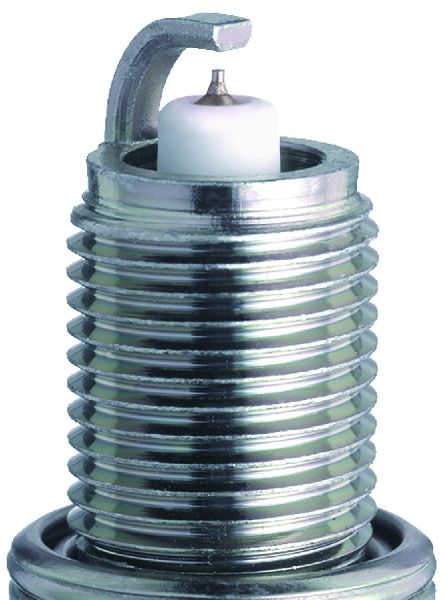
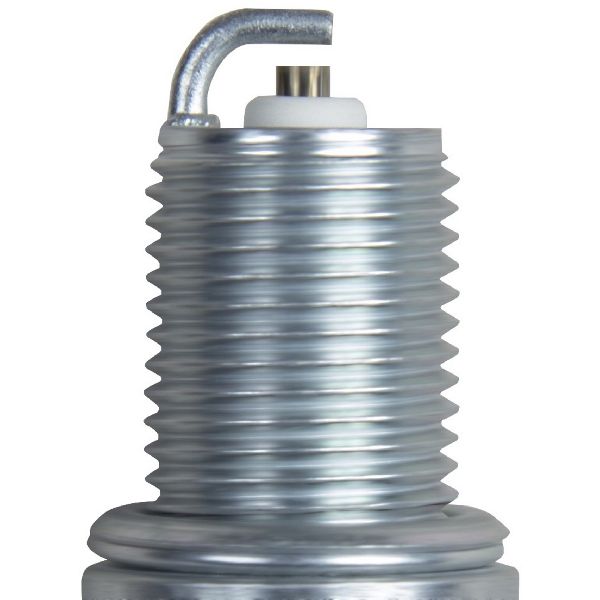
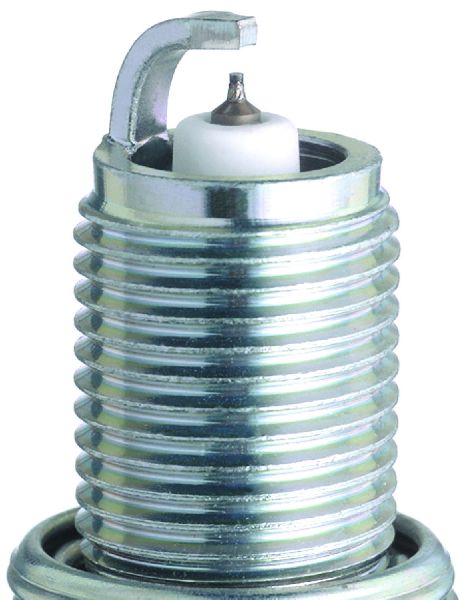
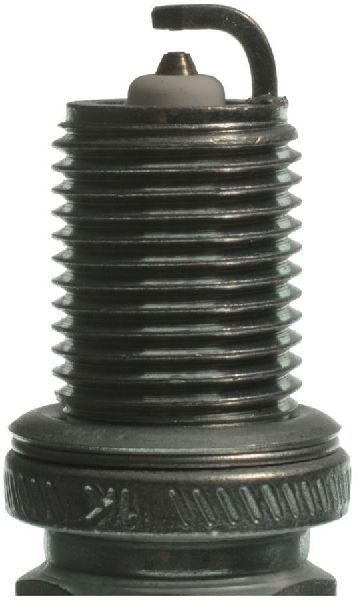
For 1999-2002 P38 models with the GEMS engine, Champion RN11YC4 is the recommended plug. For later P38s with the Bosch engine, the Champion RC11PYP (NLP100320) is correct. For 2003-2005 L322 models with the BMW 4.4L engine, the OEM plug is a Champion or NGK platinum plug. For 2006-2009 models with the Jaguar engines, NGK or Bosch Iridium plugs are recommended. For 2010 models with the 5.0L engine, NGK Iridium plugs (LR032080) are the OEM choice.
How often should I change the spark plugs?
The replacement interval depends on the plug type and engine. For older models with copper plugs, every 30,000 miles is recommended. For models with platinum plugs, the interval is typically 60,000 miles. For modern engines with iridium plugs, it can be as long as 90,000-100,000 miles. Check your owner's manual for the specific schedule for your vehicle.
Do I need to gap the new spark plugs?
Most high-quality platinum and iridium spark plugs from brands like NGK and Bosch come pre-gapped. While it's always a good practice to verify the gap with a feeler gauge, you should not attempt to re-gap fine-wire iridium plugs, as you can easily damage the delicate electrode. Copper plugs may require gapping.
Should I replace the ignition coils at the same time?
It is not required, but it can be a good preventative measure, especially on higher-mileage vehicles. The ignition coils sit directly on top of the spark plugs, and you have to remove them to do the job anyway. If one coil has failed, others may not be far behind. Replacing them all at once can save you from doing the same labor again in the near future.
Helpful Videos

Technical Specifications
OEM Part Numbers: ERR3799 NLP100320 LR021006 NLP000030 LR005253 LR032080
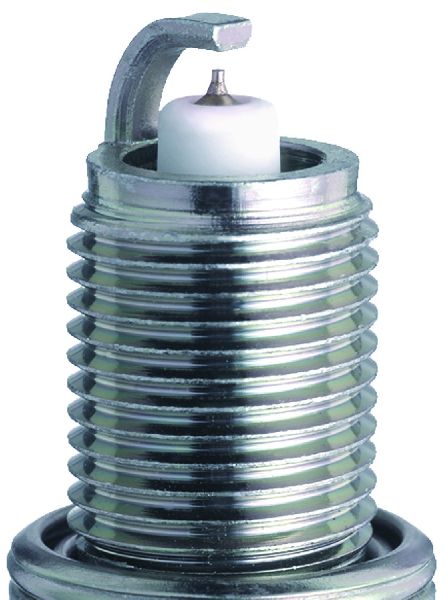
Varies significantly by engine. P38 models use gasket seat plugs, while L322 models use taper seat plugs. Materials range from copper to double platinum and iridium. Always verify the part number for your specific engine.
We Have This Part in Stock

The information in this article is provided for general reference and educational purposes only. Vehicle specifications, procedures, and part compatibility can vary by production date, trim level, and region. Always consult your vehicle's factory service manual and verify part numbers before purchasing or performing repairs. Safety-critical components such as airbags, seat belts, and braking systems should be installed by a qualified professional.
- Land Rover Range Rover:
- 🎬 Helpful Videos
- 🛍️ Shop This Part
- Understanding Your Range Rover's Engine is Key
- Signs of Failing Spark Plugs
- Known Issues, Recalls, and TSBs
- Choosing the Right Aftermarket Spark Plugs
- Brand Tiers for Your Range Rover
- Pro Tip: Iridium vs. Platinum vs. Copper
- Frequently Asked Questions
- 🎟️ Get 5% Off