

Mazda B2300 Vehicle Speed Sensor Guide for 1999-2010 Models
Fix your erratic speedometer and shifting problems by understanding the vehicle speed sensor in your truck.
- A bad speed sensor on a B2300 most often causes an erratic speedometer and hard shifting in automatic models.
- The most likely culprit for a bad speedometer reading is the sensor located on top of the rear axle differential.
- This is a very easy and affordable DIY repair that usually takes less than 30 minutes with basic tools.
- Because the B2300 is a rebadged Ford Ranger, parts are widely available from quality aftermarket brands like NGK, Standard Ignition, and Walker.
Is Your Mazda B2300 Speedometer Acting Up?
A faulty vehicle speed sensor is a common issue on the 1999-2010 Mazda B2300 and its twin, the Ford Ranger. Since this sensor is key to several functions, a failure can cause noticeable problems that go beyond just the speedometer. Understanding these symptoms is the first step to a successful repair.
Symptoms of a Failing Vehicle Speed Sensor
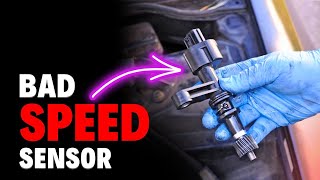
When the VSS starts to fail, your truck's computer 🎬 Watch: 5 common symptoms of a failing speed sensor gets bad information. This can lead to several distinct problems:
- Erratic or Dead Speedometer: The needle may jump around unpredictably or drop to zero while you're driving.
- Harsh Automatic Shifting: The transmission may slam into gear, shift at the wrong times, or feel like it's slipping because it doesn't know how fast you're going.
- Cruise Control Stops Working: The cruise control system relies on a steady speed signal, so it will shut off or refuse to engage.
- Check Engine Light: A VSS failure will often trigger the Check Engine Light and store a diagnostic trouble code, most commonly P0500. 🎬 See how to fix a P0500 code and dead speedometer
- ABS Light: Since the VSS signal often comes from the rear wheel ABS sensor, a failure can also illuminate the ABS warning light on your dash.
A Note on Location
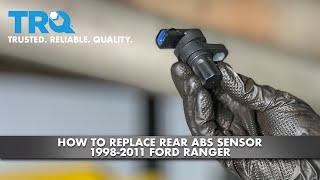
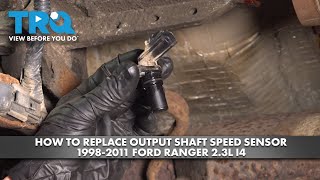
Your B2300 may have multiple speed sensors. The one that most commonly fails and causes speedometer issues is located on the top of the rear axle differential. 🎬 Watch: Step-by-step guide to replacing the rear axle sensor Automatic transmission models also have input and output sensors on the transmission itself for shift control. Always diagnose the problem before buying a part. If your speedometer is the main issue, the rear differential sensor is the most likely culprit.
Choosing the Right Aftermarket VSS Brand
You don't need to buy an expensive OEM sensor from a dealer. Quality aftermarket brands offer reliable performance for a fraction of the price. Here’s a breakdown of available brands:
- Premium Aftermarket (NGK, Standard Ignition): Brands like NGK (under their NTK sensor line) and Standard Ignition (Standard Motor Products) are well-regarded in the industry. They often act as original equipment suppliers for various carmakers and invest heavily in testing to ensure their parts meet or exceed OEM quality. These are a solid choice for a long-lasting repair.
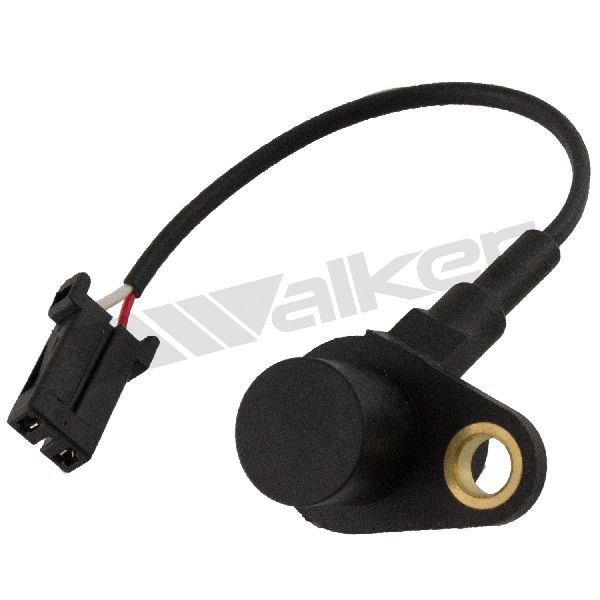
- Quality Aftermarket (Walker Products): Walker is a known aftermarket brand that produces a wide range of sensors. They state their parts are precision-manufactured and tested to meet OEM specifications, making them a dependable, mid-tier option.
- Standard/Economy (Global Parts): This brand typically falls into the economy category. While it offers a cost-effective solution that will get the job done, it may not have the same level of engineering or long-term durability as the premium brands.
Pro Tip: The Mazda B2300 is mechanically identical to the Ford Ranger for these model years. When searching for parts or information, looking for the equivalent Ford Ranger part will give you more options and often more competitive pricing.
Typical Replacement Costs
Replacing the VSS is an affordable repair, especially if you do it yourself. The sensor on the rear axle is very easy to access.
| Part/Service | Estimated Cost |
|---|---|
| New Aftermarket Part | $29 - $71 |
| New OEM Part | $150 - $200 |
| Shop Labor | $58 - $85 |
| Total Professional Repair | $208 - $285 |
Frequently Asked Questions
Where is the vehicle speed sensor located on a 1999-2010 Mazda B2300?
The primary sensor for the speedometer is typically located on the top of the rear axle differential, held in by a single bolt. Automatic transmission models will have additional speed sensors located on the transmission housing.
Can a bad VSS really cause my automatic transmission to shift hard?
Yes. The transmission control module needs to know the vehicle's speed to decide when to shift. Without a correct signal, it can't make smooth shifts, leading to harsh engagement or delayed shifting.
Is the Mazda B2300 VSS the same as a Ford Ranger VSS?
Yes, for the 1999-2010 model years, the Mazda B-Series trucks are rebadged Ford Rangers, and their mechanical and electrical parts, including the speed sensors, are interchangeable.
Can I replace the VSS myself?
Yes, this is a very DIY-friendly repair, especially for the sensor on the rear differential. It is secured by one bolt and has a simple electrical connector. The job requires basic hand tools and can often be done in under 30 minutes.
Helpful Videos

Technical Specifications
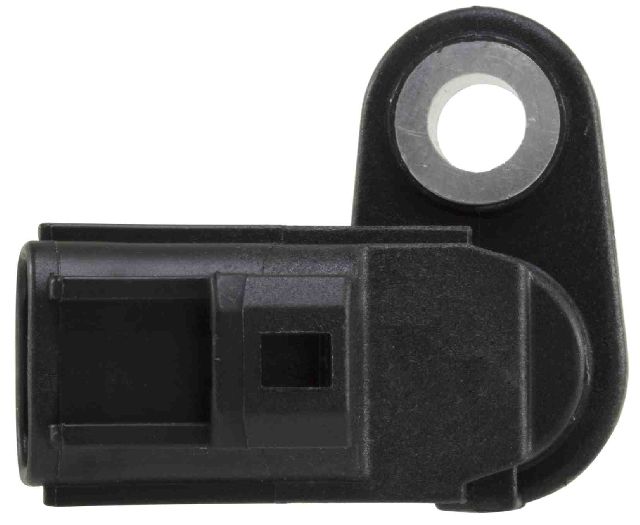
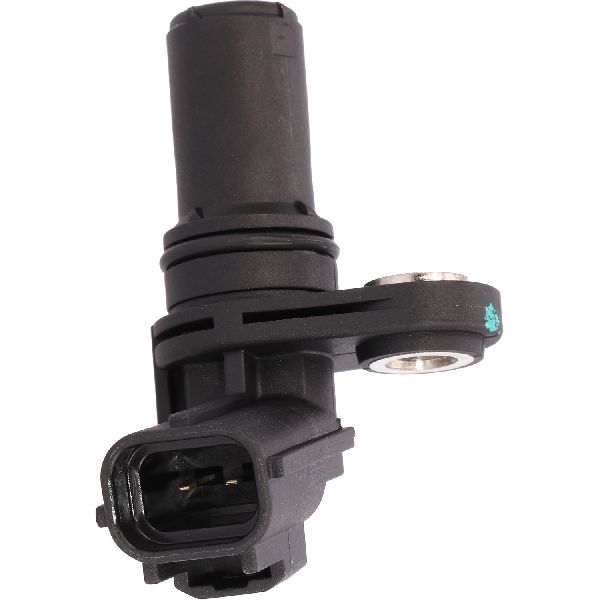
The primary vehicle speed sensor for the speedometer is typically a 2-pin magnetic sensor located on the rear differential housing. It functions as an ABS sensor that also provides the VSS signal. It is held in place by a single bolt.
We Have This Part in Stock


The information in this article is provided for general reference and educational purposes only. Vehicle specifications, procedures, and part compatibility can vary by production date, trim level, and region. Always consult your vehicle's factory service manual and verify part numbers before purchasing or performing repairs. Safety-critical components such as airbags, seat belts, and braking systems should be installed by a qualified professional.
- Mazda B2300: