

Ford F-250 Super Duty (1999-2011) Engine Crankshaft Position Sensor Guide
Having trouble with stalling or a no-start on your Super Duty? Your crankshaft position sensor might be the culprit.
- A failing crankshaft position sensor can cause a no-start condition or sudden stalling, which can be dangerous.
- For Powerstroke diesel engines, using an OEM Motorcraft sensor is strongly recommended by enthusiasts to ensure reliability.
- The replacement is a simple, one-bolt job on most 7.3L, 6.0L, and 6.4L engines, making it a feasible DIY repair.
- Do not confuse the Crankshaft Position Sensor (CKP) with the Camshaft Position Sensor (CMP), especially on 7.3L models, as both can cause similar symptoms.
Understanding Crankshaft Sensor Failure in Your F-250
The crankshaft position sensor (CKP) is a known failure point on 1999-2011 Ford F-250 Super Duty trucks, especially the 7.3L Powerstroke models. When this small sensor fails, it can leave you stranded. It sends vital crankshaft speed and position data to the powertrain control module (PCM), which controls fuel injection and ignition timing. A bad signal can cause everything from a rough idle to a complete engine shutdown.
A Note on 7.3L Powerstroke Engines
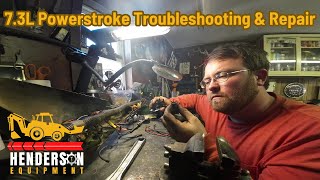
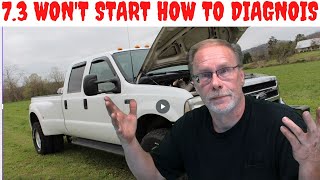
Owners of 7.3L Powerstroke trucks (1999-2003) should be aware of the similar but different Camshaft Position Sensor (CMP). The CMP was subject to a major recall and is also a very common failure point that causes similar no-start or stalling symptoms. Many owners confuse the two. 🎬 Watch: Basic troubleshooting for 7.3L no-start and sensor issues. While both can fail, it's wise to carry a spare of each. This guide focuses on the Crankshaft Position Sensor (CKP).
Choosing the Right Aftermarket Crankshaft Sensor
When it comes to engine sensors for the Powerstroke diesel engines, quality matters immensely. While OEM Motorcraft sensors are often recommended by enthusiasts, some high-quality aftermarket brands provide a reliable alternative. For gas engines, the tolerance for aftermarket sensors is generally higher, but a quality part is still a smart investment.
Brand Quality Tiers
- Top-Tier Aftermarket (Recommended): Brands like Delphi, Denso, Standard Ignition (SMP), and NGK often have a reputation for being reliable. They are engineered to meet or exceed OE specifications and are a good balance of quality and price. Some sources even note that brands like Standard Ignition may supply the OEM part in their own packaging.
- Mid-Tier / Value: Brands such as Dorman, Walker Products, and Hitachi can offer significant cost savings. However, quality can be inconsistent. These may be suitable for a budget repair, especially on gas models, but for a workhorse Powerstroke, the risk of premature failure might outweigh the initial savings.
- OEM: Motorcraft is Ford's original equipment brand. For the diesel Powerstroke engines, many owners and mechanics insist on using only Motorcraft or the original International-manufactured sensor to avoid issues. If your budget allows, this is often the safest bet.
Estimated Replacement Costs
| Part Type | Estimated Cost |
|---|---|
| New Aftermarket | $21.18 - $79.03 |
| New OEM (Motorcraft) | $41 - $91 |
| Shop Labor | $106 - $259 |
Pro Tip: Keep a Spare
For Powerstroke owners, especially those with the 7.3L, it is common practice to keep a new, known-good crankshaft sensor (and camshaft sensor) in the glove box. The part is relatively inexpensive and easy to change on the side of the road, potentially saving you a tow bill.
Frequently Asked Questions (FAQ)
Where is the crankshaft position sensor located on a 1999-2011 F-250?
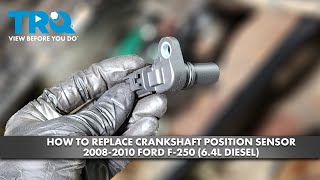
The location varies by engine. For 7.3L Powerstroke diesels, it's at the front of the engine, near the main crankshaft pulley, at about the 10 o'clock position. For 6.0L and 6.4L Powerstroke diesels, it's located on the passenger side of the engine block, behind the harmonic balancer. 🎬 Watch: Step-by-step crankshaft sensor replacement on a 6.4L Powerstroke. For 5.4L V8 gas engines, it is typically on the lower right side of the timing chain cover, sometimes requiring removal of the A/C compressor to access. For 6.2L gas engines, some diagrams show it located under the intake manifold, making it a much more difficult job.
Is it hard to replace the crankshaft position sensor?
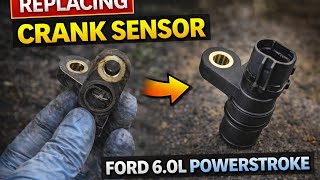
For most engines in this generation, it is a relatively easy job. On the 7.3L, 6.0L, and 6.4L Powerstroke engines, it's typically held by one 8mm or 10mm bolt and is accessible from underneath the truck. The estimated time is under an hour. 🎬 See this walkthrough for replacing the sensor on a 6.0L. However, on some gas models like the 6.2L, the location under the intake manifold makes it a much more difficult and time-consuming job.
Are there any recalls for the crankshaft position sensor?
Searches for the 1999-2011 model years did not show any specific recalls for the crankshaft position sensor. There was a well-known recall for the camshaft position sensor on the 7.3L Powerstroke, which is often confused with the crankshaft sensor. Later model year Super Duty trucks (2020-2022) had unrelated recalls. Always check the NHTSA website with your truck's VIN for the most accurate recall information.
Will an aftermarket sensor work for my Powerstroke diesel?
While many aftermarket options exist, Powerstroke engines are known to be sensitive to the quality of their electronic sensors. Many experienced owners and mechanics strongly recommend using an OEM Motorcraft sensor to avoid potential issues like poor performance or premature failure. If choosing aftermarket, stick to top-tier brands known for quality, like Delphi, Denso, or Standard Motor Products.
Helpful Videos
Technical Specifications
OEM Part Numbers: 3C3Z-6C315-AA 1W7Z-6C315-AB BC3Z-6C315-A F7TZ-12K073-B
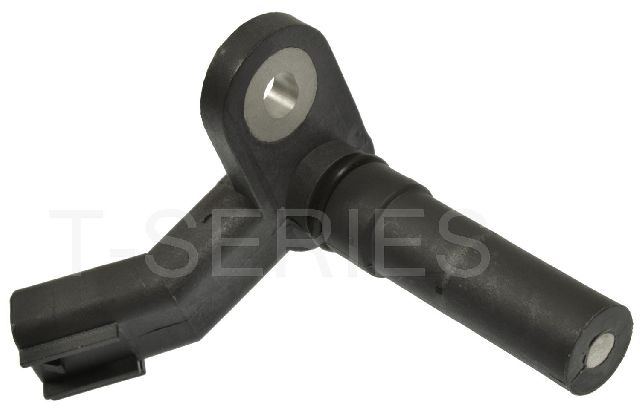
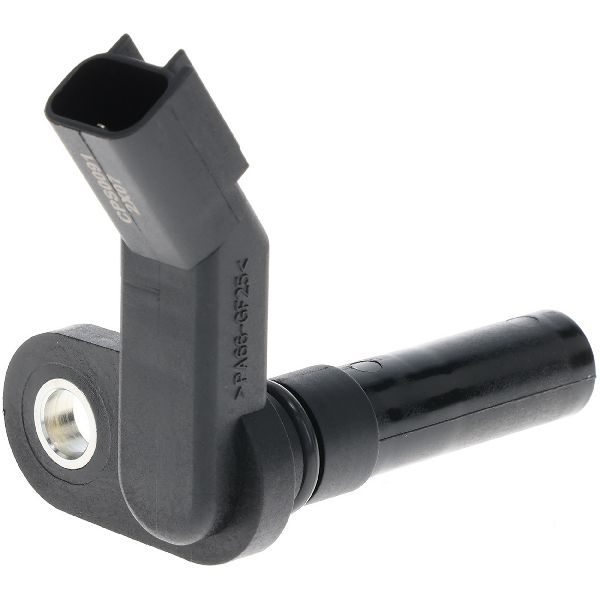
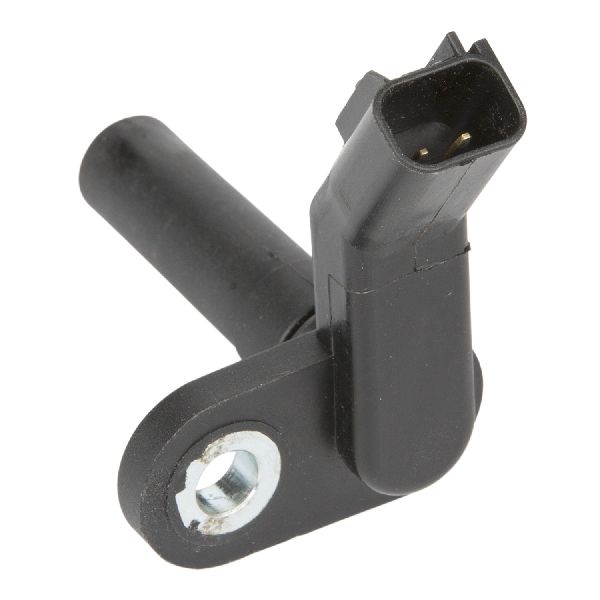
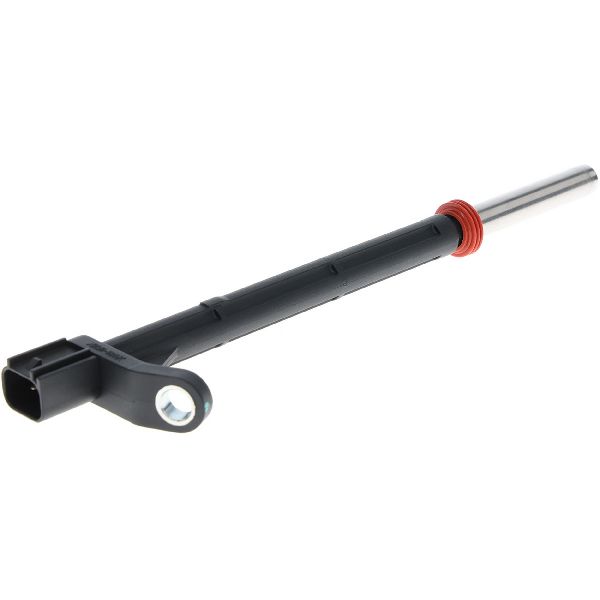
The crankshaft position sensor for the Ford F-250 is a magnetic hall-effect sensor. It reads the teeth on a reluctor wheel mounted to the crankshaft to determine rotational speed and position. It is typically held in place by a single bolt and sealed with an O-ring.
We Have This Part in Stock


The information in this article is provided for general reference and educational purposes only. Vehicle specifications, procedures, and part compatibility can vary by production date, trim level, and region. Always consult your vehicle's factory service manual and verify part numbers before purchasing or performing repairs. Safety-critical components such as airbags, seat belts, and braking systems should be installed by a qualified professional.
- Ford F-250 Super Duty: