

A Guide to the Mass Air Flow Sensor for the 1999-2011 Hyundai Sonata
If your Sonata is running rough, hesitating, or getting bad gas mileage, the mass air flow sensor could be the culprit.
- A faulty MAF sensor on a 1999-2011 Sonata causes issues like rough idling, poor MPG, and hesitation.
- Replacement is an easy DIY job, typically taking less than 30 minutes with basic tools.
- Before replacing, try cleaning the sensor with a dedicated MAF sensor cleaner.
- While aftermarket sensors are affordable, some Sonatas are sensitive to their calibration; consider trusted brands like Delphi or NGK for best results.
Is Your Sonata's MAF Sensor Failing?

A bad Mass Air Flow (MAF) sensor can cause a range of frustrating engine problems. Because the sensor provides critical data for the air-fuel mixture, a faulty one can make your Sonata run too rich (too much fuel) or too lean (not enough fuel). The most common cause of failure is the sensing element getting dirty or contaminated over time. Sometimes, an air leak in the intake hose can also allow unfiltered air to damage the sensor.
Symptoms of a Bad MAF Sensor

- Check Engine Light: This is often the first sign. Codes like P0101, P0171 (running lean), or P0174 (running lean) often point to a MAF issue.
- Poor Engine Performance: You might notice your car feels sluggish, hesitates, or jerks when you accelerate.
- Rough Idle: The engine may shake, vibrate, or surge while you're stopped.
- Bad Fuel Economy: If you're filling up your gas tank more often than usual, a bad MAF sensor could be telling the engine to use too much fuel.
- Black Smoke from Exhaust: This is a clear sign that the engine is running too rich, burning excess fuel due to incorrect MAF readings.
- Difficulty Starting: The engine may be hard to start or may stall shortly after starting.
Choosing the Right Aftermarket MAF Sensor

When it comes to electronic sensors, quality and calibration are key. While an OEM sensor from Hyundai is an option, quality aftermarket parts can offer similar performance at a better price. However, some forum users report that Hyundai vehicles can be sensitive to the calibration of aftermarket sensors. If you choose an aftermarket part, it's wise to stick with well-known brands.
Aftermarket Brand Tiers for Hyundai Sonata
| Tier | Brands | Notes |
|---|---|---|
| Tier 1: Trusted OE-Equivalent | Delphi, NGK, Hella | These brands often manufacture original equipment for automakers and are known for their quality and precise calibration. Delphi, in particular, is noted for building sensors to OE specifications. |
| Tier 2: Reputable Aftermarket | Spectra, Walker Products, Standard Ignition (SMP), Cardone (New) | These are well-established aftermarket brands that offer a good balance of quality and value. Cardone and Spectra have been noted as popular options, though some users have had mixed results. Always opt for a new part over remanufactured if possible for sensitive electronics. |
| Tier 3: Value-Oriented | DriveWire, Global Parts, Prenco | These brands provide a more budget-friendly option. While they can be a good value, their long-term reliability and calibration might not be as consistent as higher-tier brands. They are best for older, higher-mileage vehicles where budget is the primary concern. |
A Note on Remanufactured vs. New
Some brands, like Cardone, offer both new and remanufactured MAF sensors. While remanufactured parts can save money, new sensors are generally recommended for electronics like the MAF. A new part ensures there is no leftover debris or wear from a previous life, which can cause premature failure.
Known Issues, Recalls, and Bulletins
For the 1999-2011 Hyundai Sonata, there are no specific recalls or widespread Technical Service Bulletins (TSBs) issued by Hyundai or the NHTSA for the Mass Air Flow sensor itself. Any issues with the sensor are typically due to age, contamination, or individual part failure rather than a widespread manufacturing defect for this generation.
DIY Replacement: Is it Feasible?

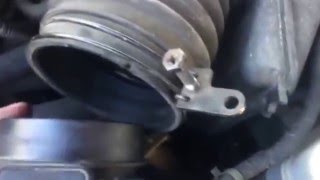
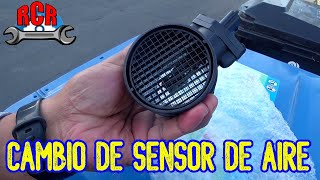
Yes, replacing the MAF sensor on a 1999-2011 Sonata is a straightforward job for a DIYer. It is typically held in place by two screws or clamps on the air intake duct. The process involves disconnecting the electrical connector, removing the old sensor, installing the new one, and reconnecting the plug. The entire job can usually be done in under 30 minutes with basic hand tools.
Frequently Asked Questions
Can I drive my Sonata with a bad MAF sensor?
You can, but it's not recommended for long. Driving with a bad MAF sensor can lead to poor performance, terrible fuel economy, and potentially damage other components like the catalytic converter over time. It's best to get it fixed as soon as you notice symptoms.
Where is the MAF sensor located on my Sonata?
Follow the air filter box. The MAF sensor is a small electronic part plugged into the large plastic air duct that runs from the air filter housing to the engine's throttle body. It will have an electrical wiring harness connected to it.
What's the difference between a MAF and a MAP sensor?
They sound similar but do different jobs. The MAF (Mass Air Flow) sensor measures the volume of air entering the engine. The MAP (Manifold Absolute Pressure) sensor measures the pressure inside the intake manifold. Your Sonata's computer uses data from both sensors to fine-tune engine operation.
Why is my check engine light still on after replacing the sensor?
The trouble code needs to be cleared from the car's computer. You can do this with a basic OBD-II scanner or by disconnecting the battery for about 15 minutes. If the light comes back on, there may be another issue, or the new sensor could be faulty or improperly calibrated, which is a risk with some aftermarket brands on Hyundai vehicles.
Helpful Videos

Technical Specifications
OEM Part Numbers: 28164-37100 28164-38200 28164-38210 28164-38080 28164-25000
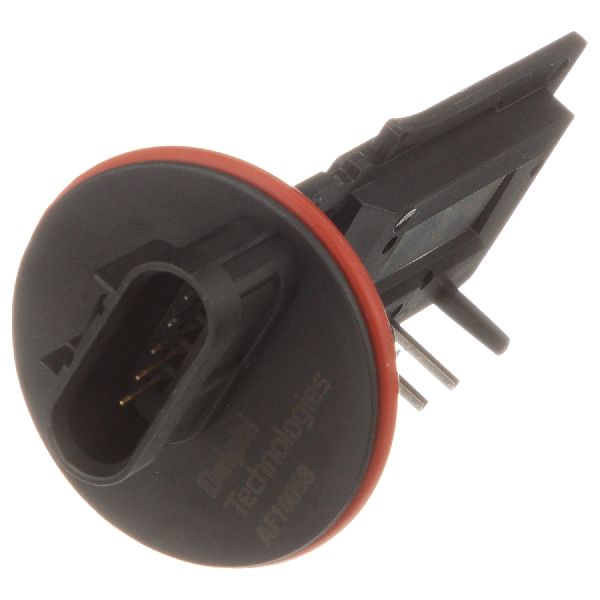
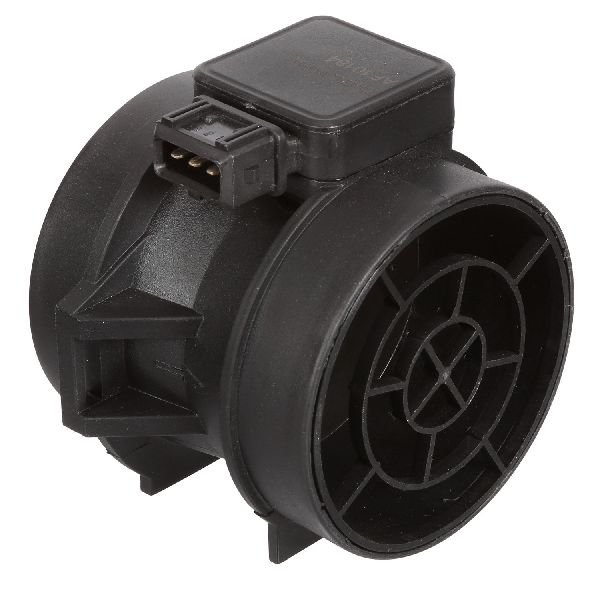
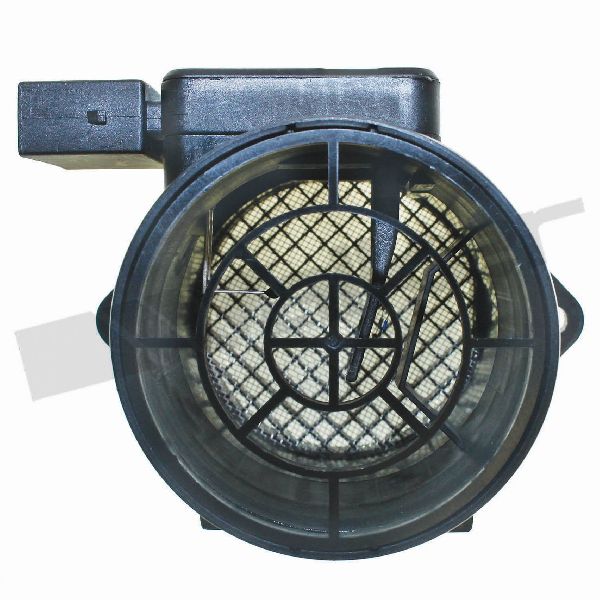
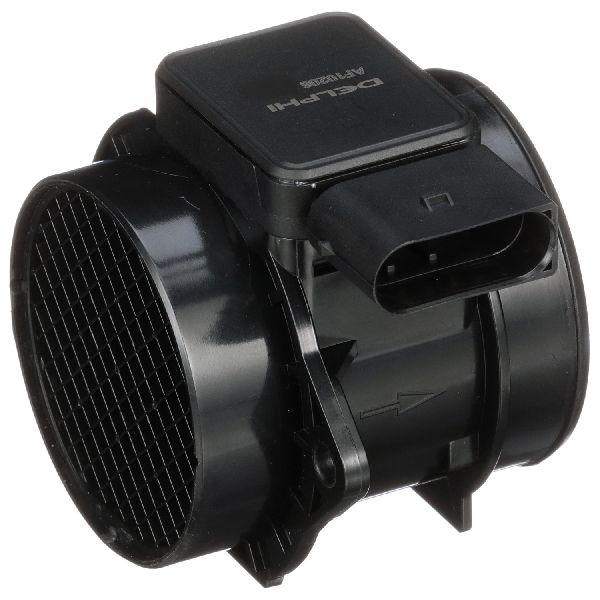
The MAF sensor for the Hyundai Sonata is typically a hot-wire or hot-film type sensor that includes the housing. It is located on the air intake duct between the air filter and the throttle body. The electrical connector quantity and shape can vary by specific year and engine, so visual confirmation against the old part is recommended.
We Have This Part in Stock



The information in this article is provided for general reference and educational purposes only. Vehicle specifications, procedures, and part compatibility can vary by production date, trim level, and region. Always consult your vehicle's factory service manual and verify part numbers before purchasing or performing repairs. Safety-critical components such as airbags, seat belts, and braking systems should be installed by a qualified professional.
- Hyundai Sonata:
- 🎬 Helpful Videos
- 🛍️ Shop This Part
- Is Your Sonata's MAF Sensor Failing?
- Symptoms of a Bad MAF Sensor
- Choosing the Right Aftermarket MAF Sensor
- Aftermarket Brand Tiers for Hyundai Sonata
- A Note on Remanufactured vs. New
- Known Issues, Recalls, and Bulletins
- DIY Replacement: Is it Feasible?
- Frequently Asked Questions
- 🎟️ Get 5% Off