

Choosing the Right Spark Plugs for Your 1999-2011 Hyundai Sonata
Keep your Sonata's engine running smoothly with the correct spark plugs and avoid common performance issues.
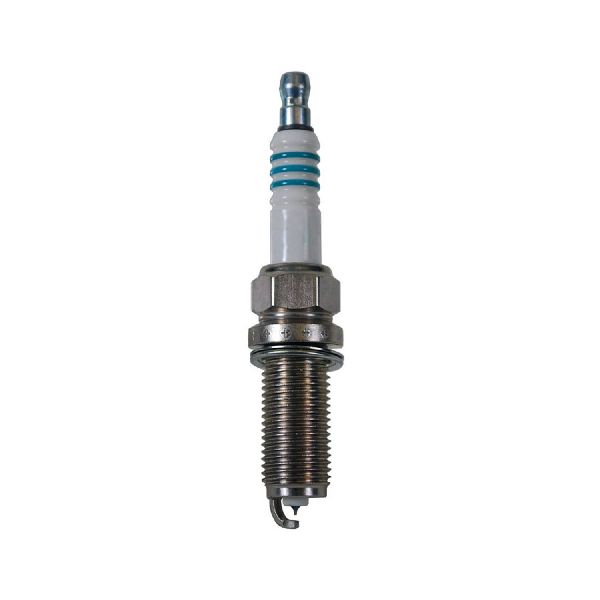
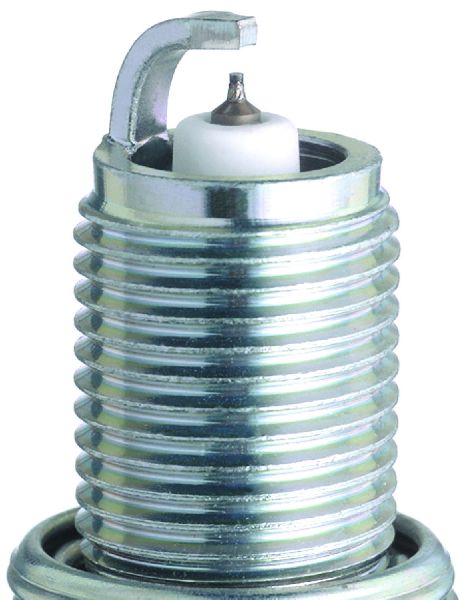
- For best results and longevity, use Iridium spark plugs from OEM-equivalent brands like NGK or Denso.
- Replacement on 4-cylinder engines is simple, but the V6 models require removing the intake manifold, a much more complex job.
- While most plugs are pre-gapped, always verify the gap before installation to ensure proper engine performance.
- Symptoms like a rough idle, poor acceleration, and a check engine light with P030X codes strongly point to needing new spark plugs.
Signs of Failing Spark Plugs

When your Sonata's spark plugs are wearing out, your car will give you several signs. Ignoring them can lead to more significant engine problems and costly repairs down the road. Look out for these common symptoms:
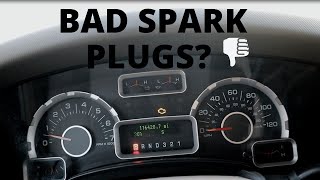
🎬 Watch: A visual guide to identifying bad spark plug symptoms.- Rough Idle: The engine may shake or vibrate more than usual when you're stopped.
- Engine Misfires: You might feel a hesitation or stumbling from the engine during acceleration. This is often accompanied by a flashing check engine light.
- Poor Acceleration: The car may feel sluggish and lack its usual power when you press the gas pedal.
- Reduced Fuel Economy: If you're stopping for gas more often than usual, worn spark plugs could be the culprit, as they cause inefficient fuel combustion.
- Difficulty Starting: Worn plugs have a harder time creating the spark needed to start the engine, especially in cold weather.
- Check Engine Light: A steady or flashing check engine light, especially with codes like P0300, P0301, P0302, P0303, or P0304, points directly to engine misfires.
Choosing the Right Aftermarket Spark Plugs

When shopping for new spark plugs, you'll find several types and brands. For the 1999-2011 Hyundai Sonata, sticking with known quality brands is your best bet. The original equipment (OEM) plugs were typically made by NGK or Denso.
Brand Tiers for Your Sonata
- Premium (OEM Equivalent): NGK & Denso
These brands are often the original suppliers to Hyundai. Choosing their Iridium or Platinum options provides the best performance and longest life, often lasting up to 100,000 miles. They are engineered to the exact specifications of your Sonata's engine. - Quality Aftermarket: Bosch & Autolite
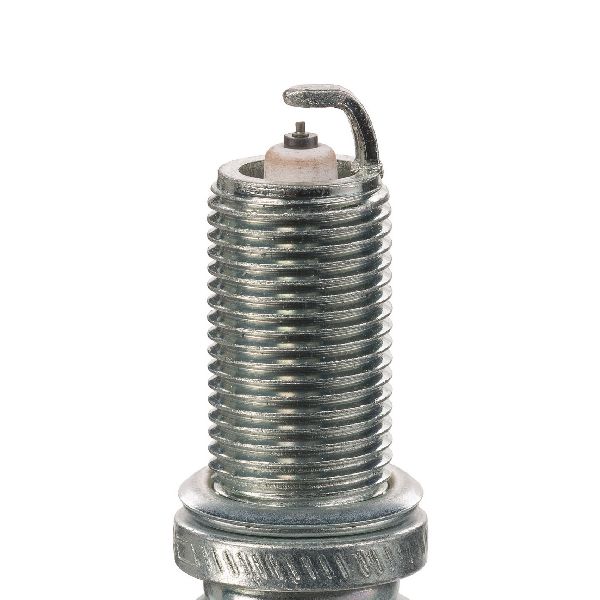
Bosch and Autolite offer reliable double platinum and iridium spark plugs that are a great alternative to OEM. They provide excellent performance and durability at a competitive price point. - Standard/Budget: Champion
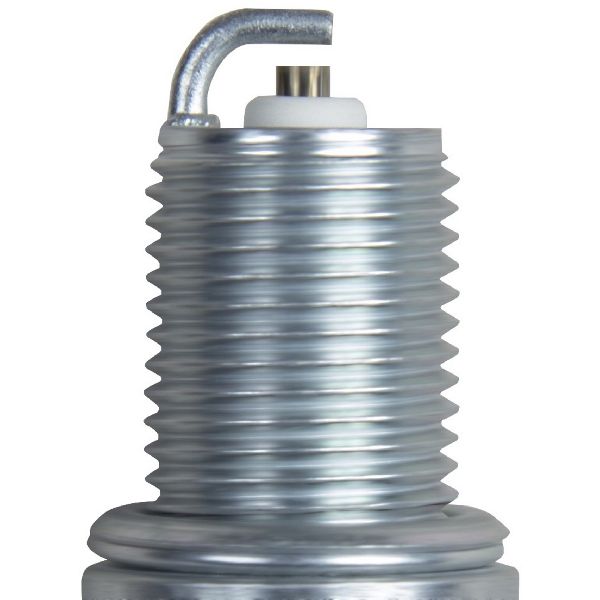
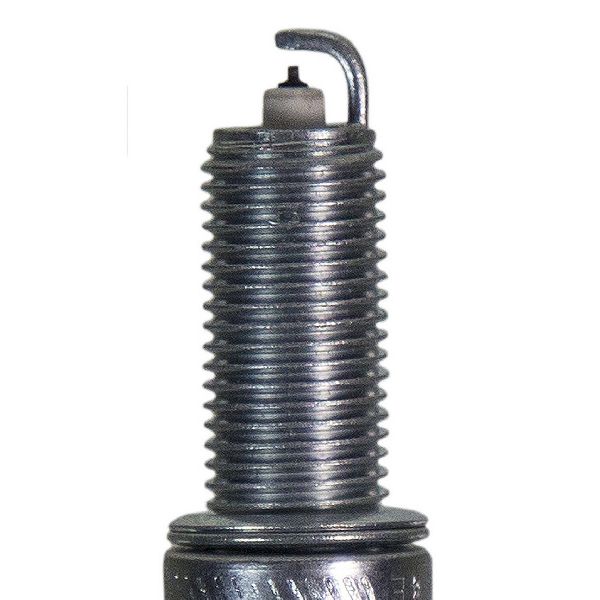
Champion offers basic copper and platinum plugs that will get the job done. While they are more affordable, they generally have a shorter service life compared to iridium or double platinum plugs and may need to be replaced more frequently, around every 30,000 miles. - Note on Motorcraft: While listed as available, Motorcraft is Ford's official parts brand. It's unusual to use them on a Hyundai, and it's generally best to stick with brands that specialize in Asian vehicles like NGK or Denso.
Pro Tip: Iridium vs. Platinum
Most Sonatas in this year range came with long-life platinum or iridium spark plugs from the factory. It's highly recommended to replace them with the same type. Iridium plugs offer the best performance and longest life, often exceeding 95,000 miles. While they cost more initially, their longevity makes them a good value.
Generation and Engine Differences

The 1999-2011 Sonata spans two generations with different engines, which affects spark plug replacement.
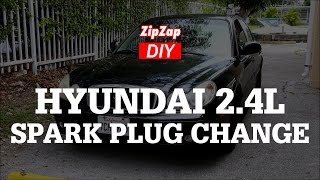
- 4-Cylinder Engines (2.4L): On these engines, the spark plugs are located right on top and are very easy to access. The job is straightforward and can typically be done in under an hour with basic tools. 🎬 See this 2.4L spark plug replacement walkthrough and tool list.
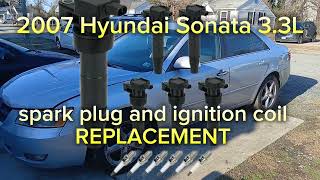
- V6 Engines (2.5L, 2.7L, 3.3L): This is a more challenging job. While the front three spark plugs are easy to get to, the rear three are located underneath the upper intake manifold. This manifold must be removed to access the plugs, which adds significant time and complexity to the job. If you're doing this yourself, be prepared for a 2-4 hour job and make sure to replace the intake manifold gaskets at the same time. 🎬 Watch: How to access and change spark plugs on V6 engines.
Warning for V6 Owners
Replacing the spark plugs on the 3.3L V6 engine is a difficult task for a beginner. It requires removing the intake plenum. If you are not comfortable with this level of work, it is best to have a professional mechanic do the job to avoid potential damage.
Estimated Costs

| Item | Estimated Cost |
|---|---|
| New Aftermarket Spark Plugs | $3.50 - $55.95 (per plug) |
| New OEM Spark Plugs | $25 - $35 (per plug) |
| Shop Labor | $124 - $445 |
| Total Professional Replacement | $243 - $563+ |
Costs are estimates and can vary based on your location, vehicle engine (4-cyl vs. V6), and the specific parts chosen. V6 labor costs will be significantly higher than 4-cylinder costs.
Frequently Asked Questions (FAQ)
How often should I change my Sonata's spark plugs?
For models with original iridium or platinum plugs, the recommended interval is typically around every 95,000 to 100,000 miles. If you use standard copper plugs, the interval is much shorter, around 30,000 miles. Always check your owner's manual for the specific interval for your vehicle.
Do I need to gap the spark plugs for my Sonata?
Most modern spark plugs from quality brands like NGK and Denso come pre-gapped for your vehicle. However, it is always a good practice to double-check the gap with a feeler gauge before installation, as they can be knocked out of spec during shipping. Dropping a plug is a common way to close the gap, so handle them carefully.
Is it hard to change the spark plugs myself?
For a 4-cylinder Sonata, it's a relatively easy DIY job. For a V6 Sonata, it is much more difficult due to the need to remove the intake manifold to access the rear plugs. If you have a V6 and are not an experienced DIY mechanic, professional installation is recommended.
What happens if I find oil on my spark plugs?
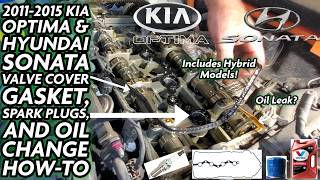
If you pull out the ignition coil and find oil in the spark plug tube, it's a sign that your valve cover gasket and/or spark plug tube seals are leaking. These gaskets become brittle over time and fail. The gaskets must be replaced to stop the leak, as oil can cause the ignition coil to fail and lead to misfires.
Were there any recalls for spark plugs on the 1999-2011 Sonata?
No, searches of the National Highway Traffic Safety Administration (NHTSA) database did not find any recalls specifically related to spark plugs for the 1999-2011 Hyundai Sonata.
Helpful Videos
Technical Specifications
OEM Part Numbers: 18814-11051 27410-37100 18839-11051 18846-11070 PFR5N-11 PGR5C-11 BKR5ES-11
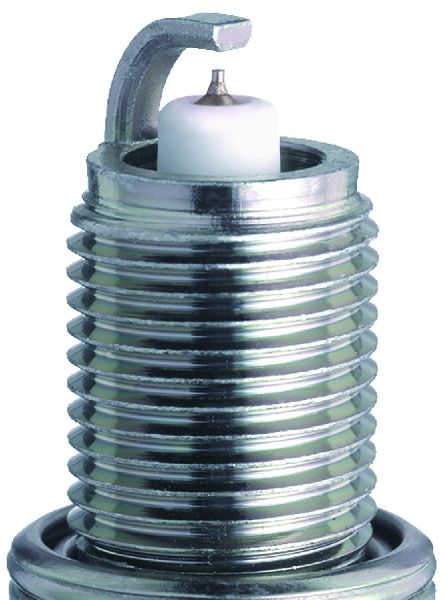
Spark plug requirements vary by engine (2.4L 4-Cylinder, 2.5L V6, 2.7L V6, 3.3L V6). Most originally used platinum or iridium plugs. The gap specification is critical and typically ranges from 0.039 to 0.043 inches (1.0-1.1mm), but always verify the correct spec for your specific engine.
We Have This Part in Stock

The information in this article is provided for general reference and educational purposes only. Vehicle specifications, procedures, and part compatibility can vary by production date, trim level, and region. Always consult your vehicle's factory service manual and verify part numbers before purchasing or performing repairs. Safety-critical components such as airbags, seat belts, and braking systems should be installed by a qualified professional.
- Hyundai Sonata: