

Saab 9-3 Radiator Coolant Hose Guide (1999-2011)
Keeping your Saab 9-3's engine cool is critical; here is what you need to know about its radiator hoses.
- For 2003+ 2.0T models, the plastic upper hose T-connector is a common failure point and should be replaced preventatively.
- Use molded, vehicle-specific hoses; universal hoses can kink and cause problems.
- Brands like Continental, Gates, CRP/Rein, and Professional Parts Sweden offer reliable, OEM-quality replacements.
- Always inspect hoses for cracks, swelling, or softness during routine maintenance to catch problems early.
Symptoms of a Failing Radiator Hose
A bad radiator hose on your Saab 9-3 will show several warning signs. Being aware of these can help you prevent a catastrophic failure that leaves you stranded.
- Coolant Leaks: This is the most obvious sign. You might see puddles of green, blue, or orange fluid under the front of your car. Sometimes, the leak is a slow seep at the connection points, leaving a crusty residue.
- Engine Overheating: If a hose is leaking, collapsed, or clogged, it can't circulate coolant properly, causing your engine temperature gauge to rise. This is a serious issue that requires immediate attention.
- Visible Hose Damage: Inspect your hoses regularly. Look for cracks, splits, swelling, or soft, spongy spots. Hoses can also become hard and brittle over time. A collapsed hose is a clear sign of a problem within the cooling system or a failed hose.
- Low Coolant Light: If you constantly have to add coolant to the reservoir, you likely have a leak somewhere in the system, and the hoses are a common culprit.
A Special Note for 2003+ Saab 9-3 2.0T (B207) Owners
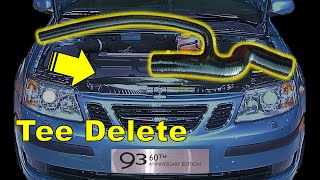
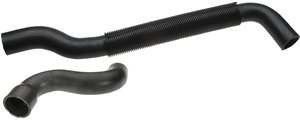
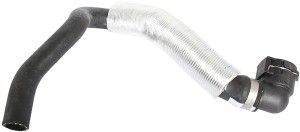
The upper radiator hose on 4-cylinder turbo models from 2003 onwards includes a plastic T-piece that connects to a smaller hose from the turbo. This plastic connector is a notorious failure point. It becomes brittle with age and can break without warning, causing a massive and sudden coolant loss. It is highly recommended to replace this component preventatively with an upgraded aluminum T-piece or a one-piece silicone hose assembly.
🎬 Watch how to install a durable one-piece silicone hose upgrade.Choosing the Right Aftermarket Hose
When replacing a radiator hose on your Saab 9-3, you have several options. While original Saab hoses were high quality, many are no longer available, and aftermarket parts are the most common choice.
It's crucial to use a hose specifically molded for your Saab's year and engine. Universal hoses are not recommended, as the precise bends are necessary to avoid kinking or rubbing, which can lead to another failure.
Aftermarket Brand Tiers
Not all aftermarket brands are created equal. Here’s a general breakdown of the brands available:
- OEM-Quality & Specialist Brands (Continental, CRP/Rein, Gates, Professional Parts Sweden): These brands often supply parts directly to car manufacturers and are known for excellent fit and material quality. Continental, Gates, and CRP (sold as Rein) are trusted names in the industry. Professional Parts Sweden (PPS) specializes in Saab and Volvo parts and is generally well-regarded for quality and fit, making it a strong choice.
- Standard Aftermarket (Dayco): Dayco is a well-known brand that produces reliable, standard-replacement parts that meet or exceed OEM specifications. They are a solid, cost-effective choice for most repairs.
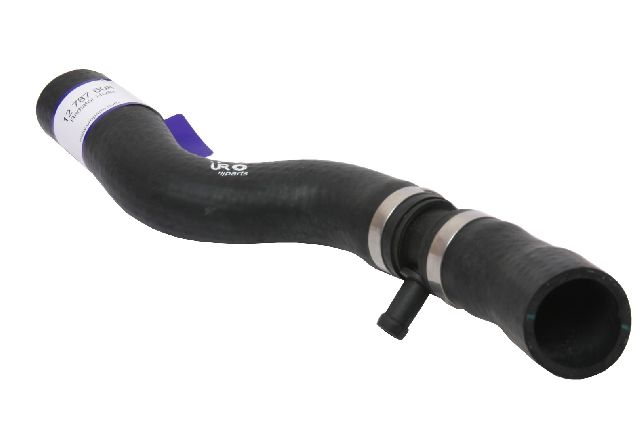
- Budget-Friendly (URO Parts): URO Parts offers a more affordable option. While they can be a good value, their quality can sometimes be inconsistent. For a critical part like a radiator hose, it may be wiser to invest in a higher-tier brand, especially for the problematic upper T-hose on 2.0T models. 🎬 Learn how to replace the fragile plastic coolant T-connector.
Pro Tip: When replacing any radiator hose, it's also a good idea to replace the hose clamps. Spring-style clamps can lose tension over time, and worm-gear clamps can be over-tightened, damaging the hose. New clamps are cheap insurance against future leaks.
| Part/Service | Estimated Cost |
|---|---|
| New Aftermarket Hose | $10 - $61 |
| Shop Labor | $100 - $250 |
| Coolant (if replaced) | $20 - $40 |
Frequently Asked Questions
Do I need to replace all my hoses at once?
While not strictly necessary, it is good practice. Radiator hoses are exposed to the same heat and pressure, so they tend to age at a similar rate. If one has failed due to age, others are likely not far behind. Replacing them all at once can save you from future breakdowns.
What kind of coolant should I use in my Saab 9-3?
Your Saab requires a specific type of coolant that is safe for aluminum engines, typically an OAT (Organic Acid Technology) formula that is phosphate-free. Using the wrong type can cause corrosion or gunk to build up. Always check your owner's manual or a reliable source for the correct coolant specification for your model year.
Was there a recall on Saab 9-3 radiator hoses?
No, there have been no specific recalls issued by the NHTSA for radiator coolant hoses on the 1999-2011 Saab 9-3. However, the failure of the plastic T-connector on 2003+ 2.0T models is a widely documented issue among owners.
How difficult is it to replace a radiator hose myself?
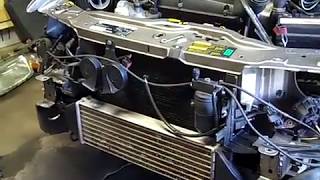
For a DIYer with some experience, replacing a radiator hose is generally straightforward. The main challenges are draining the coolant without making a mess and accessing the clamps, which can be in tight spaces. The upper hose is usually easier 🎬 See a step-by-step radiator hose replacement on a classic 9-3. than the lower hose. Remember to properly bleed the air out of the cooling system after refilling it.
Helpful Videos

Technical Specifications
OEM Part Numbers: 12787608 4963872 55558952 12787815 12785038 4876207
Hoses are typically made from EPDM rubber or silicone and are pre-molded to fit specific engine configurations (e.g., 2.0L Turbo, 2.8L V6). The 2003+ 2.0T upper hose assembly originally featured a failure-prone plastic T-connector.
We Have This Part in Stock

The information in this article is provided for general reference and educational purposes only. Vehicle specifications, procedures, and part compatibility can vary by production date, trim level, and region. Always consult your vehicle's factory service manual and verify part numbers before purchasing or performing repairs. Safety-critical components such as airbags, seat belts, and braking systems should be installed by a qualified professional.
- Saab 9-3: