

A Guide to Replacing Suspension Stabilizer Links on the 1999-2011 Saab 9-3
Fix clunking sounds and restore your Saab's responsive handling by choosing the right stabilizer bar links.
- The most common symptom of a bad link is a clunking noise over bumps.
- Always replace stabilizer links in pairs to maintain balanced handling.
- Verify the correct part for your Saab 9-3's specific generation (Gen 1: 1999-02 vs. Gen 2: 2003-11) and drivetrain (FWD vs. XWD).
- Premium brands like Moog or Delphi often provide better longevity compared to budget options.
Is It Time to Replace Your Saab 9-3's Stabilizer Links?
The most common sign of a failing stabilizer bar link is a distinct clunking or rattling noise from the front or rear suspension. This sound is especially noticeable when driving over small bumps, uneven roads, or during turns at low speeds. Other symptoms include a feeling of excessive body roll when cornering, making the car feel less stable, or a looser, less responsive steering feel. A visual inspection might reveal a broken link or a torn rubber boot on the joint.
Generation and Drivetrain Matter
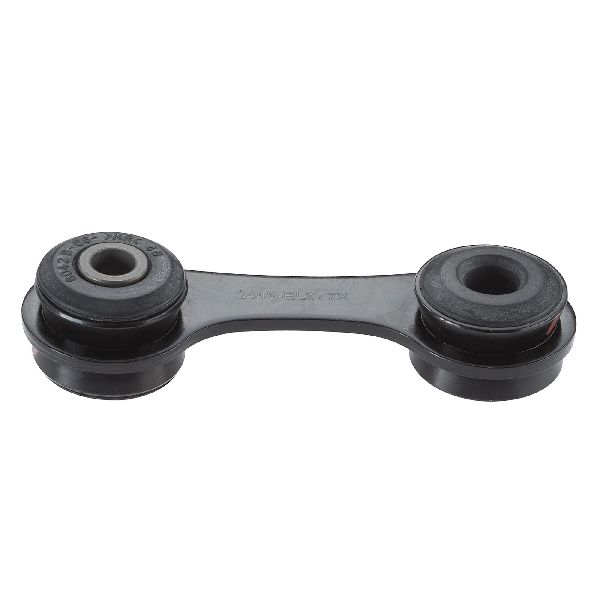
The 1999-2011 Saab 9-3 spans two very different vehicle platforms. The first generation (1999-2002 and 2003 convertible) is based on the GM2900 platform, while the second generation (2003-2011) uses the Epsilon platform. Front and rear stabilizer links are often different between these generations and can also vary between Front-Wheel Drive (FWD) and All-Wheel Drive (XWD) models. Always verify the exact part for your specific year, model, and drivetrain to avoid ordering mistakes.
🎬 Watch a step-by-step guide for front stabilizer link replacement.Choosing the Right Aftermarket Link for Your Saab
When replacing stabilizer links, you have several aftermarket brands to choose from. They generally fall into a few quality tiers, which can affect longevity and performance.
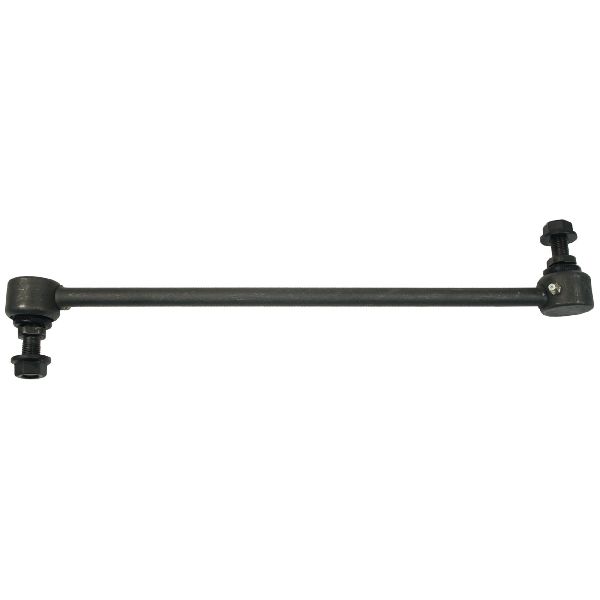
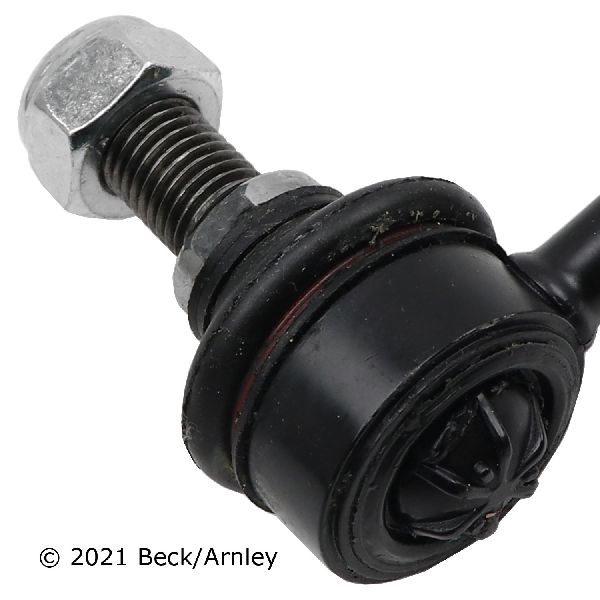
- Premium Brands (Moog, Delphi, Beck Arnley): These brands are often considered top-tier aftermarket choices. Moog is well-known for its "Problem Solver" designs which can be more robust than the original part and often include grease fittings for longer life. Delphi is a major OEM supplier, so their parts are typically trusted for quality and fit, with some Saab owners on forums expressing a preference for them. Beck Arnley focuses on matching the original part's form and function, sometimes sourcing from the original equipment manufacturer.
- Standard/OEM-Equivalent Brands (Vaico, Meyle): Brands like Vaico and Meyle are often made in Europe and are considered good quality, reliable replacements that meet or exceed OEM specifications. They are a solid choice for owners looking for a balance of quality and price.
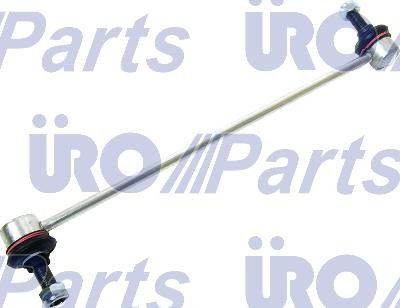
- Economy Brands (URO Parts, QuickSteer, Skyward, Suspensia): These brands offer a budget-friendly option. While they will restore function, their longevity can be mixed according to forum discussions. They can be a good choice for a quick fix or if the budget is the primary concern, but they may wear out faster than premium alternatives.
Pro Tip: It is highly recommended to replace stabilizer links in pairs (both front or both rear) to ensure balanced handling and predictable performance. Since the job requires lifting the front or rear of the car, replacing both at the same time is efficient.
How Much Should a Stabilizer Link Replacement Cost?
Replacing stabilizer bar links is a relatively inexpensive repair. The parts themselves are affordable, and the labor involved is straightforward for a professional mechanic or an experienced DIYer.
🎬 See how easy it is to replace these links yourself.| Item | Estimated Cost |
|---|---|
| New Aftermarket Stabilizer Link (Single) | $13.20 - $67.99 |
| Shop Labor (Per Pair) | $100 - $200 |
| Total Estimated Cost (Pair, Installed) | $126 - $336 |
Cost estimates are for a pair of links and can vary based on location, vehicle specifics, and the repair shop's hourly rates.
Known Issues, Recalls, and Service Bulletins
While there are no widespread recalls specifically for the stabilizer bar links on the 1999-2011 Saab 9-3, there was a recall for the rear toe link on the related 2011 Saab 9-4X, which can cause similar symptoms like swaying or unusual noises from the rear. A Technical Service Bulletin (TSB #632) was issued for the 2001 9-3 to address a popping noise from the front suspension, which could be related to stabilizer links or other suspension components. Another TSB for the second-generation 9-3 addresses corrosion on front coil springs, which can also cause suspension noises. It's important to correctly diagnose the source of any noise before replacing parts.
Frequently Asked Questions
Do I need a wheel alignment after replacing the stabilizer links?
Generally, no. Replacing the stabilizer bar links does not change the primary suspension geometry angles like camber, caster, or toe. Therefore, a wheel alignment is not typically required after this specific job.
Can I replace just one broken link?
While you can replace just the one that failed, it is strongly recommended to replace them as a pair on the same axle. The other link has experienced the same amount of wear and is likely to fail soon. Replacing both ensures even suspension performance and saves you from having to do the job again in the near future.
How difficult is this job to do myself?
For a DIY mechanic with a good set of tools, this is a relatively easy job. The key is to have the front or rear of the car safely supported on jack stands with both wheels off the ground to take the tension off the stabilizer bar. You will need wrenches and sockets, and possibly a penetrating oil to loosen rusty nuts.
🎬 Check out this quick fix video for sway bar links.What's the difference between front and rear links?
Front and rear stabilizer links are not interchangeable. They have different lengths, and sometimes different designs, to fit their specific location on the car. Always ensure you are purchasing the correct link for the front or rear axle.
Helpful Videos
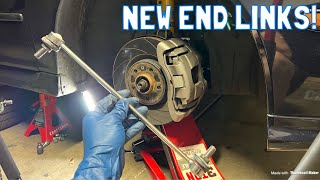
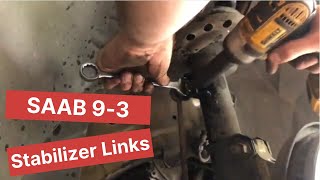
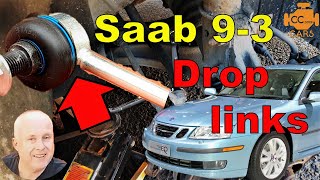
Technical Specifications
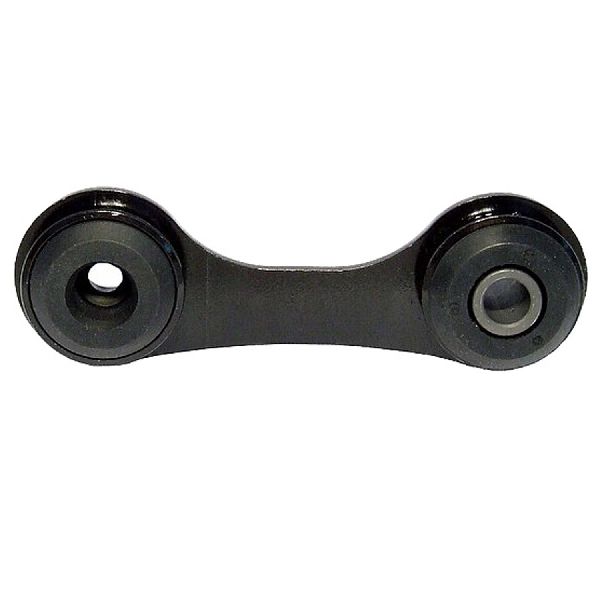
OEM Part Numbers: 13237130 24417251
The front stabilizer link for the second generation (2003-2011) Saab 9-3 is approximately 352mm from center-to-center and features a ball socket on both ends. The first generation links have a different design and length. Tool sizes for replacement can vary between OEM and aftermarket parts, commonly requiring 17mm, 18mm, or 19mm wrenches and sockets.
We Have This Part in Stock

The information in this article is provided for general reference and educational purposes only. Vehicle specifications, procedures, and part compatibility can vary by production date, trim level, and region. Always consult your vehicle's factory service manual and verify part numbers before purchasing or performing repairs. Safety-critical components such as airbags, seat belts, and braking systems should be installed by a qualified professional.
- Saab 9-3:
- 🎬 Helpful Videos
- 🛍️ Shop This Part
- Is It Time to Replace Your Saab 9-3's Stabilizer Links?
- Generation and Drivetrain Matter
- Choosing the Right Aftermarket Link for Your Saab
- How Much Should a Stabilizer Link Replacement Cost?
- Known Issues, Recalls, and Service Bulletins
- Frequently Asked Questions
- 🎟️ Get 5% Off