

A Guide to Choosing Replacement Brake Pads for Your 1999-2011 Saab 9-5
Get the right stopping power and quiet performance by selecting the perfect aftermarket brake pad set for your specific Saab 9-5.
- First, identify your vehicle's generation: Gen 1 (1999-2009) or Gen 2 (2010-2011), as they use different brake parts.
- For a quiet, low-dust daily driver experience, Akebono ceramic pads are highly recommended by other Saab owners.
- If you want to restore the original factory braking feel, choose an OE-supplier brand like Textar, Pagid, or ATE.
- During replacement, it is critical to clean and lubricate the caliper slider pins and pad contact points to prevent noise and ensure proper function.
Signs of Worn Brake Pads
Your Saab 9-5 will give you several clear signs when the brake pads are nearing the end of their life. Ignoring them can lead to more expensive repairs, like needing to replace the brake rotors. Be aware of these common symptoms:
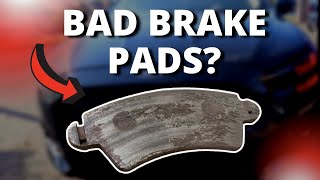
- Squealing or Screeching Noises: Many brake pads have a small metal tab called a wear indicator. When the pad material wears down, this tab contacts the rotor and makes a high-pitched noise, telling you it's time for a replacement.
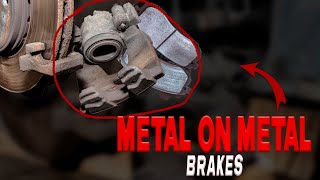
- Grinding Sounds: If you hear a deep, metallic grinding, it's a serious issue. This often means the pad material is completely gone, and the metal backing plate is grinding against the rotor, causing significant damage.
- Vibration or Pulsing in the Pedal: A pulsing sensation when you brake can be caused by unevenly worn pads or warped brake rotors. Sometimes, pad material can transfer unevenly to the rotor surface, causing this vibration.
- Longer Stopping Distances: If you notice your car takes longer to stop than it used to, your brake pads may be too worn to create enough friction.
Important: Two Generations of Saab 9-5
The 1999-2011 model years cover two completely different vehicles. Brake parts are NOT interchangeable between them. You must correctly identify your car before ordering parts.
- First Generation (Gen 1): Model Years 1999-2009. This is the classic Saab 9-5 (chassis code YS3E). 🎬 Watch: Step-by-step front brake and rotor replacement for Gen 1 models. Most online forums and DIY videos refer to this model.
- Second Generation (Gen 2): Model Years 2010-2011. This is a completely redesigned car based on a General Motors platform (chassis code YS3G). It shares some parts with the Buick LaCrosse and Regal GS. 🎬 See how to use GM parts for Gen 2 rear brakes.
Always verify the correct part fitment for your specific year and trim level (e.g., Aero, Linear, Arc) as brake sizes can vary even within the same generation.
Choosing the Right Aftermarket Brake Pads
Aftermarket pads offer a wide range of options to suit your driving style and budget. They can be grouped into several categories.
Tier 1: OE-Style Replacement
These brands are often the original equipment (OE) suppliers to Saab and other European manufacturers. They provide a balanced, factory-like performance in terms of stopping power, noise, and durability. They are an excellent choice if you were happy with the original brakes.
- Textar: A well-regarded German brand known for being an OE supplier. Expect solid, all-around performance similar to the original pads.
- Pagid: Another OE supplier that delivers reliable, quiet braking performance.
- ATE: Often an OE supplier, ATE pads are engineered for a factory-correct fit and feel.
- Brembo (OE Line): While famous for performance brakes, Brembo's standard replacement pads are designed to meet or exceed original specifications and are a trusted choice.
Tier 2: Low-Dust & Quiet (Daily Driver Upgrade)
If your main goal is to keep your Saab's wheels clean without sacrificing safety, ceramic brake pads are the answer. They are a popular upgrade for daily drivers.
- Akebono: Highly recommended by Saab owners for their extremely low dust output and quiet operation. They provide smooth, consistent stopping power perfect for everyday driving.
- Bosch (QuietCast): This line uses ceramic and semi-metallic formulas to deliver quiet performance and low dust, making them a strong contender for a daily-driven 9-5.
Tier 3: Performance (For Spirited Driving)
For owners of Aero models or those who enjoy more spirited driving, performance-oriented pads offer a stronger initial bite and better resistance to brake fade at high temperatures. The trade-off is often more dust and a higher chance of noise.
- EBC Brakes: A very popular brand among enthusiasts.
- Redstuff: A ceramic performance pad that offers a good step up in stopping power. It can produce some sticky dust and may occasionally squeak at low speeds.
- Yellowstuff: A more aggressive pad for fast road or light track use. Expect more dust than Redstuff but even better high-temperature performance.
- Hawk Performance: Another leading name in performance brakes, offering various compounds from street performance to full-race applications.
Tier 4: Standard & Budget-Friendly
These brands provide safe, reliable braking for everyday use at an affordable price point. They are a great option for budget-conscious repairs.
- Centric / StopTech: A massive aftermarket supplier offering a wide range of pads from basic replacements to performance kits.
- Raybestos: A long-standing brand offering dependable pads that meet federal safety standards.
- Wagner Brakes: Known for their OEX line, Wagner provides quality standard replacement pads.
| Pad Type | Typical Price Range | Best For |
|---|---|---|
| Standard / Budget | $20 - $50 | Basic transportation, budget repairs |
| OE-Style Replacement | $50 - $100 | Restoring factory performance and feel |
| Low-Dust Ceramic | $60 - $120 | Daily driving, clean wheels, quiet operation |
| Performance | $100 - $250+ | Spirited driving, enhanced stopping power |
Frequently Asked Questions (FAQ)
Do I need to replace my rotors with my pads?
It is highly recommended. If your rotors are below the minimum thickness (stamped on the rotor hub), have a large lip on the edge, or show signs of heavy scoring or heat spots, they must be replaced. Installing new pads on old, worn rotors will reduce braking performance and cause the new pads to wear out prematurely. For best results, always install new pads and rotors together.
What's the difference between ceramic and semi-metallic pads?
Ceramic pads are known for being very quiet and producing fine, light-colored dust that doesn't stick to wheels. They offer great performance for daily driving. Semi-metallic pads can handle higher temperatures, often have a stronger initial "bite," and are better for performance or heavy-duty use. However, they are typically noisier and produce more dark, noticeable dust.
Does my Saab 9-5 have brake wear sensors?
Most Saab 9-5 models do not use electronic brake wear sensors. Instead, they rely on the mechanical audible wear indicators—the small metal tabs that screech when the pads are low. You should not need to order separate electronic sensors for this vehicle.
What is "bedding in" and do I need to do it?
Yes. Bedding-in is the process of breaking in your new pads and rotors. It involves a series of controlled stops to transfer an even layer of friction material from the pad to the rotor. This ensures smooth, quiet, and powerful braking. Follow the specific procedure recommended by the pad manufacturer, as it can vary. A typical procedure involves several moderate stops from around 40-50 mph without coming to a complete stop, followed by a cool-down period.
🎬 Watch this guide to learn how to bed in brakes properly.Helpful Videos
Technical Specifications
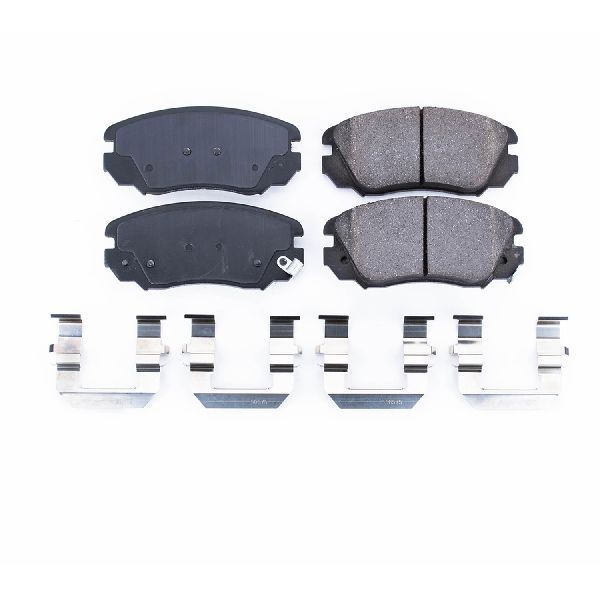
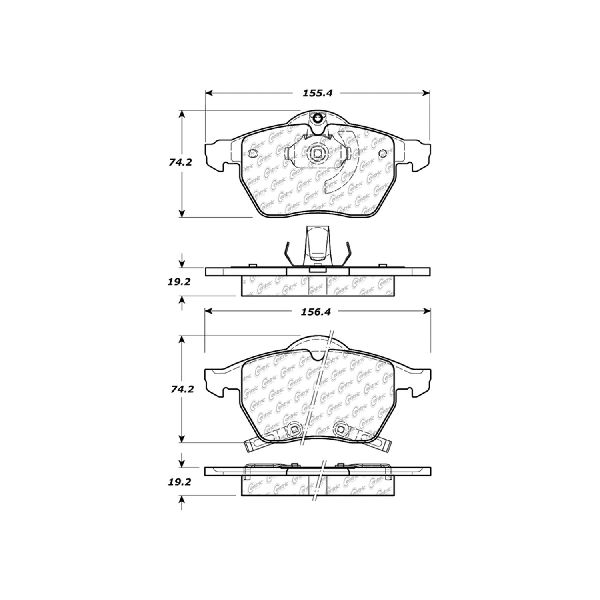
Brake pad sets vary significantly based on model year, trim level (Linear, Arc, Aero), and whether it is a Gen 1 (YS3E) or Gen 2 (YS3G) chassis. Front and rear pads are different and sold separately. Always confirm fitment using your vehicle's VIN before purchasing.
We Have This Part in Stock
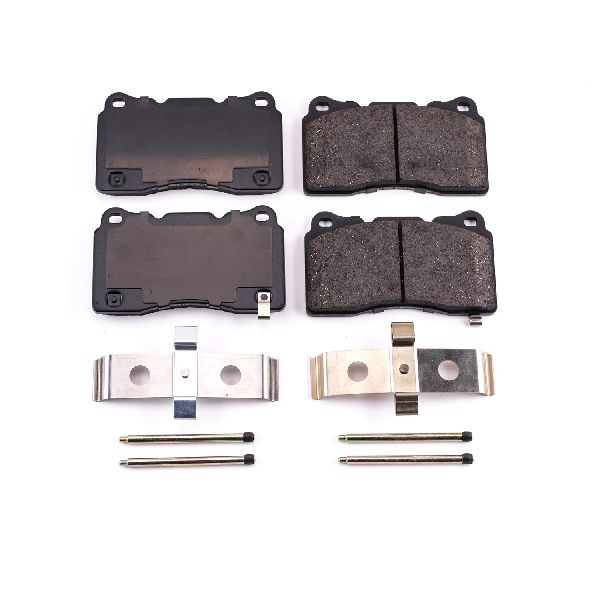
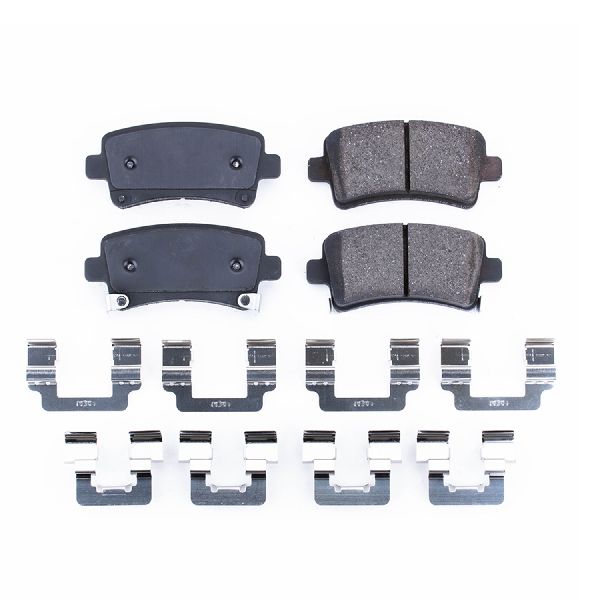
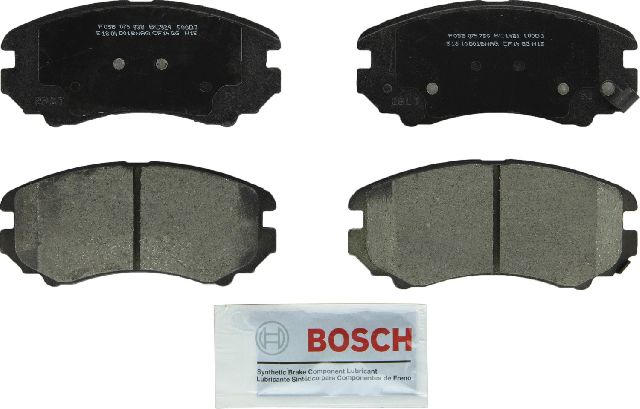
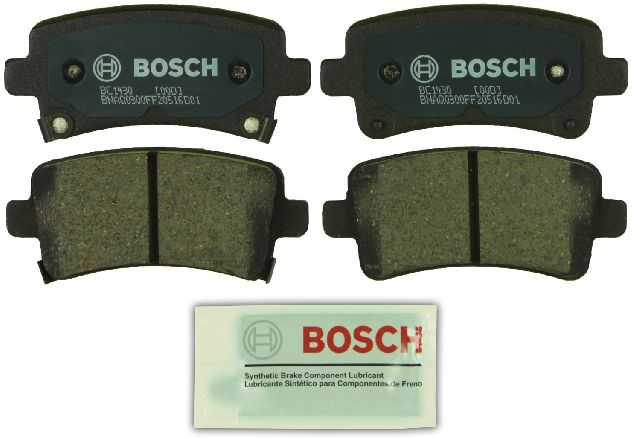

The information in this article is provided for general reference and educational purposes only. Vehicle specifications, procedures, and part compatibility can vary by production date, trim level, and region. Always consult your vehicle's factory service manual and verify part numbers before purchasing or performing repairs. Safety-critical components such as airbags, seat belts, and braking systems should be installed by a qualified professional.
- Saab 9-5:
- 🎬 Helpful Videos
- 🛍️ Shop This Part
- Signs of Worn Brake Pads
- Important: Two Generations of Saab 9-5
- Choosing the Right Aftermarket Brake Pads
- Tier 1: OE-Style Replacement
- Tier 2: Low-Dust & Quiet (Daily Driver Upgrade)
- Tier 3: Performance (For Spirited Driving)
- Tier 4: Standard & Budget-Friendly
- Frequently Asked Questions (FAQ)
- 🎟️ Get 5% Off