

A Guide to Aftermarket Disc Brake Rotors for the 1999-2011 Saab 9-5
Choosing the right replacement brake rotors for your Saab 9-5 is critical for safety and performance.
- You must verify the correct rotor diameter (e.g., 308mm, 288mm) for your specific 9-5 year and trim before ordering.
- Symptoms like vibration, noise, or visible grooves mean your rotors need inspection and likely replacement.
- For most owners, a high-quality coated aftermarket rotor from a brand like ATE or Zimmermann offers the best balance of performance and value.
- Be prepared for stuck rear rotors due to the integrated parking brake; you may need to retract the adjuster.
Signs of Failing Brake Rotors
Worn or failing brake rotors will almost always let you know there’s a problem. Ignoring these signs can lead to more expensive repairs and unsafe driving conditions. Look out for these common symptoms:
🎬 Watch: A quick guide to the top symptoms of bad rotors.- Pulsing or Vibration: You may feel a pulsing in the brake pedal or a vibration in the steering wheel when you apply the brakes. This is often caused by a warped rotor, where the surface is no longer perfectly flat.
- Grinding or Squealing Noises: A loud grinding sound means the brake pads are likely worn completely through and metal is grinding against the rotor. Squealing can also indicate worn pads or glazed rotors.
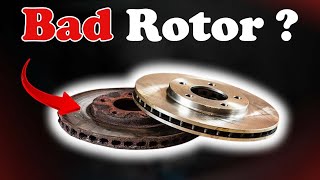
- Visible Damage: A visual inspection can reveal a lot. Look for deep grooves, scoring, cracks, or a blueish discoloration on the rotor surface, which indicates overheating. A significant lip on the outer edge of the rotor is another sign of heavy wear.
- Reduced Stopping Power: If your car takes longer to stop than it used to, your brake rotors may be too thin or worn to work effectively.
Common Ordering Mistake: Incorrect Rotor Size
The Saab 9-5 used many different brake rotor sizes across its model years and trim levels, especially between standard, Aero, and second-generation (2010-2011) models. Front rotor diameters can be 288mm, 308mm, or 296mm, while rears can be 286mm, 300mm, or 292mm, and can be solid or vented. Always confirm the exact size your specific vehicle requires before ordering. Check your owner's manual, measure the old rotor, or look for brake codes on the vehicle's VIN plate.
Choosing the Right Aftermarket Rotor for Your 9-5
Original Equipment (OEM) Saab rotors were high quality, but many aftermarket options meet or exceed that standard. For a daily-driven 9-5, a quality aftermarket rotor offers the best value. Brands like ATE and Zimmermann are frequently recommended by Saab specialists as OEM-equivalent and often come with a protective coating to prevent rust on the hub and edges.
Brand Tiers for Saab 9-5 Rotors
| Tier | Brands | Best For |
|---|---|---|
| Premium / OEM-Spec | ATE (Coated), Zimmermann (Coat Z), Brembo (OEM Line), Pagid | Daily driving and owners who want original factory performance and longevity. The coating on ATE and Zimmermann rotors helps prevent rust, which is a plus for appearance and service life. |
| Daily Driver / Standard Replacement | Bosch (QuietCast), Centric, Raybestos, Pronto | Affordable and reliable choice for normal commuting. These brands provide safe, dependable performance that meets or exceeds standard requirements. |
| Performance / Enthusiast | EBC Brakes (USR Slotted), Hawk, Powerstop (Drilled & Slotted), Brembo (Performance Line) | Spirited driving, modified cars, or owners seeking improved bite and fade resistance. Drilled and slotted rotors can help in wet conditions and with heat dissipation but may create more noise and pad wear. Some users report Powerstop rotors may warp faster under heavy use. |
A Note on Coated Rotors
Many premium aftermarket rotors from brands like ATE and Zimmermann come with a zinc or Geomet coating. This coating is designed to prevent rust and should not be cleaned off with brake cleaner before installation. The coating on the pad surface will wear away normally during the first few stops.
Vehicle-Specific Issues & Installation Tips
While replacing rotors on a 9-5 is straightforward for a DIYer, there are a couple of common issues to be aware of.
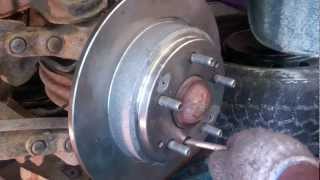
- Stuck Rear Rotors: The rear rotor on a 9-5 also serves as the drum for the parking brake. The parking brake shoes can wear a groove into the inside of the rotor hat, making it very difficult to pull off. If the rotor is stuck, you may need to back off the parking brake adjuster through the small access hole in the rotor face before it will come free. 🎬 See how to remove a rear rotor stuck on the parking brake.
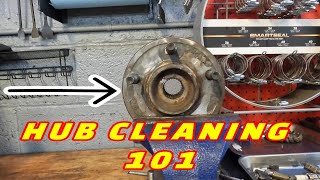
- Hub Corrosion: Rust can build up on the wheel hub where the rotor sits. It is critical to clean this surface thoroughly with a wire brush before installing the new rotor. Failure to do so can cause the new rotor to sit unevenly, leading to runout and a pulsation feeling when braking. 🎬 Watch: How to clean your hubs the right way before installation.
- Set Screws: Rotors are held in place by a small Torx (T30) or hex (5mm) set screw. These can easily strip or seize. Applying penetrating oil beforehand is a good idea.
Frequently Asked Questions (FAQ)
Should I replace my rotors when I replace my brake pads?
It is strongly recommended. Most mechanics advise replacing pads and rotors at the same time. Installing new pads on a worn, grooved rotor will reduce the new pads' effectiveness and lifespan. Given the affordable cost of aftermarket rotors, it's a wise investment in safety and performance.
What's the difference between blank, drilled, and slotted rotors?
Blank (or Plain) rotors are what your car came with from the factory. They offer the best combination of quiet operation, long life, and smooth stopping for daily driving. Drilled and Slotted rotors are performance-oriented. The holes and slots help vent gas and brake dust, which can improve initial bite and performance in wet weather. For a stock 9-5, high-quality blank rotors are more than sufficient.
Were there any recalls for the 9-5 brake rotors?
No. Searches of the National Highway Traffic Safety Administration (NHTSA) database show no recalls specifically for the disc brake rotors on the 1999-2011 Saab 9-5. There were recalls for other vehicle components, but not the rotors themselves.
What does it mean to "bed-in" new brakes?
Bedding-in is the process of transferring a thin, even layer of friction material from the new brake pads onto the new rotors. This is crucial for smooth, quiet, and powerful braking. The procedure typically involves a series of controlled stops from moderate speeds without coming to a complete stop. Always follow the instructions provided by your brake pad manufacturer.
Helpful Videos


Technical Specifications
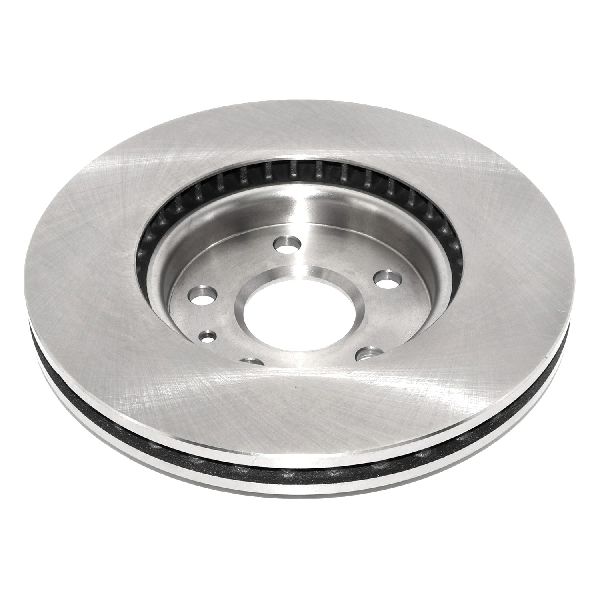
Rotor diameters vary significantly. Common front sizes include 288mm, 308mm, and 296mm. Common rear sizes include 286mm, 300mm, and 292mm. Rotors can be solid or vented, particularly for the rear. Always verify the size for your specific vehicle trim and year.
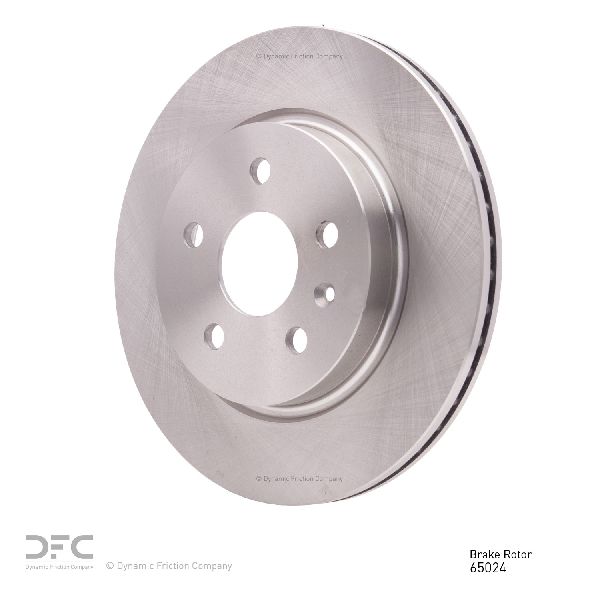
We Have This Part in Stock
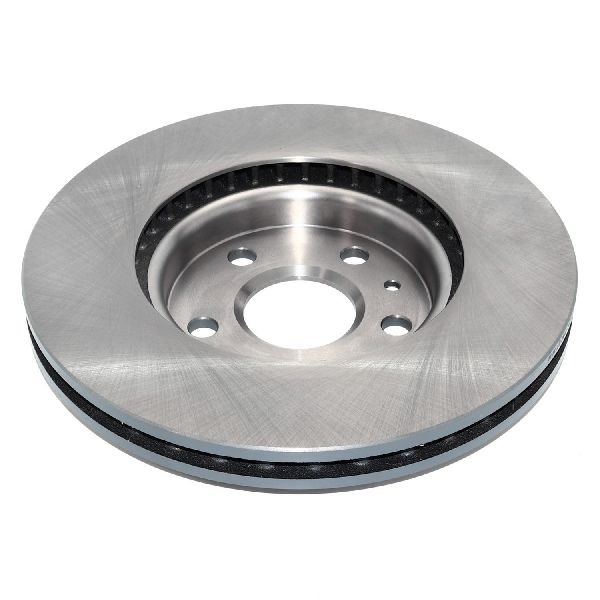
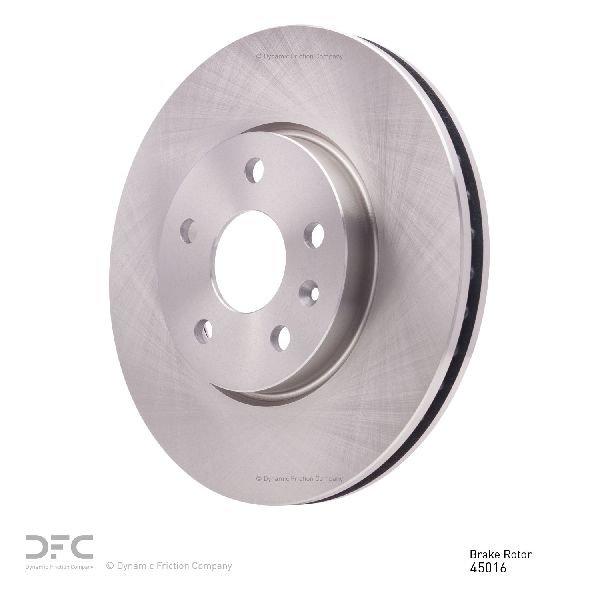
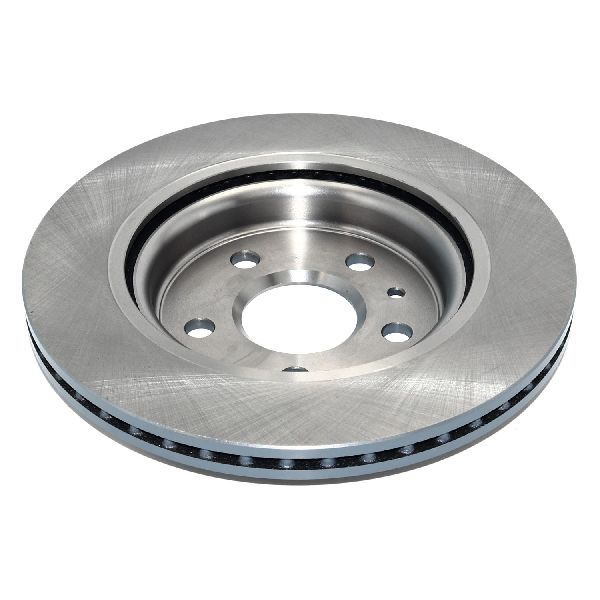
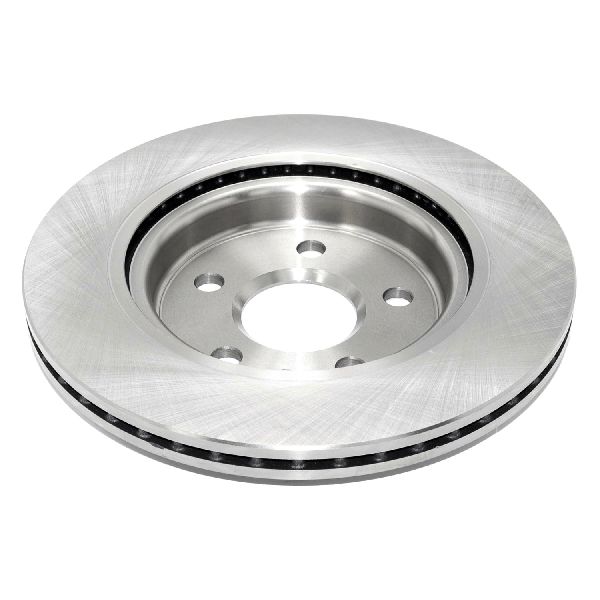

The information in this article is provided for general reference and educational purposes only. Vehicle specifications, procedures, and part compatibility can vary by production date, trim level, and region. Always consult your vehicle's factory service manual and verify part numbers before purchasing or performing repairs. Safety-critical components such as airbags, seat belts, and braking systems should be installed by a qualified professional.
- Saab 9-5:
- 🎬 Helpful Videos
- 🛍️ Shop This Part
- Signs of Failing Brake Rotors
- Common Ordering Mistake: Incorrect Rotor Size
- Choosing the Right Aftermarket Rotor for Your 9-5
- Brand Tiers for Saab 9-5 Rotors
- A Note on Coated Rotors
- Vehicle-Specific Issues & Installation Tips
- Frequently Asked Questions (FAQ)
- 🎟️ Get 5% Off