

Saab 9-5 Engine Coolant Temperature Sensor Guide (1999-2011)
Understanding the signs of a failing coolant sensor and choosing the right replacement for your 9-5.
- A failing ECT sensor often causes a Check Engine Light with codes P0116, P0117, or P0118.
- Symptoms can be similar to a bad thermostat; a gauge that reads cold on the highway often points to a thermostat stuck open.
- Replacement is simple for DIYers and requires a 19mm deep socket.
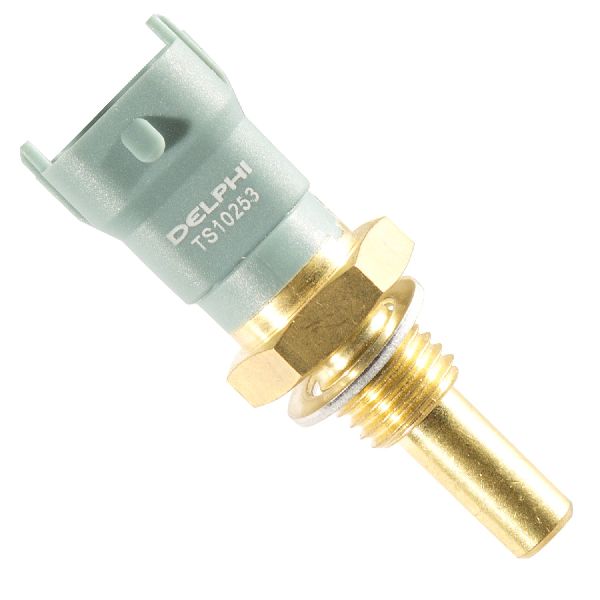
- Choose a quality aftermarket brand like Bosch, Hella, or Delphi for reliability.
Symptoms of a Failing ECT Sensor
A bad coolant temperature sensor can cause a variety of problems. The engine's computer relies on this sensor for accurate information. When the signal is wrong, the computer makes bad decisions. You will usually get a Check Engine Light with codes like P0116, P0117, or P0118.
Is It the Sensor or the Thermostat?
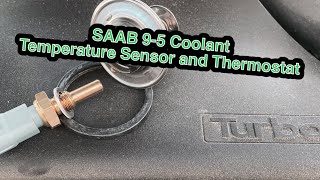
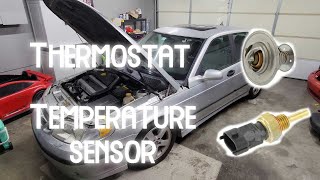
Many symptoms of a bad ECT sensor are similar to a bad thermostat. A common issue on the Saab 9-5 is a thermostat stuck open. This will cause the temperature gauge to read low or drop to cold during highway driving. If you have these symptoms, the thermostat is a likely cause. 🎬 Watch: How to replace both the thermostat and sensor Since replacing the sensor is easy and inexpensive, some owners try that first.
- Check Engine Light: This is the most common sign. The ECU detects a sensor reading that is out of the normal range.
- Poor Fuel Economy: If the sensor wrongly tells the ECU the engine is cold, the computer will inject more fuel than needed. This can cause a noticeable drop in your miles per gallon.
- Black Smoke from Exhaust: A very rich fuel mixture from a bad sensor signal can result in unburned fuel exiting the engine. This can create black smoke from the tailpipe.
- Hard Starting: When the engine is cold, the ECU needs to provide a richer fuel mixture to get it started easily. A bad sensor might report that the engine is already warm, leading to difficulty starting.
- Engine Overheating or Fans Not Working: The sensor is responsible for telling the cooling fans when to turn on. If the sensor fails to report that the engine is hot, the fans may not activate, leading to overheating in traffic.
- Incorrect Temperature Gauge: The temperature gauge on your dashboard may show that the engine is cold all the time, or it might fluctuate wildly.
Choosing the Right Aftermarket Sensor
While a Genuine Saab sensor is always an option, the aftermarket offers many quality choices that can save you money. For a critical sensor like this, it is best to avoid the cheapest, no-name brands. A poor-quality sensor can fail quickly or provide inaccurate readings, causing the same problems you were trying to fix.
Consider these brands when shopping:
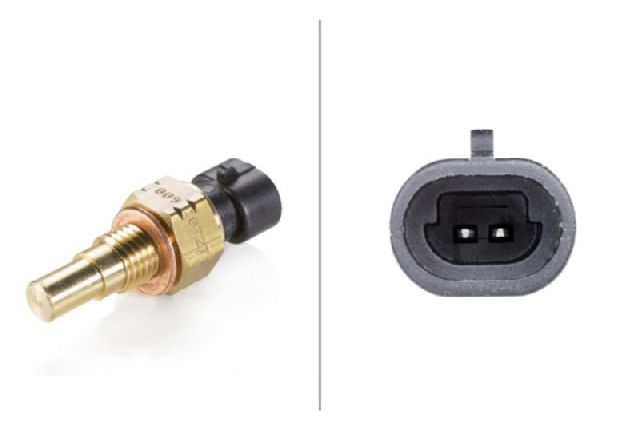
- OEM Supplier Brands (Excellent Quality): Brands like Bosch and Hella are often original equipment suppliers for European cars, including Saab. Choosing one of these is the closest you can get to genuine quality. Delphi is another strong choice in this category.
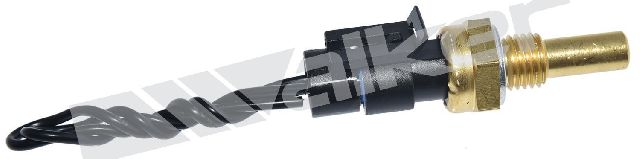
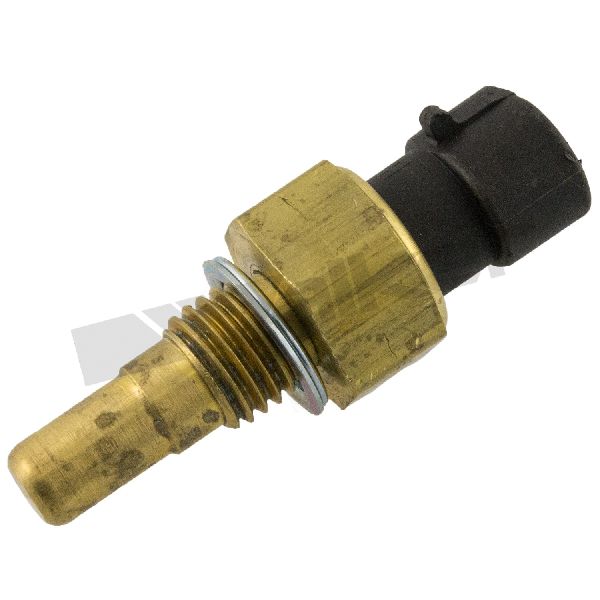
- Quality Aftermarket Brands (Good Quality): Brands like Standard Ignition (SMP), NGK/NTK, and Walker Products have a long history of producing reliable aftermarket parts. They offer a good balance of quality and price.
- Budget-Friendly Brands (Use with Caution): Brands like Professional Parts Sweden and other lower-cost options are available. While they are inexpensive, their long-term reliability can be uncertain. If your budget is very tight, they can work, but a better brand is recommended for peace of mind.
| Part Type | Estimated Cost |
|---|---|
| New Aftermarket | $15 - $42 |
| New OEM | $25 - $55 |
| Shop Labor | $50 - $100 |
Installation Overview
Replacing the ECT sensor on a 1999-2011 Saab 9-5 is a straightforward job that most DIY mechanics can do in under an hour.
Pro Tip: The engine should be cool before you start. You will lose a small amount of coolant when you remove the old sensor. Work quickly to swap the new sensor in to minimize coolant loss.
- Locate the Sensor: The sensor is located on the side of the cylinder head, underneath the upper radiator hose.
- Gain Access: You may need to move the upper radiator hose out of the way for better access.
- Remove the Old Sensor: Unplug the electrical connector. Using a 19mm deep socket, unscrew the old sensor.
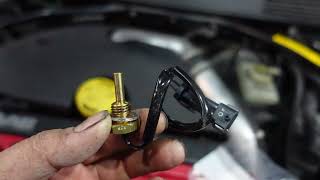
- Install the New Sensor: Quickly screw in the new sensor by hand to prevent coolant loss, then tighten it with the socket. Do not overtighten. Reconnect the electrical connector. 🎬 See this step-by-step sensor replacement walkthrough
- Top Off Coolant: Check your coolant level in the expansion tank and top it off if necessary.
Frequently Asked Questions
Where is the ECT sensor located on a Saab 9-5?
The engine coolant temperature sensor is screwed into the side of the cylinder head, near the thermostat housing and below the main upper radiator hose.
Is this the same as the coolant *level* sensor?
No. The coolant temperature sensor reads the temperature of the coolant. The coolant level sensor is located in the coolant expansion tank (the plastic bottle) and only warns you if the coolant level is low.
Can I replace the ECT sensor myself?
Yes, this is a common DIY repair. You only need basic hand tools, including a 19mm deep socket. The job can typically be done in less than 30 minutes.
Are there any recalls for the Saab 9-5 ECT sensor?
No. There are no recalls or widespread Technical Service Bulletins (TSBs) from Saab or the NHTSA for the engine coolant temperature sensor on the 1999-2011 9-5. Failures are typically due to the part's age and normal wear.
My temperature gauge goes to zero sometimes. Is it the sensor?
It could be. An intermittent signal loss can cause the gauge to drop to zero. However, this can also be caused by degraded or corroded wiring between the sensor and the ECU. Before replacing parts, check that the connector is clean and tight.
🎬 Watch: Troubleshooting a P0119 code and sensor wiringHelpful Videos

Technical Specifications
OEM Part Numbers: 15393755 9177213 5959283 4773586 4660585
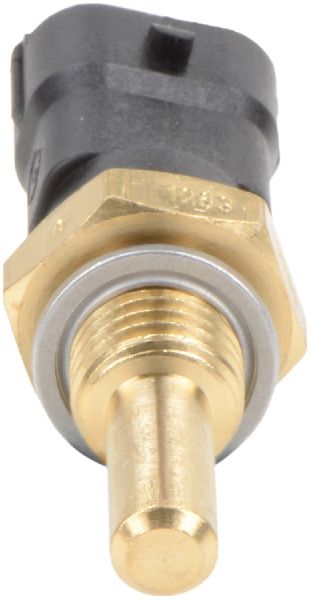
The sensor for the 4-cylinder petrol engines (B205, B235) is a 2-pin sensor that screws into the cylinder head. It uses a 19mm hex size for installation. The V6 engine (B308) and later 2.8T V6 use a different sensor.
We Have This Part in Stock


The information in this article is provided for general reference and educational purposes only. Vehicle specifications, procedures, and part compatibility can vary by production date, trim level, and region. Always consult your vehicle's factory service manual and verify part numbers before purchasing or performing repairs. Safety-critical components such as airbags, seat belts, and braking systems should be installed by a qualified professional.
- Saab 9-5: