

A Practical Guide to Replacing the Oxygen Sensor on Your 1999-2011 Saab 9-5
Keep your Saab 9-5 running efficiently by understanding how to choose and replace a faulty oxygen sensor.
- Bosch is the OEM sensor brand for the Saab 9-5; using it is the most reliable way to avoid compatibility issues.
- Before replacing the front sensor for a P0134 code, inspect the 'J16' wiring splice for corrosion, as it's a common failure point.
- Always use a direct-fit sensor. Upstream and downstream sensors are not interchangeable.
- A failing oxygen sensor will decrease fuel economy and can cause long-term damage to the catalytic converter if ignored.
Is Your Saab 9-5 Oxygen Sensor Failing?
A failing oxygen (O2) sensor doesn't usually stop the car from running, but it will cause noticeable problems. The most common sign is the Check Engine Light illuminating on your dashboard. You may also experience reduced fuel economy, a rough or unstable idle, engine hesitation or misfires, and you will likely fail an emissions test. In some cases, a very rich fuel mixture caused by a bad sensor can lead to a rotten egg smell from the exhaust, which indicates potential damage to the catalytic converter.
A Critical Known Issue: The J16 Wiring Splice
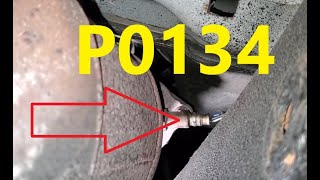
Before you replace your front oxygen sensor for a P0134 code ("O2 Sensor Circuit No Activity Detected 🎬 Watch: Understanding the causes and fixes for the P0134 code."), you must check the J16 wiring splice. On the Saab 9-5, there is a known weak point in the wiring harness located under the passenger side cowl where multiple ground wires are spliced together. This splice can corrode over time, causing a loss of signal from the front O2 sensor, even if the sensor itself is perfectly fine. Many owners have replaced their sensor only to have the code return because the real problem was this corroded splice.
🎬 Watch: Step-by-step guide to repairing the J16 wiring splice.Choosing the Right Aftermarket Oxygen Sensor
Your Saab's Trionic engine management system is sensitive, so choosing the right O2 sensor is important for avoiding future headaches. Not all aftermarket brands perform equally.
Brand Quality Tiers for Saab 9-5
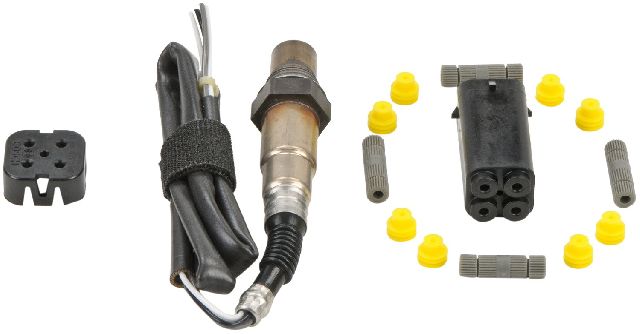
- Tier 1 (OEM Equivalent): Bosch is the original equipment manufacturer (OEM) for Saab 9-5 oxygen sensors. Choosing an aftermarket Bosch sensor is the safest bet for a direct-fit, OE-performance part without the dealership markup. It is designed to work perfectly with your car's computer.
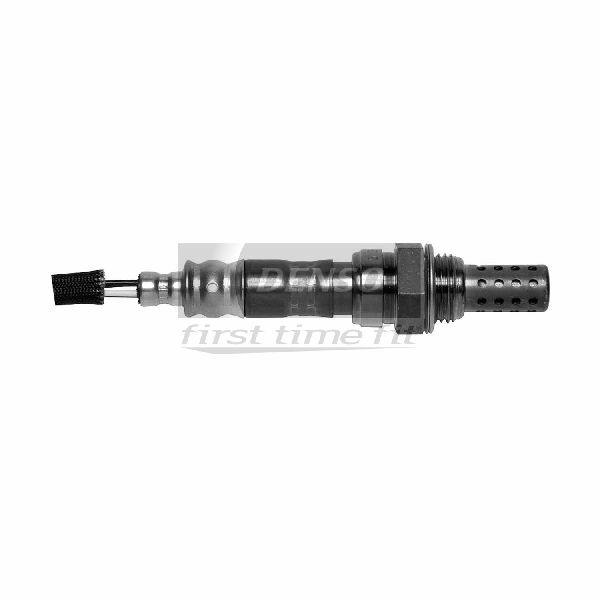
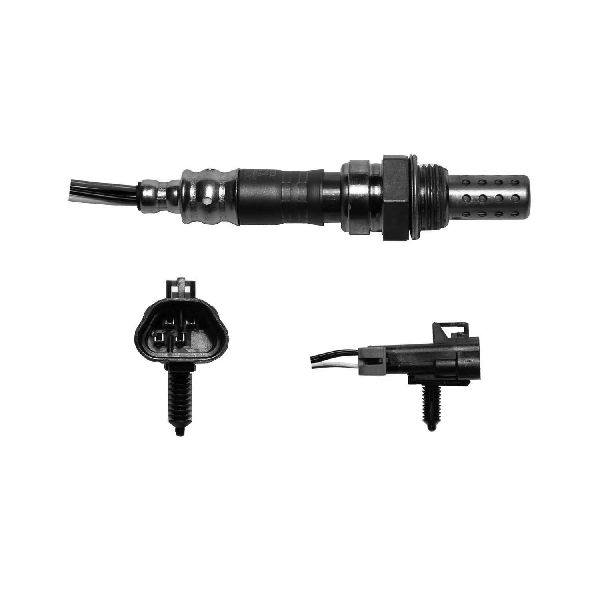
- Tier 2 (High-Quality Alternatives): Denso and NGK (also known as NTK) are highly respected brands that produce top-quality sensors. While not the original part for your Saab, they are excellent alternatives to Bosch and are known for their reliability and longevity.
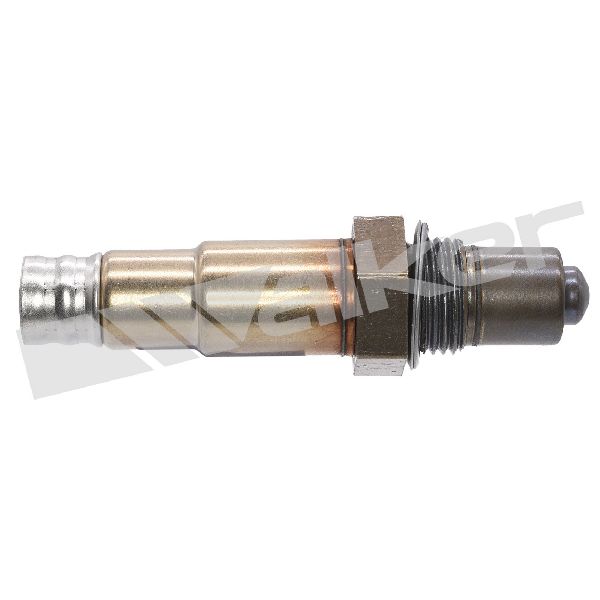
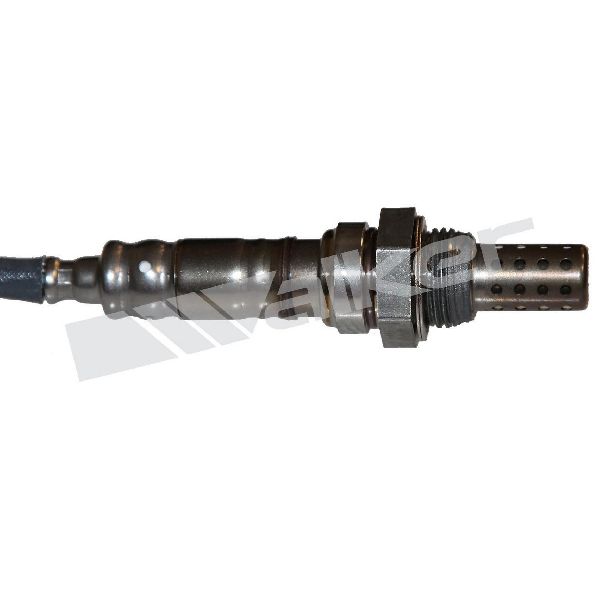
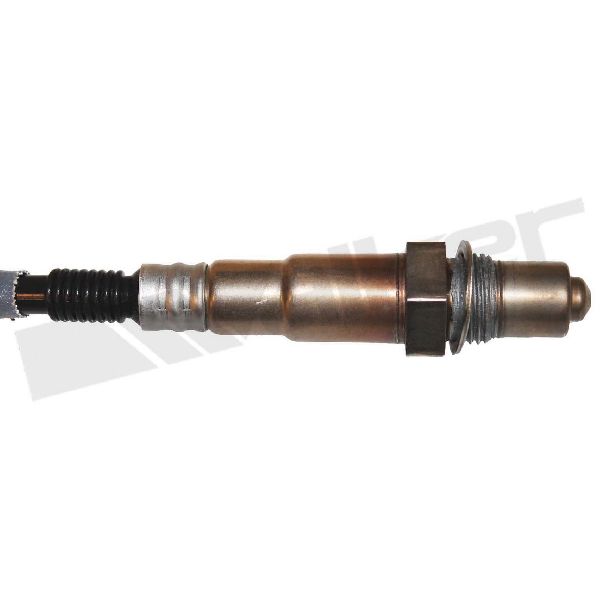
- Tier 3 (Budget Options): Brands like Walker Products, Spectra, and DriveWire offer more budget-friendly options. Some of these brands may even re-package sensors made by Denso or NGK. While they can work, it is crucial to ensure you are buying a "direct-fit" model with the correct connector, not a "universal" sensor that requires splicing wires. Given the sensitivity of the Saab's electronics, sticking with Tier 1 or 2 is strongly recommended.
Pro Tip: Always buy the correct sensor for the specific position. The upstream (front) and downstream (rear) sensors are not interchangeable, and they often have different wire lengths and internal calibrations.
Typical Costs for Oxygen Sensor Replacement
| Item | Estimated Cost |
|---|---|
| New Aftermarket Oxygen Sensor | $25 - $162 |
| Shop Labor | $75 - $150 |
| Total Estimated Cost | $100 - $312 |
Cost estimates are for a single sensor and can vary based on your location and the specific brand you choose.
Frequently Asked Questions (FAQ)
How many oxygen sensors does my 1999-2011 Saab 9-5 have?
Your Saab 9-5 has two oxygen sensors: one upstream (front, pre-catalytic converter) and one downstream (rear, post-catalytic converter).
What is the difference between an upstream and a downstream sensor?
The upstream sensor (also called Sensor 1) measures the raw exhaust from the engine and is the primary sensor used for adjusting the air-fuel mixture. The downstream sensor (Sensor 2) measures the exhaust *after* it has passed through the catalytic converter to ensure the converter is working correctly.
Can I clean my old oxygen sensor instead of replacing it?
While some people attempt to clean O2 sensors, it is generally not a reliable or long-term solution. The sensor's internal element can become contaminated or simply wear out from age and heat cycles, which cleaning cannot fix. Replacement is the recommended repair.
Why is using a Bosch sensor so highly recommended for my Saab?
Bosch was the original supplier to Saab for these sensors. This means a Bosch aftermarket part is essentially the same as the genuine part, ensuring perfect communication with the car's sensitive Trionic engine computer and avoiding compatibility issues that can sometimes arise with other brands.
What tools do I need to replace an oxygen sensor?
You will need a special tool called an oxygen sensor socket, which has a slot for the wire to pass through. You will also need a ratchet wrench and potentially some penetrating oil to help loosen a sensor that is rusted in place.
Helpful Videos
Technical Specifications
OEM Part Numbers: 4660502 4570909
Most 1999-2011 Saab 9-5 models use a 4-wire heated oxygen sensor. The specific part number varies by engine, model year, and sensor position (upstream or downstream). Always verify the part fitment for your specific vehicle.
We Have This Part in Stock

The information in this article is provided for general reference and educational purposes only. Vehicle specifications, procedures, and part compatibility can vary by production date, trim level, and region. Always consult your vehicle's factory service manual and verify part numbers before purchasing or performing repairs. Safety-critical components such as airbags, seat belts, and braking systems should be installed by a qualified professional.
- Saab 9-5: