

Ford E-350 Super Duty Transmission Range Sensor (1999-2018): Symptoms and Replacement
If your van won't start or the gear indicator is acting up, the transmission range sensor could be the problem.
- A no-crank, no-start condition is the most common symptom of a bad transmission range sensor on the E-350.
- The sensor is located on the driver's side of the transmission and is exposed to the elements, making corrosion a common cause of failure.
- Proper alignment of the new sensor is critical for it to function correctly; it must be aligned in the Neutral position.
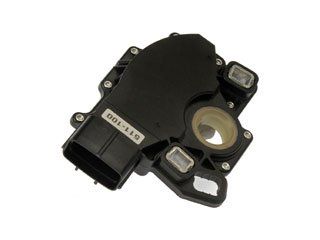
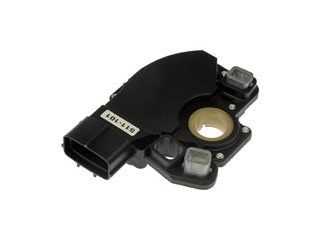
- While OEM is an option, quality aftermarket brands like Dorman and Standard Ignition offer a cost-effective alternative.
Is Your E-350 Super Duty Showing Signs of a Bad Transmission Range Sensor?
The transmission range sensor (TRS) is mounted on the driver's side of the transmission. Because of its location, it's exposed to road grime, water, and heat from the exhaust, which can cause it to fail over time. Corrosion on the electrical connector and the sensor body itself is a common issue. When it fails, it can leave you stranded or cause unsafe driving conditions.
Common Failure Symptoms
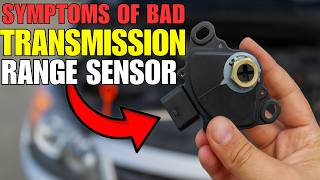
🎬 Watch a detailed breakdown of common transmission range sensor symptoms.- No-Crank, No-Start: The most common symptom. You turn the key, and nothing happens, or you just hear a click. Sometimes, wiggling the shifter or trying to start in Neutral will work.
- Check Engine Light: The computer will often trigger a Check Engine Light with codes like P0705, P0707, or P1702. 🎬 See how to fix common transmission sensor error codes.
- No Reverse Lights: The sensor is responsible for activating the backup lights. If they stop working, the sensor could be the cause.
- Erratic Shifting: The transmission may feel like it's slipping, shifting at the wrong times, or dropping out of overdrive on the highway because the computer is getting incorrect gear position data.
- Incorrect Gear Display: The gear indicator on your dashboard might not match the gear you've selected.
Choosing an Aftermarket Replacement: Dorman vs. Standard Ignition
When replacing the TRS on your E-350, you'll likely find parts from Dorman and Standard Motor Products (Standard Ignition). Both are established aftermarket brands. Forum discussions and owner experiences suggest that for electronic parts like sensors, sticking with a well-known brand is important. Some owners have had issues with aftermarket parts failing prematurely or not working out of the box, leading them to prefer the OEM Motorcraft part despite the higher cost. However, both Dorman and Standard are generally considered reliable direct-fit replacements that match the function of the original. Given the price difference, a quality aftermarket part is a reasonable choice for many owners.
Pro Tip: Regardless of the brand you choose, applying dielectric grease to the electrical connector pins during installation is a good practice. This helps prevent corrosion, which is a common failure point for this part.
Cost of Replacing the Transmission Range Sensor
Here is a general breakdown of what you can expect to pay for the part and installation. Prices can vary based on your location and specific repair shop.
| Item | Estimated Cost |
|---|---|
| New Aftermarket Part (Dorman, Standard) | $57 - $95 |
| Shop Labor | $95 - $150 |
| Total Professional Replacement | $152 - $245 |
Cost estimates are based on average part prices and typical labor rates.
Frequently Asked Questions
Can I drive my E-350 with a bad transmission range sensor?
It's not recommended. While you might be able to get the van started by shifting to Neutral, you could be left stranded at any time. More seriously, if the sensor fails completely, you could lose reverse lights or have erratic transmission behavior, which are safety hazards.
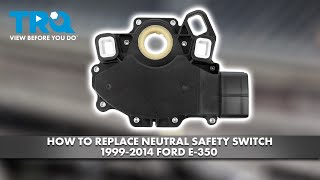
How difficult is it to replace the sensor myself? 🎬 Follow this step-by-step guide to replace the neutral safety switch.
For a DIY mechanic with some experience, this is a manageable job. It requires raising the vehicle safely, but the sensor is located on the outside of the transmission. The main challenges are often dealing with rust and corrosion on the bolts and shift lever. You will need basic hand tools, including sockets and a pry bar. The estimated time for a professional is under an hour, so a DIYer should plan for 1-2 hours.
Does the new sensor need to be adjusted?
Yes, proper alignment is critical. New sensors usually come set to the Neutral position. You must ensure the transmission is also in Neutral when you install the new part. There are alignment marks on the sensor and transmission housing that must line up perfectly for it to function correctly. Incorrect adjustment can cause the same problems as a failed sensor.
Are there any recalls for this part on the E-350 Super Duty?
Searches of the NHTSA database did not show any specific recalls for the transmission range sensor itself on the 1999-2018 Ford E-350 Super Duty. There have been other transmission-related recalls for issues like a faulty shifter cable bushing or internal transmission components on certain model years, but not the sensor.
Helpful Videos

Technical Specifications
OEM Part Numbers: CC3Z-7H557-B BC3Z7H557C CC3Z7H557A SW7670 SW5063
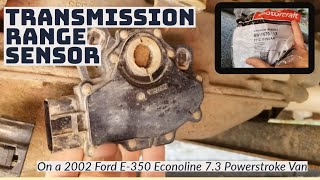
Located on the exterior, driver's side of the transmission case. Connects to the main shift linkage and the vehicle's wiring harness. Requires alignment during installation.
We Have This Part in Stock


The information in this article is provided for general reference and educational purposes only. Vehicle specifications, procedures, and part compatibility can vary by production date, trim level, and region. Always consult your vehicle's factory service manual and verify part numbers before purchasing or performing repairs. Safety-critical components such as airbags, seat belts, and braking systems should be installed by a qualified professional.
- Ford E-350 Super Duty: