

2000 BMW 328Ci Engine Coolant Temperature Sensor: A Complete Guide
Fix common engine problems like poor fuel economy, rough idle, and overheating by understanding and replacing the right coolant sensor on your 328Ci.
- Your 328Ci has two coolant sensors; diagnose the correct one before buying a replacement.
- For the main sensor on the cylinder head, choose an OEM-supplier brand (Vemo, Delphi) to avoid premature failure, as the replacement labor is difficult and costly.
- Replacement of the main cylinder head sensor is an advanced DIY task due to its location under the intake manifold.
- Symptoms of failure include poor fuel economy, black smoke, overheating, and a Check Engine Light with codes like P0117 or P0118.
Symptoms of a Failing Coolant Temperature Sensor
When the engine coolant temperature sensor on your 328Ci starts to fail, it sends incorrect information to the engine computer. This can cause a variety of noticeable problems. You should suspect a bad sensor if you experience one or more of the following issues.
- Check Engine Light: This is often the first sign. The engine computer detects a signal from the sensor that is out of range and triggers a fault code, illuminating the light on your dash. Common codes include P0117 (low input) and P0118 (high input).
- Poor Fuel Economy: If the sensor falsely tells the computer the engine is always cold, the computer will continuously supply a rich fuel mixture, wasting gas.
- Black Smoke from Exhaust: An overly rich fuel mixture may not burn completely in the engine. This unburnt fuel then burns in the hot exhaust pipe, creating black smoke.
- Engine Overheating or Strange Gauge Behavior: A faulty sensor can cause the temperature gauge on your instrument cluster to behave erratically, such as immediately pegging to hot even when the engine is cold. It can also fail to trigger the electric cooling fan when needed, causing the engine to overheat in traffic.
- Rough Idle and Poor Performance: With the wrong fuel and timing adjustments, the engine can idle poorly, hesitate, or feel sluggish during acceleration.
Two Sensors, Two Locations
Your 2000 328Ci has two different coolant temperature sensors. It is crucial to diagnose which one has failed. The main ECT sensor is located on the cylinder head, under the intake manifold, and provides data to the DME for engine management and the temperature gauge. The secondary sensor is located in the lower radiator hose and is primarily used to control the electric cooling fan. Symptoms like a faulty gauge or poor fuel economy usually point to the cylinder head sensor, while a fan that never turns on or runs constantly might point to the lower hose sensor.
Choosing the Right Aftermarket Sensor for Your BMW
BMW electronics can be sensitive, and while saving money is tempting, a low-quality sensor can fail quickly, forcing you to do the job all over again. For critical sensors, owner forums generally recommend using an OEM or OEM-supplier brand.
Brand Quality Tiers
- Tier 1: OEM Supplier Brands (Recommended): Brands like Vemo, Delphi, and Febi are often original equipment suppliers to BMW or have a strong reputation for quality that matches the original part. Choosing one of these brands is the safest bet for reliability and longevity.
- Tier 2: Reputable Aftermarket Brands: Brands such as Beck Arnley, Standard Ignition (SMP), and NGK are well-known in the aftermarket and generally produce reliable parts. While they may not be the original supplier, they are a solid choice if an OEM brand is not available.
- Tier 3: Budget-Focused Brands: Brands like URO Parts and other store brands are typically the most affordable. However, their quality can be inconsistent, especially for electronic components. While a URO sensor might work, forum discussions frequently mention a higher risk of premature failure. Given the difficult labor involved in replacing the cylinder head sensor, a budget brand is not recommended for that location.
Pro Tip: When replacing the sensor in the lower radiator hose, it's a good idea to replace the hose at the same time if it's old. The plastic can become brittle, and removing the old sensor can cause cracks, leading to future coolant leaks.
Cost of Replacing a 2000 BMW 328Ci Coolant Temp Sensor
| Part Type | Price Range |
|---|---|
| New OEM (Genuine BMW) | $45 - $70 |
| New Aftermarket | $19 - $55 |
| Shop Labor (Cylinder Head Sensor) | $300 - $600+ |
| Shop Labor (Lower Hose Sensor) | $75 - $150 |
Note: Labor costs are estimates and can vary based on location and whether the shop removes the intake manifold for the cylinder head sensor.
Frequently Asked Questions (FAQ)
Where is the main engine coolant temperature sensor located?
The main sensor that controls the fuel mixture and temperature gauge is located on the cylinder head, toward the back of the engine, underneath the intake manifold. It is notoriously difficult to access.
Where is the fan switch temperature sensor located?
The secondary sensor, which helps control the electric cooling fan, is located in the lower radiator hose on the passenger side of the radiator. This sensor is much easier to access and replace.
Can I replace the cylinder head sensor myself?
This is an advanced DIY job. While it is possible to replace it without removing the intake manifold, it requires removing the cabin air filter assembly and using a specific combination of long extensions and a universal joint for your socket. It is a very tight space to work in. The easier, but much longer, method is to remove the intake manifold.
Do I need to drain all the coolant to replace the sensor?
You do not need to drain the entire system. However, you will lose some coolant when you remove the sensor. It's best to have the new sensor ready to install quickly to minimize coolant loss. Be sure to top off the system with a 50/50 mix of BMW-approved coolant and distilled water and properly bleed the air out of the system afterward.
Are there any recalls for the coolant temperature sensor?
No. There are no recalls or common Technical Service Bulletins (TSBs) from BMW or the NHTSA for the engine coolant temperature sensor on the 2000 BMW 328Ci. Recalls for this vehicle are primarily for the Takata airbags.
Technical Specifications
OEM Part Numbers: 13621433076 13621433077
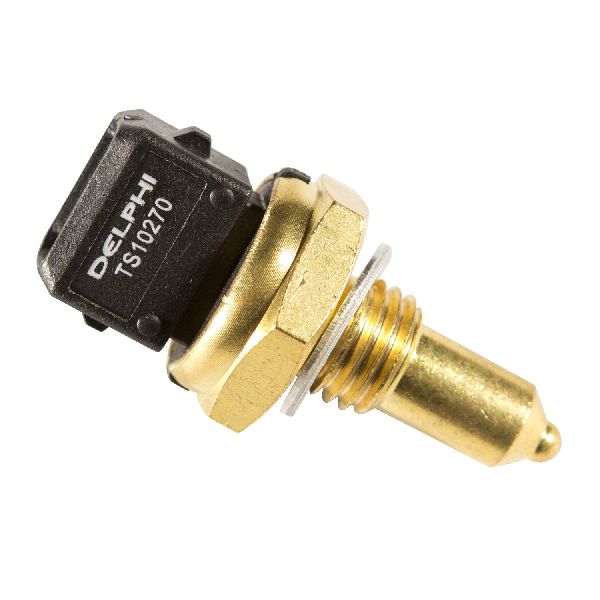
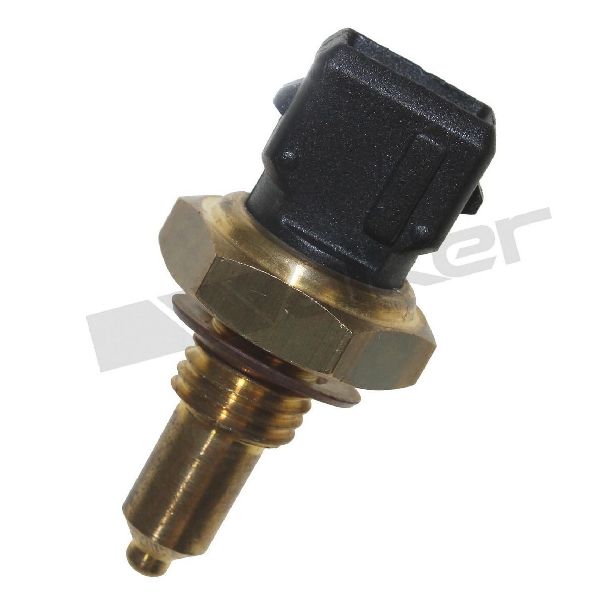
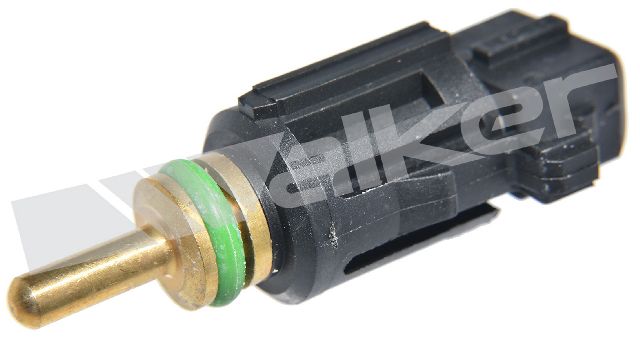
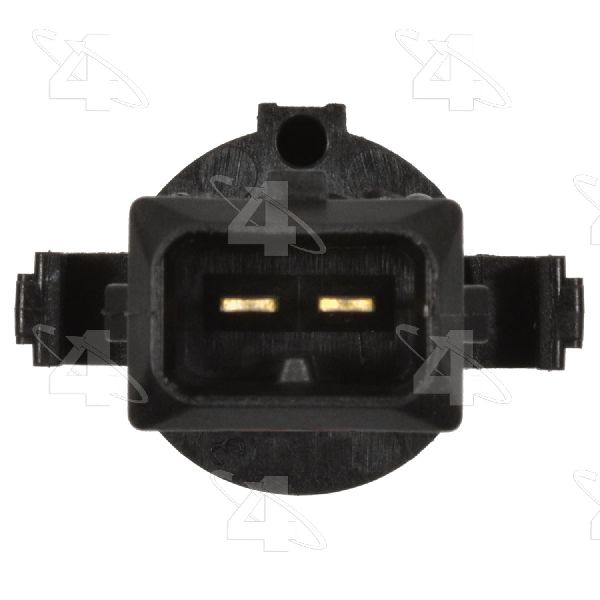
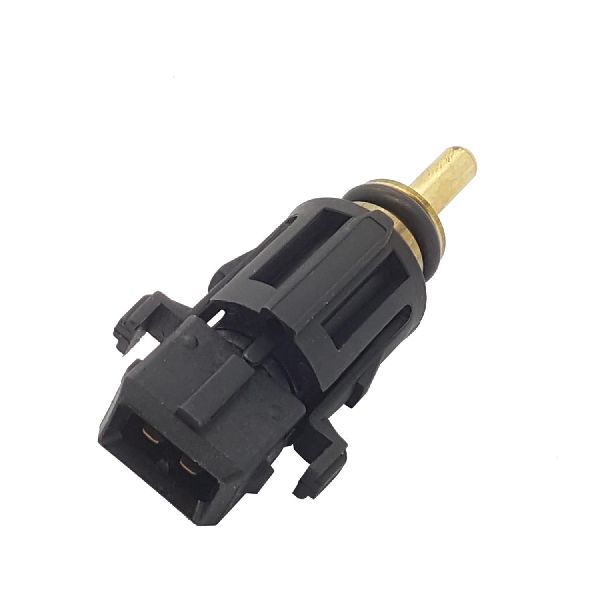
The main sensor is located on the cylinder head, while a secondary sensor is in the lower radiator hose. The main sensor is a 2-pin thermistor that provides temperature data to the DME.
We Have This Part in Stock


The information in this article is provided for general reference and educational purposes only. Vehicle specifications, procedures, and part compatibility can vary by production date, trim level, and region. Always consult your vehicle's factory service manual and verify part numbers before purchasing or performing repairs. Safety-critical components such as airbags, seat belts, and braking systems should be installed by a qualified professional.
- BMW 328Ci: