

Throttle Position Sensor (TPS) Guide for 2000-2003 Toyota Tundra
Experiencing poor acceleration or a rough idle? Your Tundra's Throttle Position Sensor might be the culprit.
- A failing TPS on a 2000-2003 Tundra causes hesitation, erratic idle, and poor shifting.
- Avoid the cheapest aftermarket sensors; they are known to fail quickly on these trucks.
- Choosing an OEM (Toyota) or OEM-supplier (Denso) part is the most reliable option for this repair.
- While replacing the sensor, it's a good idea to also clean the throttle body to prevent idle issues.
Is Your Tundra's Throttle Position Sensor Failing?

When the TPS on your 2000-2003 Tundra starts to go bad, it can cause a range of frustrating problems. Because the sensor's signal is so important for fuel and transmission control, a bad reading can make your truck feel unpredictable. You might notice one or more specific symptoms that point to a failing sensor.
Top 5 Failure Symptoms:
- Poor Acceleration or Hesitation: The truck may feel sluggish, hesitate, or stumble when you press the gas pedal.
- Erratic Idle and Stalling: Your engine might idle too high or too low, and in some cases, it may stall when you come to a stop.
- Transmission Shifting Problems: The automatic transmission may shift harshly, at the wrong times, or seem to hunt for the right gear.
- Sudden Surging or Loss of Power: The truck could unexpectedly surge forward or lose power completely while driving, which can be dangerous.
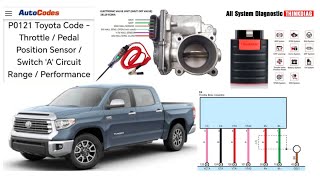
- Check Engine Light: A failing TPS will almost always trigger the Check Engine Light, with codes like P0121 being very common. 🎬 Watch: How to diagnose and solve P0121 engine power loss.
Limp Mode Warning
A severe TPS failure can put your Tundra into "limp mode." This drastically reduces engine power to prevent damage, making it difficult to drive faster than a slow crawl. If this happens, pulling over safely is your top priority.
Choosing the Right Aftermarket TPS: Quality Matters

When it comes to electronic sensors on Toyota trucks, using a quality part is extremely important. Forum discussions with first-generation Tundra owners show that cheap, no-name aftermarket sensors often fail quickly, sometimes within months, leading to the same problems all over again. While an OEM sensor from Toyota offers guaranteed quality, some aftermarket brands provide a reliable alternative at a better price.
| Tier | Brands | General Consensus & Notes |
|---|---|---|
| Top Tier (OEM or Equivalent) | Genuine Toyota, Denso | Denso is a well-regarded OEM supplier for Toyota, and their parts are considered as good as the original. This is the most reliable choice for a long-lasting repair. |
| Trusted Aftermarket | NGK, Standard Motor Products (SMP), Beck Arnley | These brands have a strong reputation. Beck Arnley often repackages OEM parts, so you might get a Denso sensor in their box. SMP and NGK are also known for producing quality sensors. |
| Economy / Hit-or-Miss | Dorman, Walker, and other store brands | While attractively priced, these brands can be inconsistent. Some owners have success, but many report premature failures, especially with Dorman sensors on Toyotas. Use with caution if you're looking for a long-term solution. |
Pro Tip: Check the Connector
On a truck that's over 20 years old, the plastic electrical connector for the TPS can become brittle and cracked, causing a poor connection. Before replacing the sensor, inspect the connector and its wiring. Sometimes, a new connector pigtail is all that's needed to fix the problem.
Frequently Asked Questions (FAQ)

Do I need to adjust or calibrate a new TPS?
Yes, for the 2000-2003 Tundra, the TPS has slotted mounting holes and requires adjustment. Using an OBD-II 🎬 See this walkthrough on how to replace and adjust the sensor. scan tool to read the throttle position percentage is the proper way to set it. However, many DIYers have success by simply disconnecting the battery during the installation to reset the ECU, which then relearns the new sensor's values.
Are there any recalls for the throttle position sensor on my Tundra?
No, there are no specific recalls for the throttle position sensor on the 2000-2003 Toyota Tundra. There was a major recall for frame rust that could cause the spare tire to fall off and damage brake lines, but it is unrelated to the TPS.
Can a dirty throttle body cause the same symptoms?
Yes, absolutely. A throttle body heavily coated in carbon can cause a low or rough idle, stalling, and hesitation. It's a good practice to clean the throttle body with a dedicated cleaner whenever you replace the TPS to ensure 🎬 Watch: The best way to fix low idle and stalling issues. smooth operation.
What's the difference between the TPS and the accelerator pedal sensor?
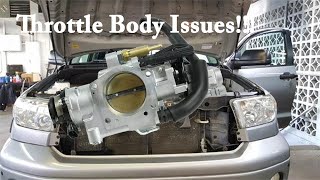
The 2000-2003 Tundra V8 has both. The accelerator pedal has a sensor that reads your foot's movement and sends a signal. The throttle position sensor (TPS) is mounted on the throttle body itself and confirms the actual position of the throttle plate. A failure in either can cause similar issues, but TPS failures are more common.
Helpful Videos
Technical Specifications
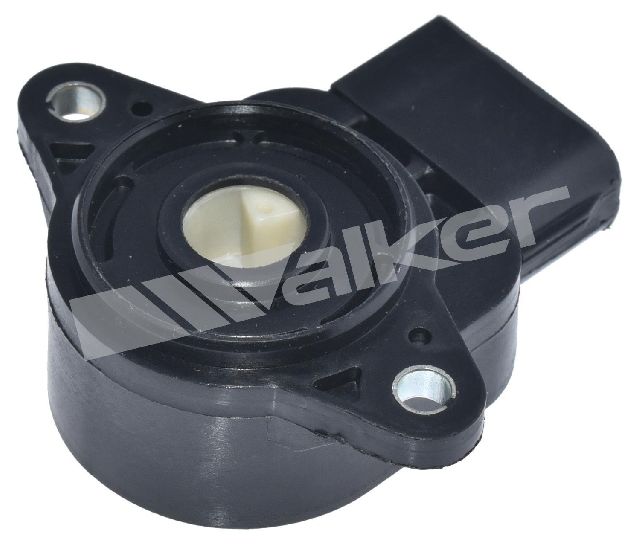
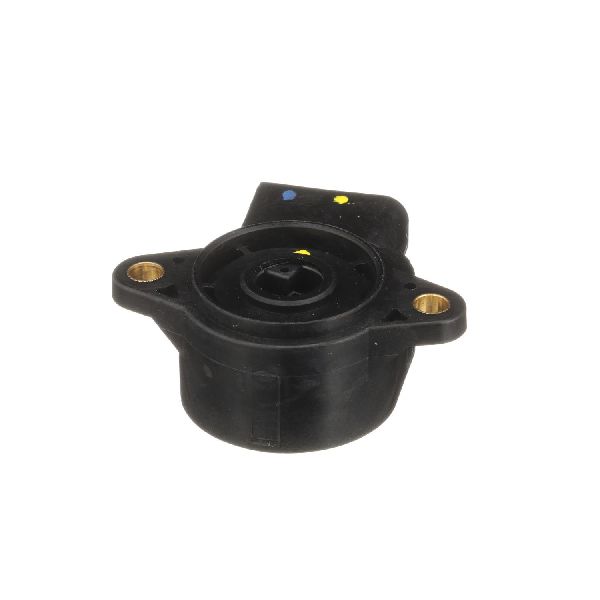
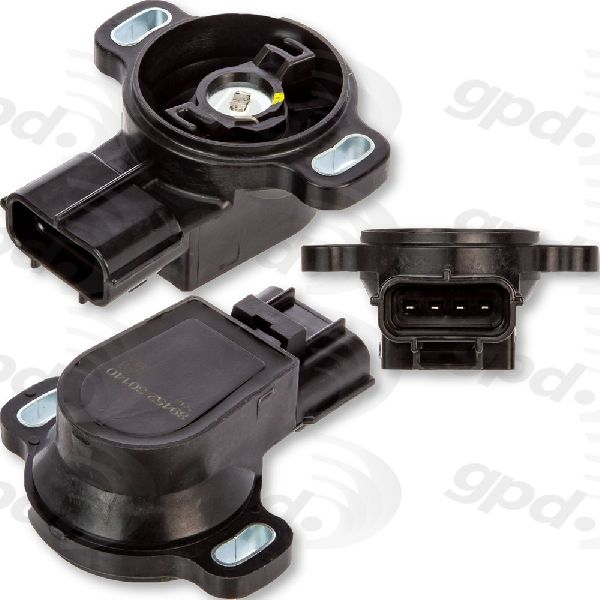
OEM Part Numbers: 89452-35020 89452-30140
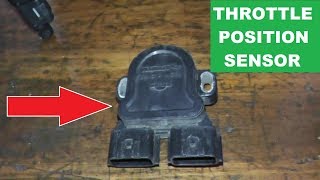
Located on the side of the throttle body, this sensor typically has a 4-prong electrical connector. It is adjustable via two mounting screws.
We Have This Part in Stock


The information in this article is provided for general reference and educational purposes only. Vehicle specifications, procedures, and part compatibility can vary by production date, trim level, and region. Always consult your vehicle's factory service manual and verify part numbers before purchasing or performing repairs. Safety-critical components such as airbags, seat belts, and braking systems should be installed by a qualified professional.
- Toyota Tundra: