

Choosing the Right Aftermarket Brake Pads for Your 2000-2004 BMW M5
Stop guessing which brake pads are right for your high-performance E39 M5.
- The main complaint about OEM pads is heavy brake dust; aftermarket ceramic pads like Akebono are a popular low-dust alternative for street driving.
- You must replace the single-use brake pad wear sensors (front-left and rear-right) when changing your pads to ensure the warning system functions correctly.
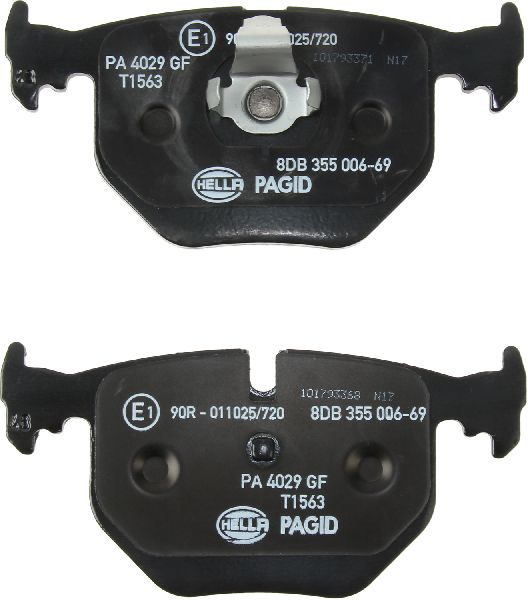
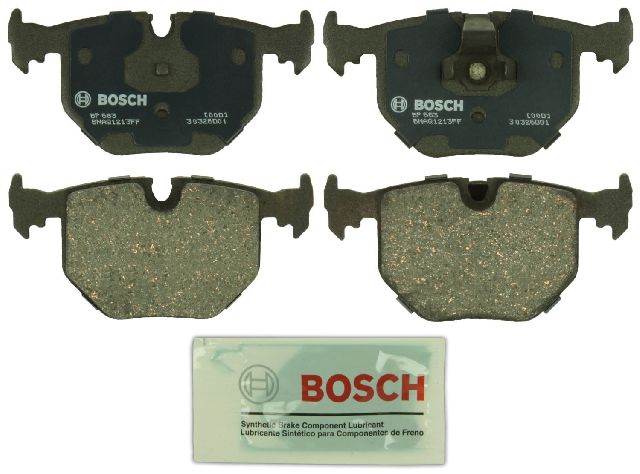
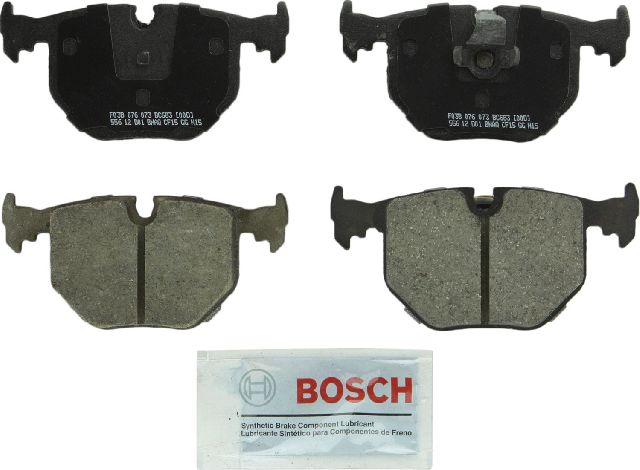
- For street use, OEM-equivalent brands like Textar, Pagid, ATE, and Bosch provide a balance of performance and value.
- For high-performance driving, consider brands like Hawk, EBC, or StopTech, but expect potential trade-offs in noise and dust.
Signs Your M5 Brake Pads Are Failing
Worn brake pads can be dangerous. It's important to recognize the signs that they need to be replaced. Your M5 is equipped with brake pad wear sensors that will trigger a "Check Brake Linings" message on your dashboard when the pads are low. However, don't rely on the light alone. You should inspect your pads regularly.
- Squealing or Grinding Noises: High-pitched squealing when you first apply the brakes is often a sign the pads are getting thin. A louder, more metallic grinding sound means the pads are completely worn out and the metal backing plate is scraping against the rotor, which can cause serious damage.
- Vibration or Pulsing: If you feel a pulsing or vibration through the brake pedal or steering wheel when braking, it could mean your rotors are warped. This often happens alongside worn pads.
- Reduced Stopping Power: If your M5 takes longer to stop than it used to, or the brake pedal feels soft and spongy, your pads may be worn or your brake system may need service.
- Visible Wear: You can often see the brake pads through your wheels. If the friction material looks less than 3-4mm thick (about the thickness of two dimes), it's time for a replacement.
Important Safety Recall Notice
There is an active "Do Not Drive" order for many 2000-2003 BMW M5 models due to a dangerous Takata airbag inflator recall. This is a separate issue from the brakes, but it is extremely serious. Before driving your vehicle, please check if your car is affected by inputting your Vehicle Identification Number (VIN) on BMW's recall website. The repair is free of charge.
Choosing Aftermarket Brake Pads for Your E39 M5
The original brake pads on the E39 M5 were known for strong performance but also for producing a large amount of brake dust. Many owners choose aftermarket pads to find a better balance of performance, dust, and noise. Aftermarket pads for your M5 generally fall into three categories.
1. Economy & Daily Driver Pads
These are the most affordable options, designed for basic, everyday driving. While they meet safety standards, they won't offer the performance bite or high-temperature fade resistance your M5 is capable of. They are a reasonable choice if budget is the primary concern for a car that is not driven aggressively.
Brands in this tier: Pronto, Dynamic Friction, Total Stopping Solutions, some Bendix and Wagner lines.
2. OEM-Equivalent & Low-Dust Ceramic Pads
This is the most popular category for M5 owners who primarily drive on the street. These pads offer performance similar to or slightly better than the original pads but with significantly less brake dust. Ceramic pads are a favorite for their clean operation and quiet performance. The original equipment (OEM) suppliers for BMW were often Textar, Pagid, or Jurid, so choosing their aftermarket products is a safe bet for original performance.
Brands in this tier: Akebono, ATE, Bosch, Centric, Raybestos, Textar, Pagid.
Pro Tip: For a great street setup with very low dust, many M5 owners recommend Akebono ceramic pads. They provide good stopping power for daily driving without the constant need to clean your wheels. However, some users note they have less initial "bite" than stock pads.
3. High-Performance & Track Pads
For the M5 owner who enjoys spirited driving, canyon carving, or occasional track days, high-performance pads are the way to go. These pads are made from aggressive compounds that provide superior stopping power and resistance to brake fade at high temperatures. The trade-offs are typically more noise, more dust (though sometimes less than OEM), and faster wear of both the pads and rotors. These are not always ideal for a daily driver in cold climates, as some require heat to perform optimally.
Brands in this tier: Hawk (HPS, HPS 5.0), EBC Brakes (RedStuff, YellowStuff), StopTech, Brembo, Performance Friction, Pagid Racing.
| Pad Tier | Front Pad Set Price Range | Rear Pad Set Price Range | Best For |
|---|---|---|---|
| Economy | $25 - $50 | $23 - $45 | Basic transportation, budget-conscious repairs |
| OEM-Equivalent / Ceramic | $60 - $120 | $50 - $90 | Daily driving, reduced brake dust, quiet operation |
| High-Performance / Track | $130 - $275 | $100 - $220 | Spirited driving, track use, maximum stopping power |
Frequently Asked Questions
Do I need to replace my rotors with my pads?
It is highly recommended. For best performance and safety, you should replace your brake rotors when you replace your pads. Installing new pads on old, worn, or warped rotors can cause noise, vibration, and reduced braking effectiveness. At a minimum, have the old rotors measured to ensure they are within thickness specifications.
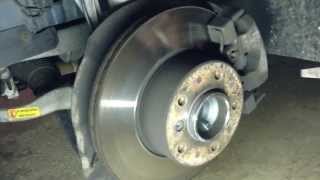
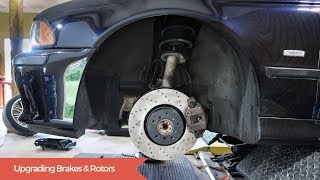
🎬 Watch this step-by-step guide to replacing your pads and rotors.What is a brake pad wear sensor?
The E39 M5 uses brake pad wear sensors to alert you when the pads are thin. There is one sensor on the front driver's side and one on the rear passenger's side. When the pad wears down, the sensor makes contact with the rotor, completes a circuit, and turns on the "Check Brake Linings" light on your dash. These sensors are a one-time-use item and must be replaced along with your brake pads.
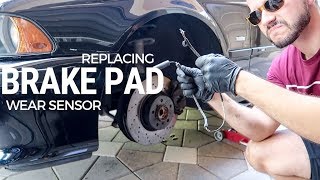
🎬 Learn how to properly replace your brake pad wear sensor.What does "bedding in" new brakes mean?
"Bedding in" is the process of transferring a thin, even layer of friction material from the new brake pads onto the new rotors. This is crucial for optimal performance, preventing noise, and ensuring a long service life. The process typically involves a series of controlled stops from various speeds to heat the pads and rotors properly. Always follow the specific bedding-in procedure recommended by the pad manufacturer.
Which brands did BMW use originally?
BMW used several high-quality suppliers for the E39 M5's brake components. The original pads were typically made by Textar, Pagid, or Jurid. The rotors were often sourced from Zimmermann or ATE. Choosing parts from these brands in the aftermarket is a reliable way to maintain the car's original braking characteristics.
Helpful Videos
Technical Specifications
OEM Part Numbers: 34112282165 34216761248
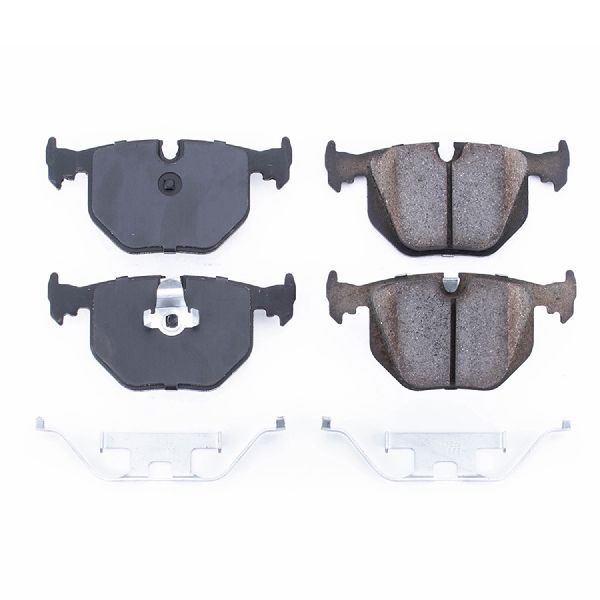
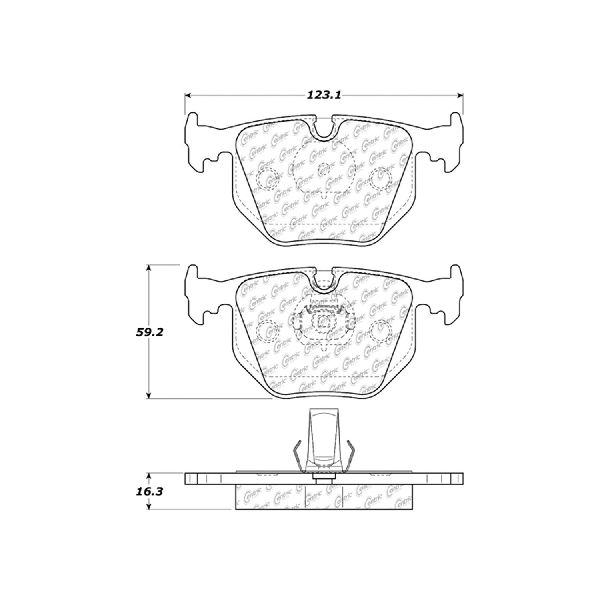
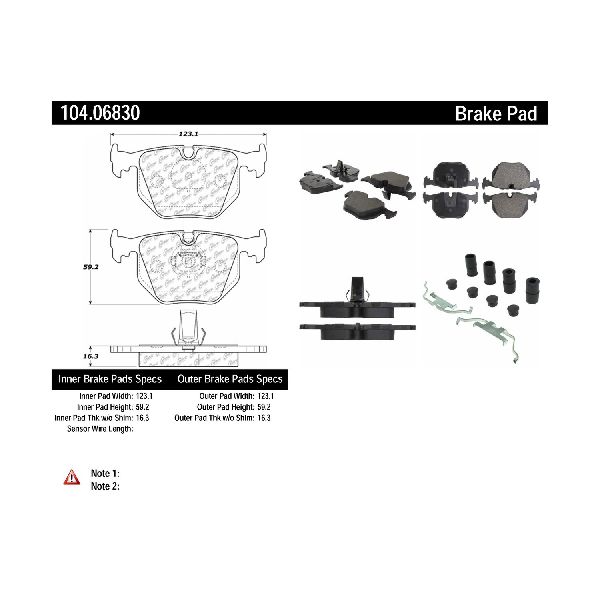
The E39 M5 uses single-piston floating calipers. The front axle and rear axle use different pad shapes. A brake pad wear sensor is located on the front left and rear right wheel.
We Have This Part in Stock

The information in this article is provided for general reference and educational purposes only. Vehicle specifications, procedures, and part compatibility can vary by production date, trim level, and region. Always consult your vehicle's factory service manual and verify part numbers before purchasing or performing repairs. Safety-critical components such as airbags, seat belts, and braking systems should be installed by a qualified professional.
- BMW M5: