

A Guide to the 2000-2004 BMW M5 Disc Brake Pad Wear Sensor
Don't let a small, inexpensive sensor keep your M5's brake warning light on—here's what you need to know before you buy.
- Your M5 has two sensors: one on the front-left wheel and one on the rear-right wheel.
- Once the brake warning light is on, the sensor is destroyed and must be replaced to reset the light.
- Reset the light by turning the ignition on (engine off) for up to 60 seconds after replacement.
- To avoid issues, choose an OEM-equivalent brand like Pagid; the small price difference is worth the reliability.
Symptoms of a Failing Brake Pad Wear Sensor
The most common and direct symptom of a tripped or failed brake pad wear sensor is the illumination of the red 'BRAKE' warning light on your dashboard. This light signifies that the sensor's circuit has been broken, either because the brake pads have worn down to the minimum level or because the sensor itself or its wiring has been damaged. Once this light is on, the sensor is considered destroyed and must be replaced along with the brake pads to extinguish the light. In some cases, a faulty sensor can trigger the light even if the brake pads have plenty of life left.
Choosing the Right Aftermarket Sensor for Your M5
While the brake pad wear sensor is a simple component, its quality can significantly impact whether your brake warning light resets properly after a brake job. For a high-performance vehicle like an E39 M5, choosing a reliable part is key to avoiding frustration. Aftermarket sensors for this vehicle fall into a few general tiers.
Tier 1: OEM-Equivalent Brands
These brands are often original equipment manufacturers for BMW or are known for producing parts to the same standard. They offer the best fit and highest reliability, making them a safe bet.
- Pagid: Often cited as a supplier for BMW braking components, Pagid sensors are designed for reliable performance and straightforward fitment.
- Brembo: While famous for their brake calipers and rotors, Brembo-branded sensors are expected to meet high-quality standards.
- BOWA: Mentioned in forums as an OEM supplier for BMW sensors.
Pro Tip: OEM vs. Aftermarket
For this specific part, the price difference between an OEM sensor and a quality aftermarket one from a brand like Pagid is often just a few dollars. Given the potential for cheaper sensors to fail or fit poorly, spending slightly more for an OEM or OEM-equivalent part is a worthwhile investment to ensure the job is done right the first time.
Tier 2: Reputable Aftermarket Brands
These companies are well-known in the aftermarket and generally produce reliable parts that offer a good balance of quality and value.
- Beck Arnley
- Standard Ignition (SMP)
- Holstein
- Centric
Tier 3: Budget-Friendly Options
These brands offer the lowest price point, but their quality can be inconsistent. Forum discussions reveal mixed experiences, with some owners reporting fitment issues, fragile connectors, or immediate failure, leading to a brake light that won't turn off.
- URO Parts: Experiences with URO sensors are varied. Some users report they work fine, while others have had issues with loose fitment or poor quality leading to persistent warning lights.
- Dorman
- Carlson / Dynamic Friction
A Word of Caution on Budget Sensors
A faulty aftermarket sensor can prevent the brake warning light from resetting, forcing you to do the job over again. Some users have reported receiving sensors that were dead on arrival or broke during installation. Considering the small cost savings, it's often recommended to avoid the cheapest options for this part.
Aftermarket vs. OEM Cost for the 2000-2004 M5
| Part Type | Estimated Price Range (per sensor) |
|---|---|
| New OEM | $23.00 - $35.00 |
| New Aftermarket | $12.00 - $29.64 |
Frequently Asked Questions
How many brake pad wear sensors does a 2000-2004 BMW M5 have?
The E39 M5 has two brake pad wear sensors: one for the front axle, located on the driver's side (left) caliper, and one for the rear axle, located on the passenger's side (right) caliper.
Do I have to replace the sensor when I replace my brake pads?
If your brake warning light is on, you must replace the sensor to turn the light off. If the light is not on, you can technically reuse the old sensor, but it is highly recommended to replace it. The plastic becomes brittle from heat and often breaks during removal. Since the part is inexpensive, replacing it with every brake job is cheap insurance.
Why is my brake light still on after replacing the pads and sensor?
First, ensure you have reset the system. After installing the new sensor, turn the ignition key to the second position (do not start the engine) and wait for 30-60 seconds until the light goes out. If it remains on, you may have a faulty new sensor (a known issue with some budget brands), a damaged wire in the harness, or the sensor may not be plugged in correctly.
Can I just bypass the sensor?
Some owners choose to bypass the system by cutting the sensor connector, twisting the two wires together to complete the circuit, and securing it out of the way. While this will turn off the warning light, it eliminates the safety feature entirely. You will have to rely solely on manual, visual inspection to know when your brake pads are low.
Technical Specifications
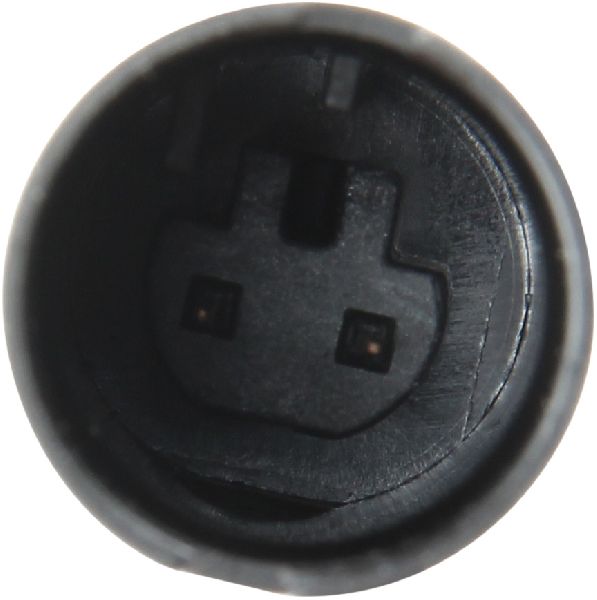
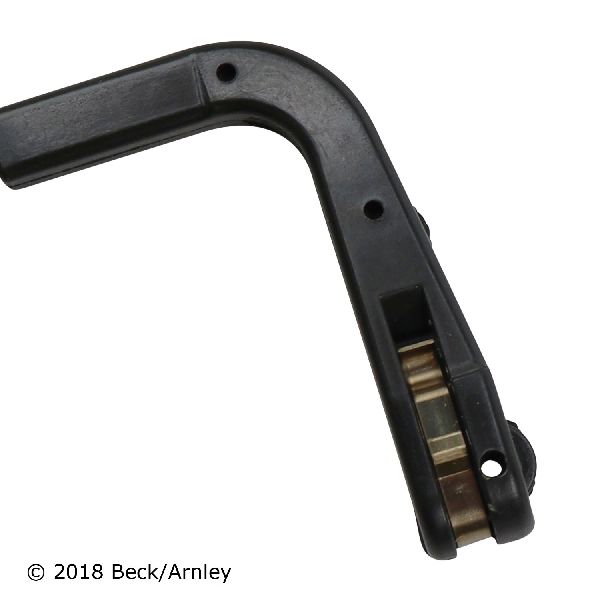
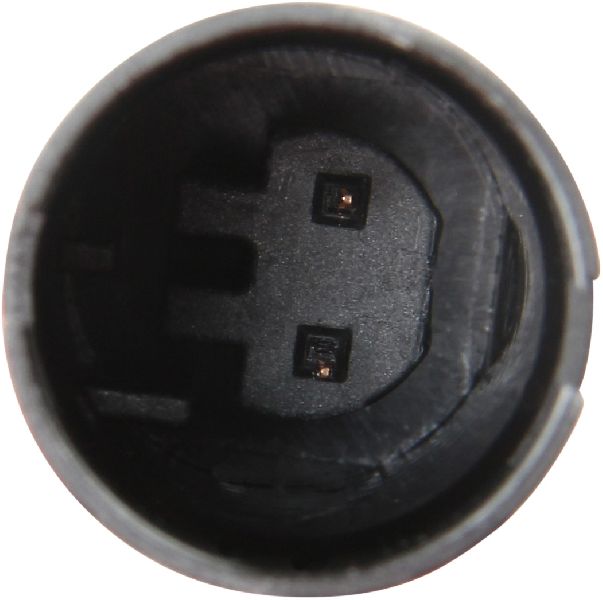
OEM Part Numbers: 34352229018 (Front) 34351163066 (Front, Replaced) 34353411757 (Rear)
Locations: Front Left & Rear Right. System Type: Single-Stage Contact Circuit.
We Have This Part in Stock

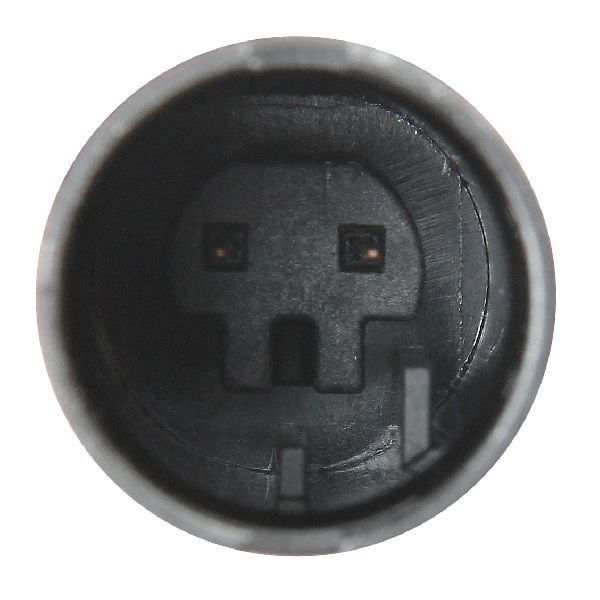

The information in this article is provided for general reference and educational purposes only. Vehicle specifications, procedures, and part compatibility can vary by production date, trim level, and region. Always consult your vehicle's factory service manual and verify part numbers before purchasing or performing repairs. Safety-critical components such as airbags, seat belts, and braking systems should be installed by a qualified professional.
- BMW M5:
- 🛍️ Shop This Part
- Symptoms of a Failing Brake Pad Wear Sensor
- Choosing the Right Aftermarket Sensor for Your M5
- Tier 1: OEM-Equivalent Brands
- Pro Tip: OEM vs. Aftermarket
- Tier 2: Reputable Aftermarket Brands
- Tier 3: Budget-Friendly Options
- A Word of Caution on Budget Sensors
- Aftermarket vs. OEM Cost for the 2000-2004 M5
- Frequently Asked Questions
- 🎟️ Get 5% Off