

Disc Brake Pad Set Guide for the 2000-2004 Chrysler Voyager
Get the right brake pads for your Voyager to ensure it stops safely and quietly.
- Listen for squealing, as it's the first sign your brake pads are worn. Don't wait for a grinding noise, which indicates a more serious and costly problem.
- For a 2000-2004 Voyager, quality aftermarket brands like Bosch, Wagner, or Raybestos offer the best combination of performance and value for daily driving.
- Always replace brake pads in pairs on the same axle (both front or both rear) and strongly consider replacing the rotors at the same time for best results.
- Properly lubricating caliper slide pins and hardware is essential to prevent noise and ensure even pad wear.
Is it Time for New Brake Pads?
Your 2000-2004 Chrysler Voyager will give you clear signs when the brake pads are worn out. Ignoring these symptoms can lead to more expensive repairs, like needing to replace the brake rotors, and can be unsafe. Pay attention to what your van is telling you.
Symptoms of Worn Brake Pads:
- Squealing or Screeching: Most brake pads have a small metal tab called a wear indicator. When the pad material gets low, this tab scrapes against the rotor, making a high-pitched noise to warn you it's time for a replacement.
- Grinding Noise: If you hear a harsh, metallic grinding sound, it means the brake pads are completely worn away. The metal backing plate of the pad is now grinding against the rotor, causing significant damage. This is a critical safety issue that needs immediate attention.
- Spongy or Soft Brake Pedal: If the brake pedal feels mushy or goes down further than usual, it could indicate a problem in the hydraulic system, possibly related to worn pads causing caliper pistons to overextend.
- Vehicle Pulling to One Side: If your Voyager pulls to the left or right when you brake, it could mean the pads on one side are more worn than the other, or a brake caliper is sticking.
Choosing the Right Aftermarket Brake Pads
For a vehicle like the 2000-2004 Chrysler Voyager, aftermarket brake pads offer excellent value and performance, often exceeding original equipment (OEM) quality. You don't need to go to the dealer. Here’s a breakdown of available brands to help you choose.
Aftermarket Brand Tiers for Chrysler Voyager
| Tier | Brands | Best For |
|---|---|---|
| Economy | Pronto, Dynamic Friction, Total Stopping Solutions | Basic, budget-friendly transportation. These pads will stop your van, but may wear faster or create more dust and noise than higher-tier options. |
| Daily Driver (Recommended) | Bosch QuietCast, Wagner Brakes, Raybestos Element3, Centric, ACDelco | This is the sweet spot for most Voyager owners. These brands offer a great balance of performance, low noise, durability, and price. Bosch and Wagner are frequently recommended for their quality and reliability in daily driving conditions. |
| Premium / Heavy Duty | Akebono, Brembo, Powerstop (Z16), EBC Brakes, Pagid | If you frequently carry heavy loads, tow a trailer, or live in a hilly area, upgrading to a premium ceramic or performance pad is a smart move. Akebono and Brembo are top-tier brands known for excellent stopping power, low dust, and quiet operation. |
Pro Tip: For this generation of Voyager, a quality ceramic pad from a "Daily Driver" or "Premium" brand is often the best choice. Ceramic pads generally offer quieter operation and less brake dust on your wheels compared to semi-metallic pads.
Known Issues, Recalls, and Service Bulletins
While searches for the 2000-2004 Chrysler Voyager did not reveal any specific recalls or Technical Service Bulletins (TSBs) for the disc brake pads themselves, some related issues have been noted. There was a recall on certain aftermarket ACDelco master cylinders that could leak in cold weather, affecting various Chrysler models including the 2000-2004 Voyager. Owners have also filed complaints with the NHTSA regarding issues like constant squeaking and grinding noises. Problems like a spongy pedal or pulling to one side are often traced back to sticking calipers or air in the brake lines, which should be inspected during a pad replacement.
Frequently Asked Questions (FAQ)
Should I replace my brake rotors with my pads?
It is highly recommended. While you can sometimes resurface rotors if they are within specification, new rotors are affordable and ensure the best performance and lifespan from your new pads. If your old rotors have grooves, signs of overheating (blue spots), or are warped, they must be replaced.
What's the difference between ceramic and semi-metallic pads?
Semi-metallic pads contain metal fibers and are good at dissipating heat, but can be noisy and produce more dust. Ceramic pads are made from a dense ceramic material, are very quiet, produce less dust, and are gentle on rotors, making them a popular upgrade for daily-driven vehicles like the Voyager.
My new brakes are squeaking. What did I do wrong?
It's common for new brakes to make some noise during the first few days, a period called "bedding-in." This is when a thin layer of the pad material transfers to the rotor. If the noise continues, it could be due to a lack of proper lubrication on the caliper pins and pad contact points, or if the new hardware clips weren't installed correctly.
Can I replace just the front or rear brake pads?
Yes. Brake pads are replaced in axle sets (both front wheels or both rear wheels). The front brakes on a Voyager do most of the work, so they will typically wear out faster than the rears. You do not need to replace all four sets at once.
What is "bedding-in" new brakes?
Bedding-in is the process of breaking in your new pads and rotors. After installation, find a safe, open area and perform several moderate stops from about 30 mph down to 10 mph. Then do a couple of harder stops from a higher speed. This process helps the pads and rotors mate properly, which prevents noise and ensures good stopping power.
Technical Specifications
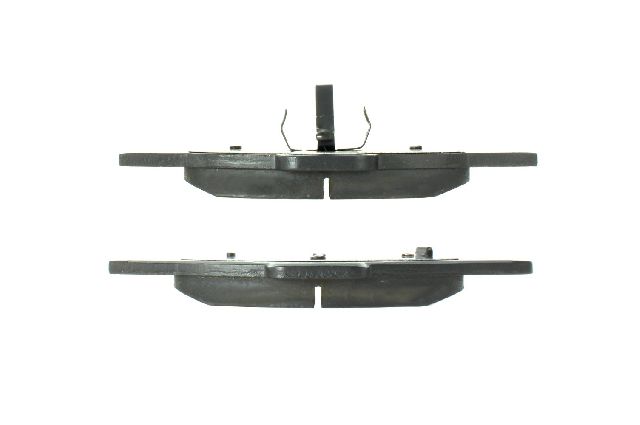
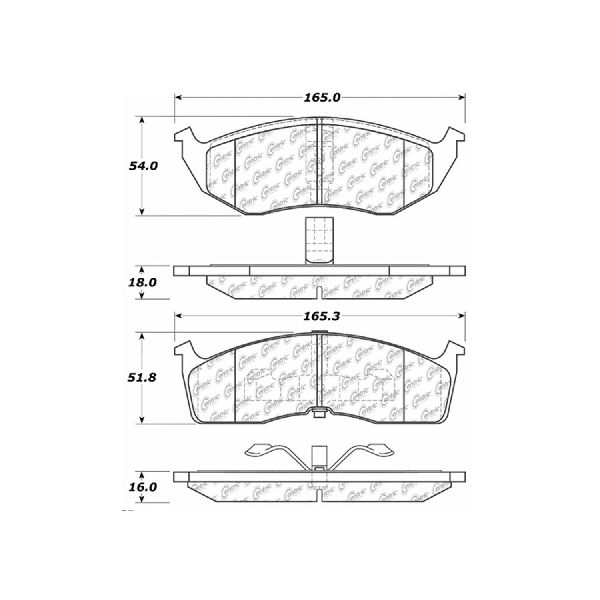
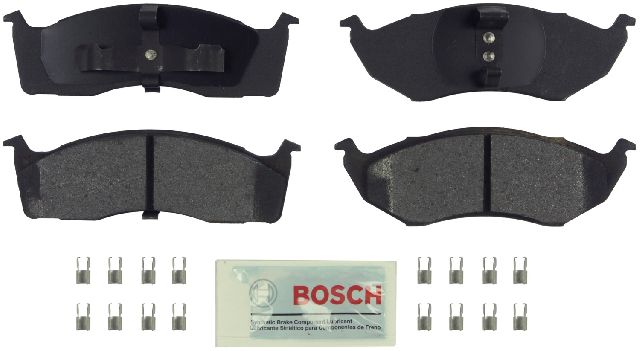
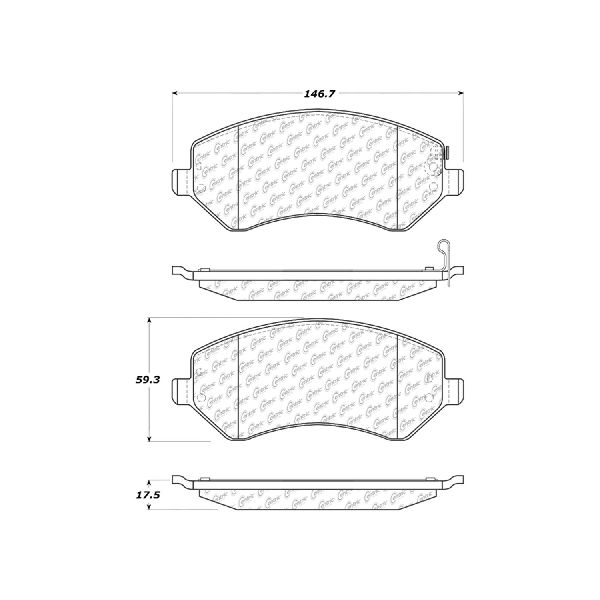
The 2000-2004 Chrysler Voyager uses a single-piston floating caliper design for its front disc brakes. Replacement requires compressing the caliper piston and lubricating the caliper slide pins. The rear brakes on many models are drum brakes, which use shoes instead of pads.
We Have This Part in Stock
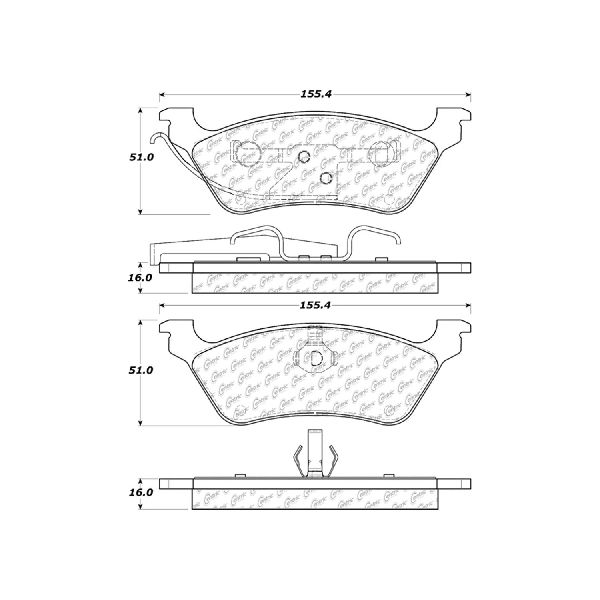
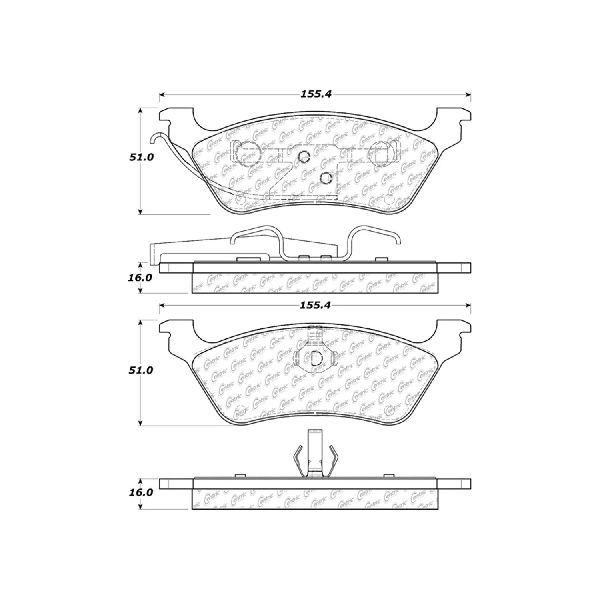

The information in this article is provided for general reference and educational purposes only. Vehicle specifications, procedures, and part compatibility can vary by production date, trim level, and region. Always consult your vehicle's factory service manual and verify part numbers before purchasing or performing repairs. Safety-critical components such as airbags, seat belts, and braking systems should be installed by a qualified professional.
- Chrysler Voyager: