

Engine Coolant Temperature Sensor Guide for 2000-2004 Chrysler Voyager
Is your Voyager running rough, getting bad gas mileage, or showing a check engine light? Your coolant sensor could be the problem.
- A bad ECT sensor on your Voyager can cause a check engine light, poor gas mileage, rough running, and overheating.
- Common fault codes are P0117 and P0118. An OBD-II scanner can confirm the issue.
- For sensors, it's best to choose a quality brand like Mopar, Delphi, or NGK to avoid issues.
- Replacement is a simple DIY job for most, taking about 30 minutes with basic tools.
Is My Voyager's Coolant Temperature Sensor Failing?
A bad coolant temperature sensor can cause a surprising number of problems. Because the engine's computer relies on this sensor for information, a wrong signal can make the computer think the engine is hot when it's cold, or cold when it's hot. This can lead to several noticeable issues.
Top 5 Symptoms of a Bad ECT Sensor:
- Check Engine Light: This is often the first sign. The computer will detect a signal from the sensor that is out of the normal range and trigger a fault code. Common codes include P0117 (circuit low) and P0118 (circuit high).
- Poor Fuel Economy: If the sensor wrongly tells the computer the engine is cold, the computer will enrich the fuel mixture, thinking it needs more fuel to warm up. This wastes gas.
- Black Smoke from Exhaust: A very rich fuel mixture, caused by a bad sensor, can result in unburned fuel leaving the engine. This unburned fuel can burn in the hot exhaust pipe, creating black smoke.
- Rough Idle and Hard Starting: An incorrect temperature reading can lead to the wrong fuel and air mix, causing your Voyager to run rough, hesitate, or be difficult to start, especially when the engine is cold.
- Cooling Fans Act Up: The fans might run all the time, even when the engine is cold, or they might not turn on when the engine is actually overheating. This is because the sensor is giving the computer false information about the engine's temperature.
Can I Still Drive with a Bad ECT Sensor?
It is not recommended. Driving with a faulty ECT sensor can lead to poor performance, high fuel consumption, and potentially engine overheating if the fans don't turn on correctly. Some vehicles may enter a "limp mode" to prevent damage, which severely limits engine power. It's best to get it replaced soon.
Choosing the Right Aftermarket Sensor for Your Voyager
You don't have to buy the most expensive sensor to get a reliable part for your Voyager. Aftermarket parts come in different quality tiers. For a simple but critical sensor like this, it's wise to stick with known, reputable brands.
| Brand Tier | Brands | What to Expect |
|---|---|---|
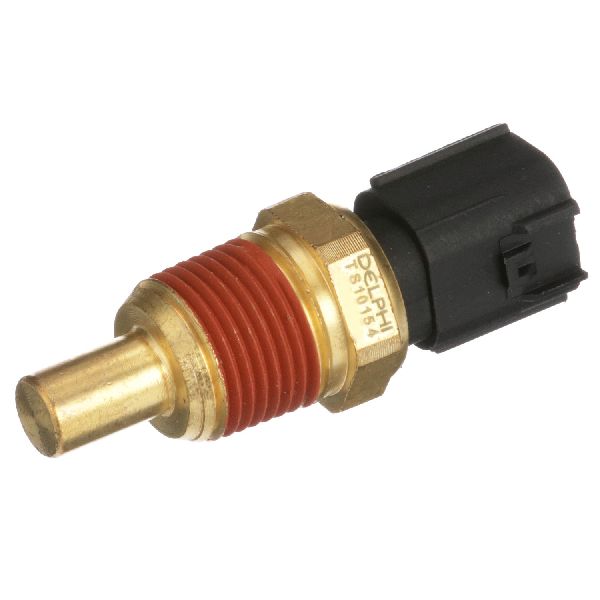
| Premium / OEM-Equivalent | Mopar, Delphi, NGK/NTK, Standard Ignition (SMP) | These brands are often original equipment manufacturers or have a strong reputation for quality and reliability. Forum users often recommend sticking with Mopar or high-quality aftermarket brands like Delphi or NGK for sensors to avoid early failure or incorrect readings. These are your safest bet for a long-lasting, accurate repair. |
| Standard Aftermarket | Holstein, Walker Products, Four Seasons | These are well-known aftermarket brands that offer a good balance of price and quality. They are generally reliable for most daily driving needs and a solid choice if the premium options are out of budget. |
| Economy | Global Parts, True Tech, other store brands | While very affordable, these sensors may have a higher chance of premature failure or less precise readings compared to higher-tier brands. They can work in a pinch, but for a critical sensor, it's often worth spending a little more for peace of mind. |
Pro Tip: Check the Connector
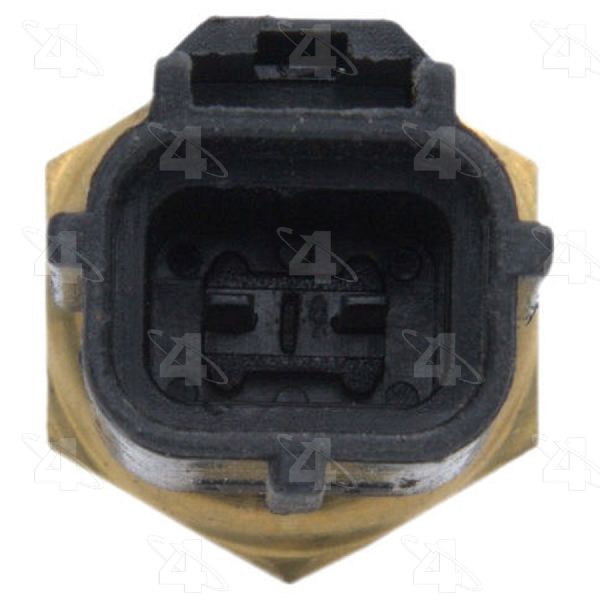
Sometimes the problem isn't the sensor itself, but a corroded or loose electrical connector. Before you replace the sensor, inspect the wiring and connector for any green corrosion or damage. Wiggling the connector with the engine running might cause the temperature gauge to change, pointing to a bad connection rather than a bad sensor.
Frequently Asked Questions (FAQ)
Where is the coolant temperature sensor located on a 2000-2004 Chrysler Voyager?
On the 3.3L V6 engine, the ECT sensor is typically located on the front of the engine, near the thermostat housing and behind the dipstick. You may need to move the ignition coil pack out of the way to access it. Always let the engine cool down completely before working on the cooling system.
Do I need to drain the coolant to replace the sensor?
Yes, you should drain some of the coolant before removing the old sensor. If you don't, coolant will spill out of the sensor port when you unscrew it. Place a clean drain pan underneath to catch the coolant, which you can reuse if it's in good condition. Some mechanics try to be very quick and swap the sensors with minimal loss, but it's safer to drain a bit first.
What tools do I need to replace the ECT sensor?
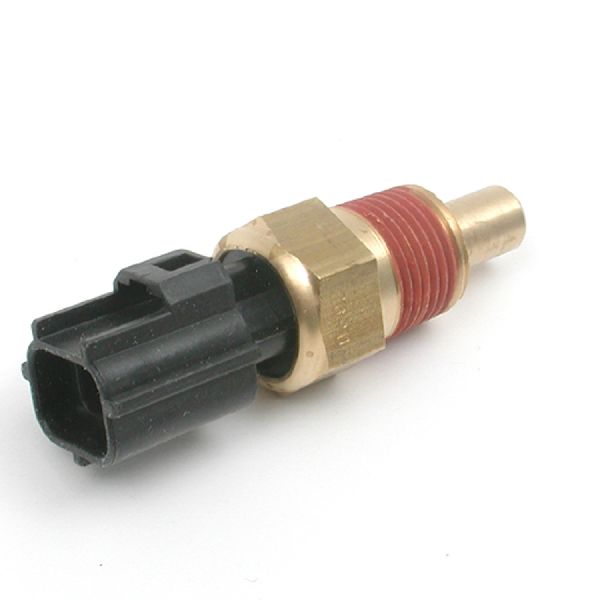
The job is fairly simple and requires basic tools. You will likely need a ratchet with a deep well socket (a 3/4 inch or 19mm is common), a drain pan, and possibly a flathead screwdriver to help release the electrical connector clip. Some new sensors come with thread sealant already applied, but if not, you may need to apply some to the threads of the new sensor.
Are there any recalls for the coolant temperature sensor on my Voyager?
Based on searches of the National Highway Traffic Safety Administration (NHTSA) database, there are no specific recalls for the engine coolant temperature sensor on the 2000-2004 Chrysler Voyager.
Technical Specifications
OEM Part Numbers: 5269870AB
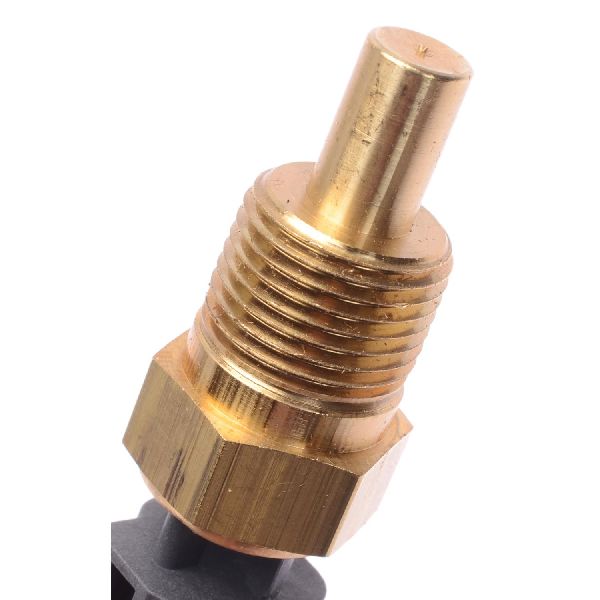
Typically a 2-pin, threaded thermistor sensor. The connector is a key point of failure and should be inspected.
We Have This Part in Stock


The information in this article is provided for general reference and educational purposes only. Vehicle specifications, procedures, and part compatibility can vary by production date, trim level, and region. Always consult your vehicle's factory service manual and verify part numbers before purchasing or performing repairs. Safety-critical components such as airbags, seat belts, and braking systems should be installed by a qualified professional.
- Chrysler Voyager: