

Chrysler Voyager Crankshaft Position Sensor: 2000-2004 Replacement Guide
Fix stalling and no-start problems by understanding the right aftermarket crankshaft position sensor for your Voyager.
- A failing sensor is a common cause of sudden stalling and no-start issues in the 2000-2004 Voyager.
- For reliability, choose a top-tier aftermarket brand like NGK/NTK or Delphi, as cheap sensors are known to fail prematurely.
- The sensor is located on the transmission bell housing; replacement is a manageable DIY job for most home mechanics.
- Always inspect the sensor's wiring and connector for damage or oil contamination during replacement.
Is Your Voyager Stalling? It Could Be the Crankshaft Sensor
If your 2000-2004 Chrysler Voyager suddenly stalls, has trouble starting, or the check engine light is on, a bad crankshaft position sensor is a likely cause. This sensor is essential for engine operation, and when it fails, it can leave you stranded. This guide will help you understand the symptoms, choose the right aftermarket replacement, and know what to expect for costs.
Symptoms of a Failing Crankshaft Position Sensor
A failing sensor often gives clear warning signs. The most common and dangerous symptom is the engine stalling without warning while driving. You might also find the engine cranks but won't start, or it takes a long time to finally turn over. Other signs include a rough idle, engine misfires, poor acceleration, and a noticeable drop in gas mileage. Often, these symptoms will trigger the Check Engine Light and store a trouble code like P0335.
Known Issues: Recalls and TSBs
While there were no recalls specifically for the 2000-2004 Chrysler Voyager's crankshaft sensor, a recall (NHTSA ID: 04V112000) was issued for some 2004 Jeep Grand Cherokees with the 4.0L engine for a similar issue. The sensor's wiring insulation could crack, and moisture could cause the engine to stall. While not the same vehicle, it highlights that sensor wiring can be a weak point, so always inspect the wiring and connector for damage, oil, or corrosion when replacing the sensor.
Choosing the Right Aftermarket Sensor: Brand Tiers
For a critical sensor like this, brand quality matters. While an OEM Mopar part is an option, many aftermarket brands offer excellent quality, sometimes from the same factory that makes the original part. Based on owner feedback and mechanic consensus, here is a breakdown of brand quality.
Tier 1: OEM Quality & Top-Tier Aftermarket
These brands are widely trusted by mechanics for critical electronic sensors and are often the original equipment manufacturer for Chrysler and other automakers.
- NGK / NTK: Frequently cited as the OEM manufacturer for many Chrysler sensors. This is often the most recommended aftermarket choice for reliability.
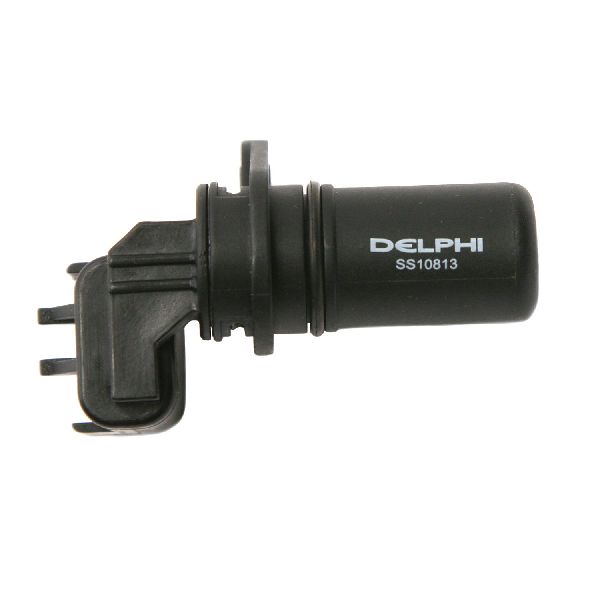
- Delphi: A major OEM supplier with a strong reputation for quality electronics.
- Hitachi: Another well-regarded Japanese electronics manufacturer known for producing reliable sensors.
- Standard Ignition (SMP): A long-standing brand that is generally considered a reliable choice, often seen as a solid second to NGK/NTK.
Tier 2: Reliable Mid-Range Options
These brands provide a good balance of price and quality and are a dependable choice for most repairs.
- Beck Arnley: Known for sourcing parts from various OEM suppliers, often providing a quality part without the OEM price tag.
- Dorman: While some of their parts can be hit-or-miss, their sensors are generally considered a decent budget-friendly option.
- Walker Products: A known name in fuel and engine management parts.
Tier 3: Budget-Friendly Choices
These brands can work if you are on a tight budget, but for a sensor that can cause stalling, investing in a higher-tier brand is strongly recommended for peace of mind.
- Encore Automotive
- Global Parts
- Prenco
- True Tech
A Note on OEM vs. Aftermarket
For many electronic parts on Chrysler vehicles, owners and mechanics often report the best results with either the original Mopar part or a top-tier aftermarket brand like NGK/NTK. Cheaper, unbranded sensors have a higher reported failure rate, sometimes failing right out of the box or within a few months. Spending a little more on a quality sensor can save you the headache of doing the job twice.
Cost to Replace a Chrysler Voyager Crankshaft Sensor
| Part Type | Estimated Cost |
|---|---|
| New Aftermarket Part | $21.83 - $114.84 |
| New OEM (Mopar) Part | $85 - $125 |
| Shop Labor | $90 - $150 |
| Total Estimated Cost | $112 - $265 |
Frequently Asked Questions (FAQ)
Where is the crankshaft position sensor located on a 2000-2004 Chrysler Voyager?
The crankshaft position sensor is typically located on the transmission bell housing, near where the engine and transmission meet. It reads slots cut into the flywheel to determine the crankshaft's speed and position. Access can be tight, and you may need to work from underneath the vehicle.
Can I replace the crankshaft sensor myself?
Yes, this is a DIY-feasible job for someone with basic mechanical skills and tools. It usually involves disconnecting the battery, unplugging the electrical connector, and removing one or two bolts holding the sensor in place. However, access can be the main challenge, and sometimes other components may need to be moved.
What happens if I don't replace a bad crankshaft sensor?
Ignoring a failing crankshaft sensor is risky. The engine stalling can become more frequent and happen at any time, including at high speeds, which is a major safety hazard. Eventually, the sensor will fail completely, and the engine will not start at all.
Why do the prices for aftermarket sensors vary so much?
The price difference reflects the quality of the internal electronics, the materials used for the housing, and the level of quality control during manufacturing. Higher-priced sensors from brands like NGK or Delphi use components that are more durable and tested to meet or exceed OEM specifications, leading to better reliability and a longer lifespan.
Technical Specifications
OEM Part Numbers: 4609083 4609153 PC243 5S1413
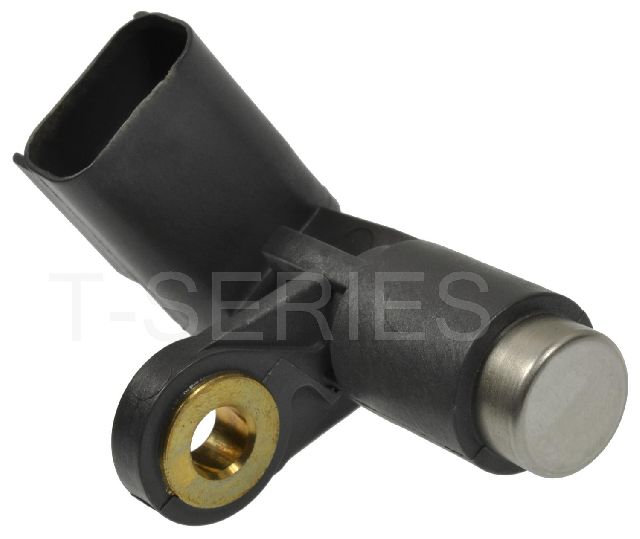
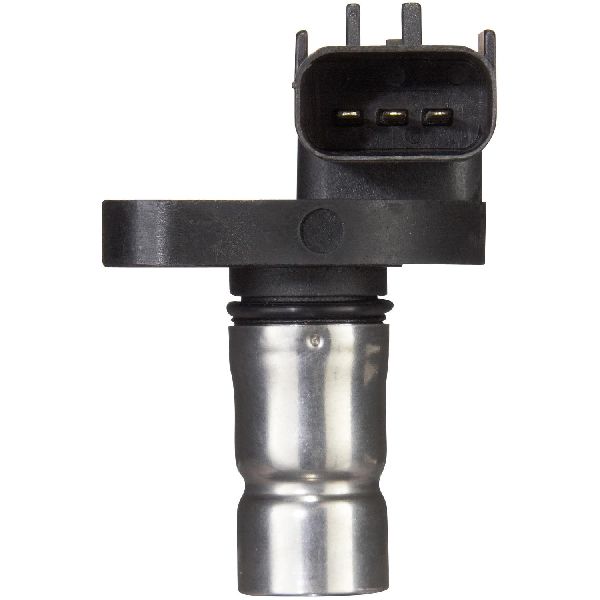
The crankshaft position sensor for the 2000-2004 Chrysler Voyager is a magnetic hall-effect sensor that generates a voltage signal as the slotted flywheel rotates past it. It typically uses a 2-pin or 3-pin connector. The third pin, if present, is a shield to protect the signal integrity.
We Have This Part in Stock


The information in this article is provided for general reference and educational purposes only. Vehicle specifications, procedures, and part compatibility can vary by production date, trim level, and region. Always consult your vehicle's factory service manual and verify part numbers before purchasing or performing repairs. Safety-critical components such as airbags, seat belts, and braking systems should be installed by a qualified professional.
- Chrysler Voyager:
- 🛍️ Shop This Part
- Is Your Voyager Stalling? It Could Be the Crankshaft Sensor
- Symptoms of a Failing Crankshaft Position Sensor
- Known Issues: Recalls and TSBs
- Choosing the Right Aftermarket Sensor: Brand Tiers
- Tier 1: OEM Quality & Top-Tier Aftermarket
- Tier 2: Reliable Mid-Range Options
- Tier 3: Budget-Friendly Choices
- A Note on OEM vs. Aftermarket
- Cost to Replace a Chrysler Voyager Crankshaft Sensor
- Frequently Asked Questions (FAQ)
- 🎟️ Get 5% Off