

Chrysler Voyager Oxygen Sensor Guide: 2000-2004
Fix your check engine light and restore fuel economy by choosing the right oxygen sensor for your minivan.
- Your Voyager has two sensors; use an OBD-II scanner to identify if the upstream or downstream sensor has failed.
- Stick with OEM-quality brands like Denso or NGK for the most reliable performance on a Chrysler.
- Replacing a bad O2 sensor can improve gas mileage and prevent costly damage to the catalytic converter.
- A direct-fit sensor is strongly recommended over a universal one to avoid wiring problems.
Is Your Voyager's Oxygen Sensor Failing?
A bad oxygen sensor can cause several noticeable problems. Because the engine's computer isn't getting the right information, it may use too much fuel, causing poor performance. You should replace a failing oxygen sensor as soon as possible to restore fuel economy and prevent more expensive damage to your catalytic converter.
Upstream vs. Downstream: Which Sensor Do You Need?
Your 2000-2004 Chrysler Voyager has two oxygen sensors. It is important to identify which one needs replacement before you buy.
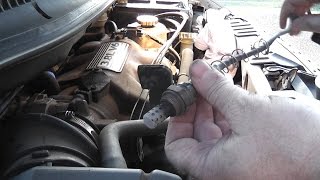
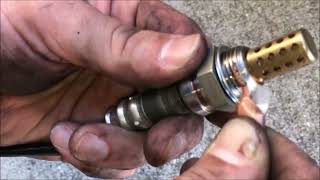
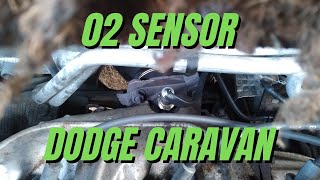
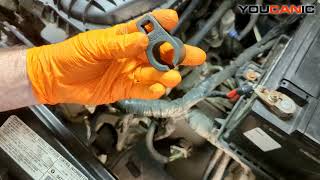
- Upstream Sensor (Bank 1, Sensor 1): This sensor is located on the exhaust manifold, before the catalytic converter. 🎬 Watch this walkthrough for replacing the upstream sensor. It is the primary sensor for measuring the air-fuel ratio.
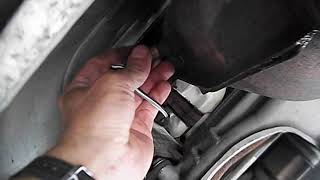
- Downstream Sensor (Bank 1, Sensor 2): This sensor is located after the catalytic converter. Its main job is to monitor the converter's efficiency. 🎬 See how to remove the downstream oxygen sensor.
Pro Tip: Diagnostic trouble codes (DTCs) from an OBD-II scanner will tell you which sensor has failed. For example, codes like P0135 point to the upstream sensor, while codes like P0141 point to the downstream sensor.
Choosing the Right Aftermarket Oxygen Sensor
For a vehicle like the 2000-2004 Voyager, high-quality aftermarket oxygen sensors offer the same performance as OEM parts without the high dealer price tag. However, quality can vary greatly between brands. It's best to stick with reputable manufacturers that are often the original suppliers to automakers.
Brand Quality Tiers for Your Voyager
Tier 1: OEM Quality (Recommended)
- Denso & NGK/NTK: These brands are major OEM suppliers for many automakers, including Chrysler. They are widely regarded as the best choice for reliability and performance, matching the original part's specifications. Forum users frequently recommend sticking with Denso or Mopar (which is often a rebranded Denso) for Chrysler vehicles to avoid compatibility issues.
- Bosch: As the inventor of the oxygen sensor, Bosch has a long reputation for quality. They are a solid choice and considered OEM-level, though some forum members prefer Denso or NGK for Chrysler applications.
Tier 2: Quality Aftermarket
- Delphi: A well-respected aftermarket brand that produces reliable sensors.
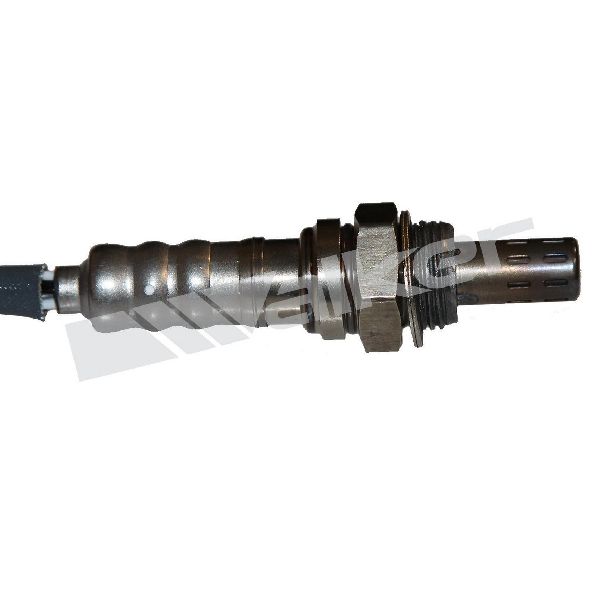
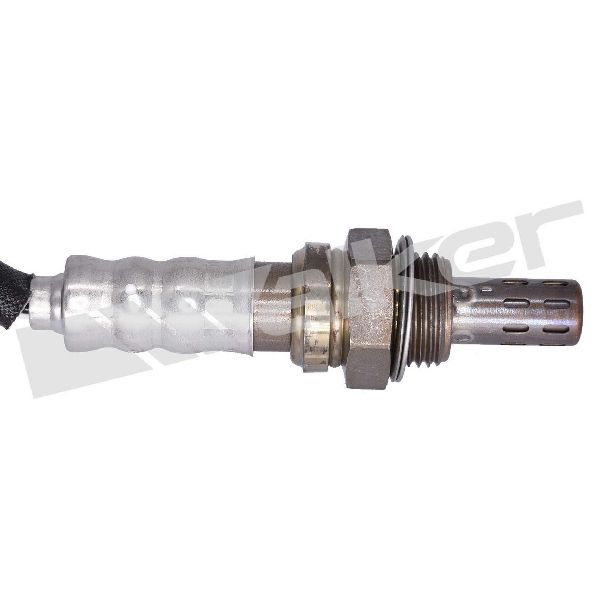
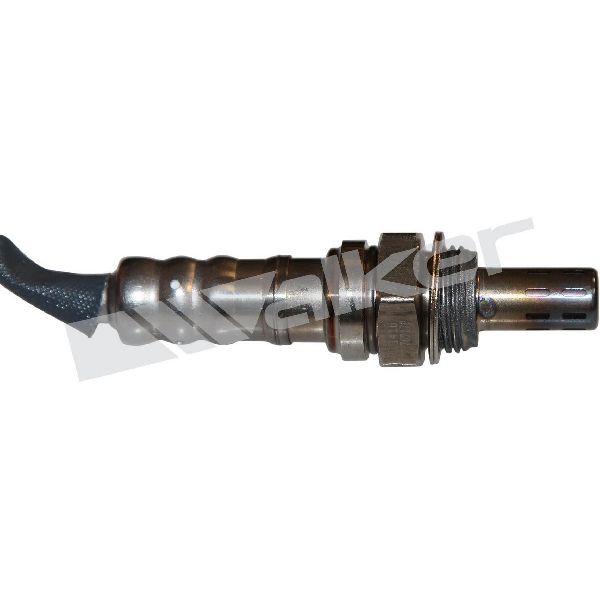
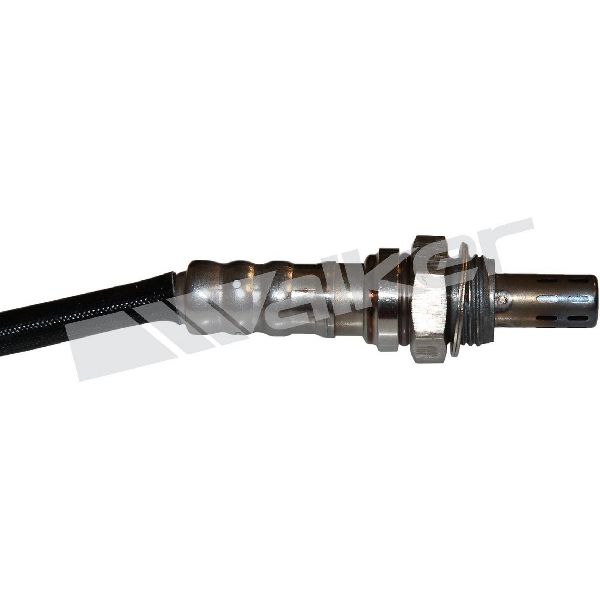
- Walker Products: A known aftermarket exhaust and emissions part manufacturer offering a dependable option.
- Spectra: Offers a range of aftermarket parts, including sensors that provide good value.
Tier 3: Budget Options
- DriveWire & Vemo: These brands offer a more budget-friendly price point. While functional, they may not have the same longevity or precise calibration as the higher-tiered brands. They can be a viable option for a budget-conscious repair, but be aware of potential for shorter lifespan.
A Note on Universal Sensors
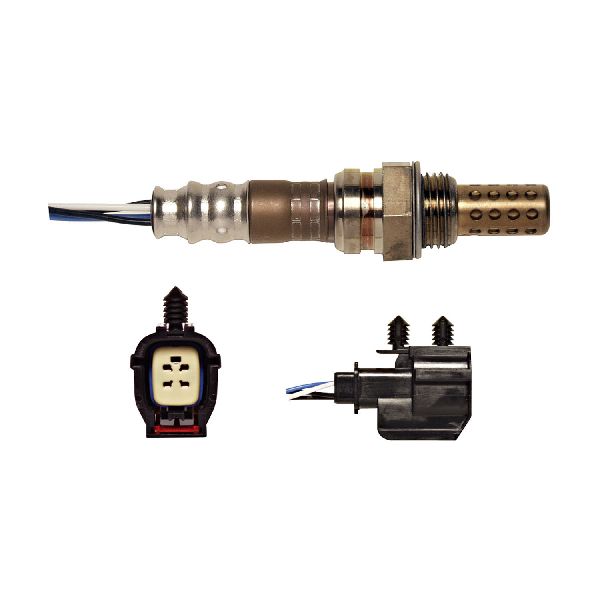
You may see "universal" oxygen sensors that require you to cut and splice your old connector onto the new sensor. While cheaper, this introduces a potential point of failure. For a reliable, long-lasting repair, a direct-fit sensor with the correct plug is always recommended.
Estimated Costs for Oxygen Sensor Replacement
| Part Type | Estimated Cost |
|---|---|
| New Aftermarket Sensor | $25 - $99 |
| New OEM (Mopar) Sensor | $95 - $145 |
| Shop Labor | $60 - $150 |
| Total Professional Replacement | $150 - $400+ |
Frequently Asked Questions (FAQ)
How many oxygen sensors does my 2000-2004 Voyager have?
Your Voyager has two oxygen sensors: one upstream (before the catalytic converter) and one downstream (after the catalytic converter).
Can I replace just one oxygen sensor?
Yes. You only need to replace the sensor that has failed. An OBD-II scanner will provide a trouble code that identifies the specific sensor. However, if your vehicle has high mileage (over 100,000 miles), it's sometimes recommended to replace them in pairs as the other may not be far from failing.
Is this a difficult DIY job?
For a moderately experienced DIYer, this is a manageable job. The main challenges are accessing the sensors (especially the upstream one) and removing the old sensor, which can be seized in the exhaust pipe due to rust and heat. A special oxygen sensor socket is highly recommended.
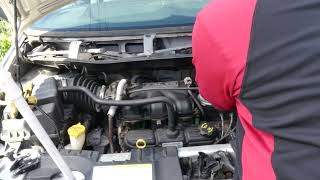
🎬 Watch a complete DIY replacement guide for this vehicle.Can I clean my old oxygen sensor instead of replacing it?
No. Cleaning is not recommended and is generally ineffective. The sensor's internal components wear out over time, and attempts to clean the exterior will not restore its function. Contaminants like oil and coolant cause internal failure that cannot be reversed.
Are there any recalls for my Voyager's oxygen sensor?
No, there are no specific recalls for oxygen sensors on the 2000-2004 Chrysler Voyager according to NHTSA searches. However, a Technical Service Bulletin (TSB) exists for some Chrysler vehicles that addresses wiring issues related to O2 sensors, which could cause similar symptoms.
Helpful Videos
Technical Specifications
OEM Part Numbers: 56028996AA
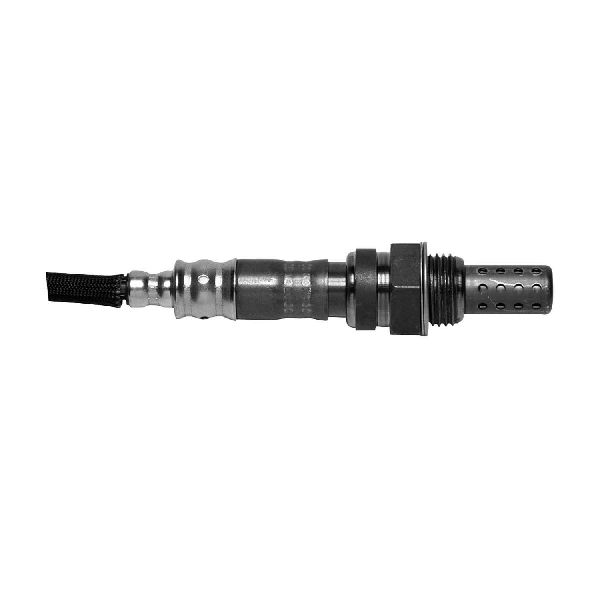
Number of Sensors: 2 (1 Upstream, 1 Downstream). Connector Type: Vehicle-specific, 4-pin. Thread Size: 18mm x 1.5mm.
We Have This Part in Stock

The information in this article is provided for general reference and educational purposes only. Vehicle specifications, procedures, and part compatibility can vary by production date, trim level, and region. Always consult your vehicle's factory service manual and verify part numbers before purchasing or performing repairs. Safety-critical components such as airbags, seat belts, and braking systems should be installed by a qualified professional.
- Chrysler Voyager:
- 🎬 Helpful Videos
- 🛍️ Shop This Part
- Is Your Voyager's Oxygen Sensor Failing?
- Upstream vs. Downstream: Which Sensor Do You Need?
- Choosing the Right Aftermarket Oxygen Sensor
- Brand Quality Tiers for Your Voyager
- A Note on Universal Sensors
- Estimated Costs for Oxygen Sensor Replacement
- Frequently Asked Questions (FAQ)
- 🎟️ Get 5% Off