

Chrysler Voyager Steering Tie Rod End Replacement Guide (2000-2004)
Fix steering wander and clunking noises on your Voyager by choosing the right tie rod ends.
- A mandatory wheel alignment is required immediately after replacing any tie rod end to prevent tire damage and ensure safety.
- Symptoms include loose steering, clunking noises from the front end, and uneven tire wear.
- Choosing an aftermarket brand with a greasable fitting (like Moog or some Delphi parts) can be a long-term upgrade over the sealed factory parts.
- No specific recalls or TSBs for tie rod failure were found for the 2000-2004 Voyager, but steering shudder TSBs relate to different power steering components.
Is Your Voyager's Steering Feeling Loose?
If your 2000-2004 Chrysler Voyager has developed a mind of its own on the road, with loose steering, wandering, or clunking sounds when you turn, there's a good chance its steering tie rod ends are worn out. These parts are crucial for steering control and safety. Because they are constantly moving, they are subject to wear from normal use and damage from road hazards like potholes. Ignoring a bad tie rod can lead to severe tire wear, poor handling, and in a worst-case scenario, a complete loss of steering control on one wheel.
Symptoms of a Failing Tie Rod End
- Loose or Shaky Steering: You may feel excessive play or vibration in the steering wheel. The van might feel like it's wandering on the road, requiring constant correction.
- Clunking or Knocking Noises: A distinct clunk or pop from the front end when turning at low speeds or going over bumps is a common sign. This is caused by the worn joint moving around excessively.
- Uneven Tire Wear: A bad tie rod throws off the wheel alignment, causing the inside or outside edge of your front tires to wear down much faster than the rest of the tread.
Choosing the Right Aftermarket Tie Rod End
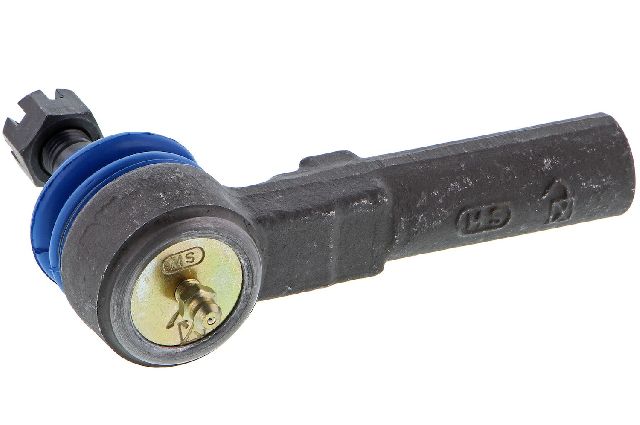
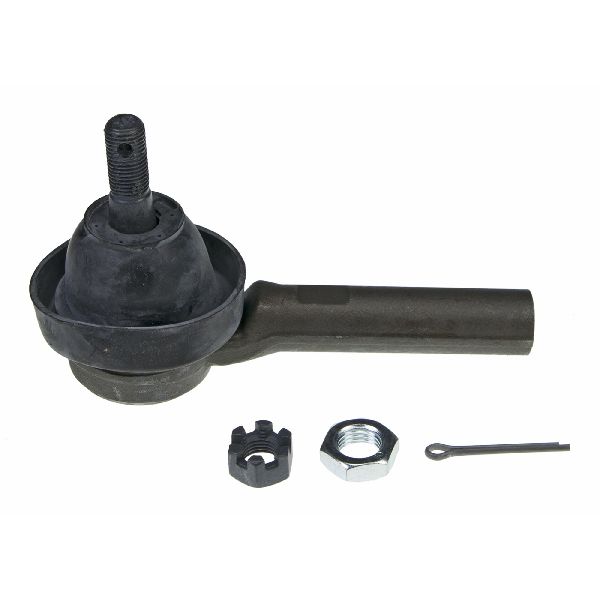
For the 2000-2004 Voyager, you don't need to pay dealership prices for a quality part. Aftermarket brands offer a range of options that often meet or exceed original equipment (OEM) quality. The main choice is between premium and standard-grade parts.
Pro Tip: Greasable vs. Sealed Joints
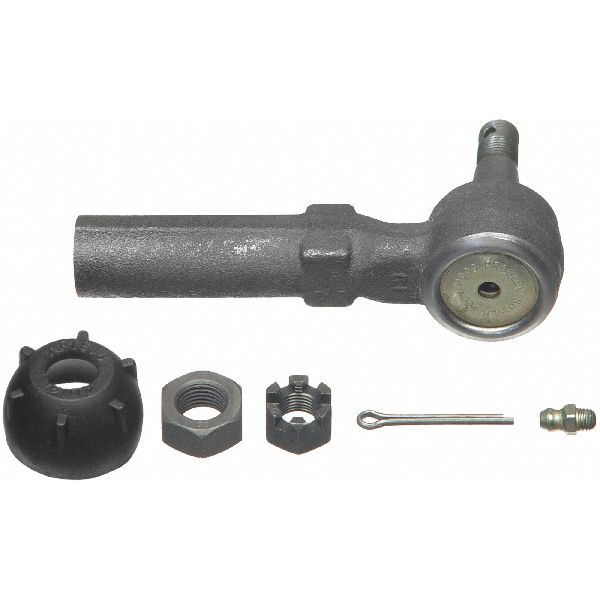
Many aftermarket tie rods, especially from brands like Moog, feature a grease fitting (zerk fitting). This allows you to periodically add fresh grease, which flushes out contaminants and extends the part's life. Original factory parts are typically sealed and non-greasable. For a vehicle of this age, choosing a greasable part is a smart upgrade for longevity.
Brand Quality Tiers
- Premium Brands (Moog, Delphi): These brands are well-regarded for their quality and durability, often considered equivalent or superior to OEM parts. Moog, in particular, is known for its "Problem Solver" line which often features stronger, all-metal construction and greasable fittings. Delphi is also a top-tier OEM supplier known for reliable performance.
- Standard/Value Brands (Dorman, Mevotech, QuickSteer): These brands offer a good balance of quality and affordability for daily driving. Mevotech provides decent quality for the price, while Dorman is a popular choice for cost-effective repairs. While they may not have the same heavy-duty construction as premium lines, they are a perfectly suitable option for most owners.
- Other Brands (Crown, MAS, Suspensia): These brands provide additional options in the market, often focusing on providing a direct, budget-friendly replacement for the original part.
Known Issues for 2000-2004 Chrysler Voyager
Searches for recalls and Technical Service Bulletins (TSBs) did not reveal any specific campaigns for steering tie rod end failure on the 2000-2004 Chrysler Voyager. However, Chrysler did issue TSBs (like 19-006-05) for this vehicle generation related to a "steering shudder" felt at low speeds, which was addressed by modifying power steering hoses or adding a cooler, not by replacing tie rods. This is a separate issue from the clunking and looseness caused by a bad tie rod end.
Cost to Replace Chrysler Voyager Tie Rod Ends
| Component / Service | Estimated Cost |
|---|---|
| New Aftermarket Outer Tie Rod End (Part Only) | $17 - $69 |
| New OEM Outer Tie Rod End (Part Only) | $30 - $50 |
| Shop Labor (Replacement) | $80 - $150 |
| Required Wheel Alignment | $100 - $150 |
| Total Estimated Cost (DIY + Alignment) | $117 - $219 |
| Total Estimated Cost (Shop Install) | $197 - $369 |
Note: Prices are estimates and can vary by location and specific part brand. Replacing a tie rod end always requires a professional wheel alignment afterward.
Frequently Asked Questions
Do I have to get an alignment after replacing a tie rod end?
Yes, absolutely. Replacing a tie rod end, even if you try to match the length of the old one, will change your vehicle's wheel alignment. Skipping the alignment will cause poor handling and rapid, uneven tire wear. Consider it a required final step of the repair.
Should I replace the inner and outer tie rods at the same time?
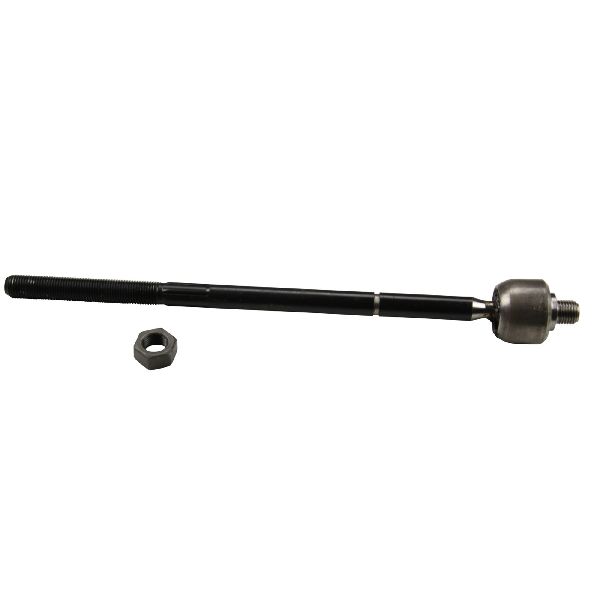
Not necessarily. You only need to replace the part that is worn. A mechanic can check both the inner and outer tie rods for play. However, if one is bad, it's a good idea to inspect the other one on the same side carefully, as they have experienced similar wear. If you're paying for labor and an alignment, replacing both at once can save money in the long run if the other part is also near the end of its life.
Should I replace tie rods in pairs (left and right sides)?
While not strictly required, it's generally recommended. Tie rods on both sides of the vehicle wear at a similar rate. If the driver's side has failed, the passenger's side is likely not far behind. Replacing them in pairs ensures even steering response and saves you from a repeat repair job in the near future.
What tools are needed to replace a tie rod end?
The job requires a good socket set, wrenches, a jack and jack stands, and a special tool called a tie rod end puller or a pickle fork to separate the joint from the steering knuckle. Sometimes a large hammer can also be used. Because of the tools and the required alignment, many owners choose to have a shop perform the work.
Technical Specifications
OEM Part Numbers: 4797706
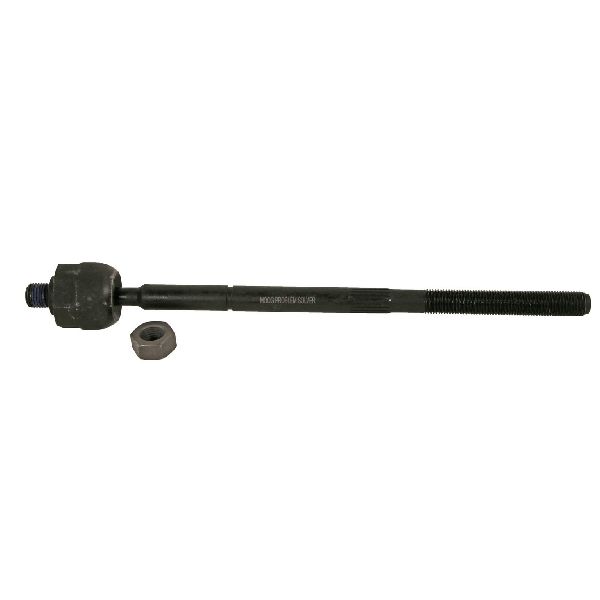
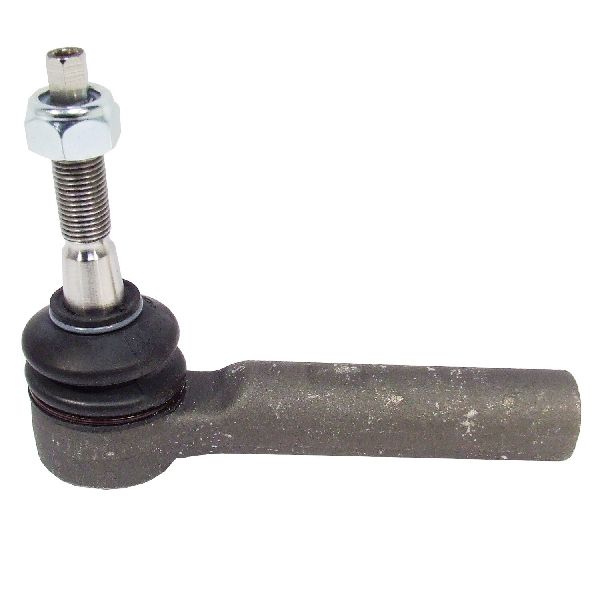
The 2000-2004 Chrysler Voyager uses a front steering system with separate inner and outer tie rod ends on each side. The outer tie rod end connects to the steering knuckle via a tapered stud and castle nut. The inner tie rod connects to the steering rack. Adjustment for wheel alignment (toe) is made by turning the inner tie rod or an adjusting sleeve between the inner and outer rods.
We Have This Part in Stock

The information in this article is provided for general reference and educational purposes only. Vehicle specifications, procedures, and part compatibility can vary by production date, trim level, and region. Always consult your vehicle's factory service manual and verify part numbers before purchasing or performing repairs. Safety-critical components such as airbags, seat belts, and braking systems should be installed by a qualified professional.
- Chrysler Voyager:
- 🛍️ Shop This Part
- Is Your Voyager's Steering Feeling Loose?
- Symptoms of a Failing Tie Rod End
- Choosing the Right Aftermarket Tie Rod End
- Pro Tip: Greasable vs. Sealed Joints
- Brand Quality Tiers
- Known Issues for 2000-2004 Chrysler Voyager
- Cost to Replace Chrysler Voyager Tie Rod Ends
- Frequently Asked Questions
- 🎟️ Get 5% Off