

A Guide to Replacing the Catalytic Converter on Your 2000-2004 Dodge Dakota
Diagnose common failure symptoms and choose the right aftermarket part for your truck.
- Always diagnose and fix the root cause of failure (like bad O2 sensors or misfires) before installing a new converter.
- Choose a direct-fit converter for a much easier, bolt-on installation; universal parts require professional welding.
- Verify if your state requires a more expensive CARB-compliant converter before purchasing.
- It is best practice to replace the upstream and downstream oxygen sensors at the same time as the converter.
Is Your Dakota's Catalytic Converter Failing?
A failing catalytic converter can cause noticeable problems with your truck's performance. The most common sign is the check engine light turning on, often with codes P0420 or P0430, which point to low converter efficiency. You might also experience a significant loss of power, poor acceleration, and worse gas mileage. Some owners report a rattling sound from under the truck, which happens when the honeycomb material inside the converter breaks apart. In some cases, you may smell sulfur or rotten eggs from the exhaust.
Address the Root Cause First
Catalytic converters usually fail because of another problem. Common causes include a bad oxygen sensor, engine misfires from worn spark plugs, or an engine burning oil or coolant. If you don't fix the original issue, your new converter will likely fail quickly. Always diagnose and repair the root cause before installing a new part.
Choosing the Right Aftermarket Converter
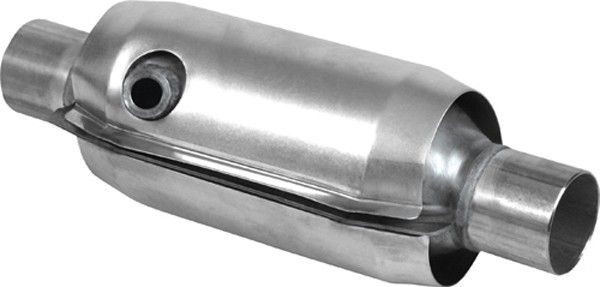
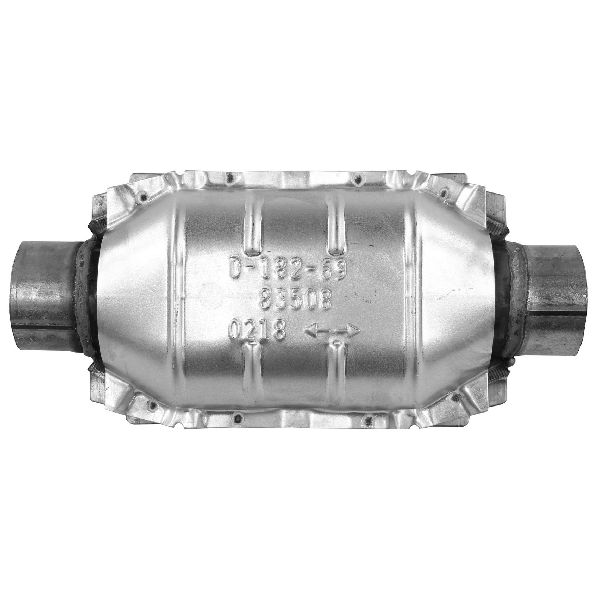
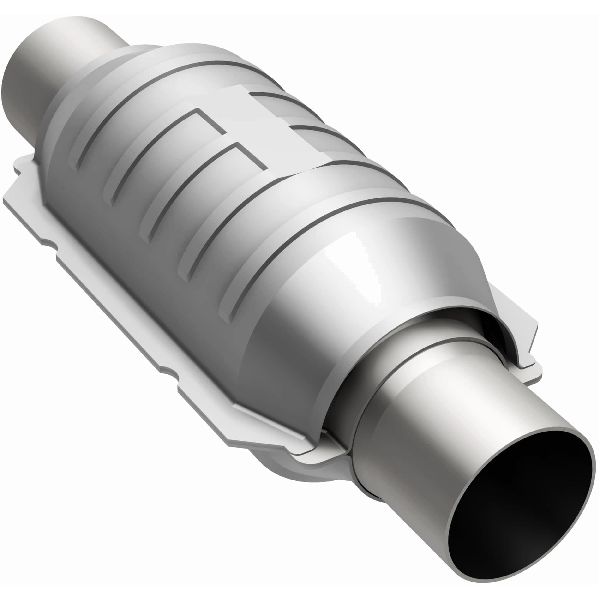
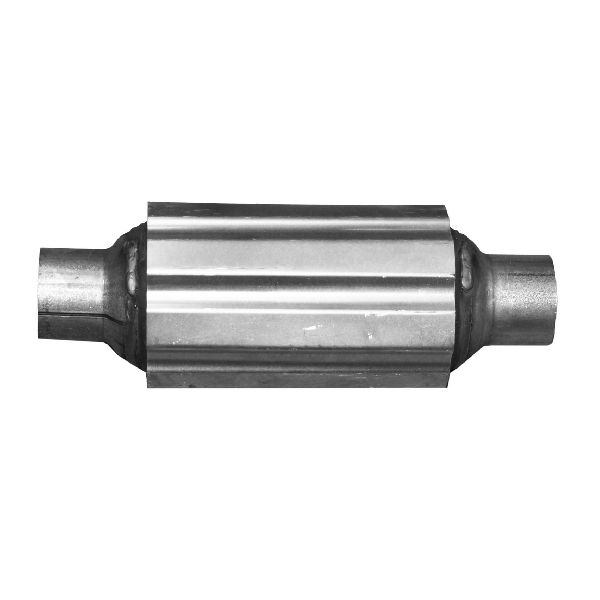
When shopping for a new aftermarket catalytic converter for your 2000-2004 Dakota, the most important choice is between a direct-fit and a universal-fit part. A direct-fit converter is designed to bolt right into your truck's exhaust system without any cutting or welding, making it the best choice for DIY installation. A universal-fit converter is cheaper but requires a professional to cut your exhaust pipe and weld it into place.
Aftermarket Brand Tiers
Not all aftermarket brands are the same. They generally fall into three categories:
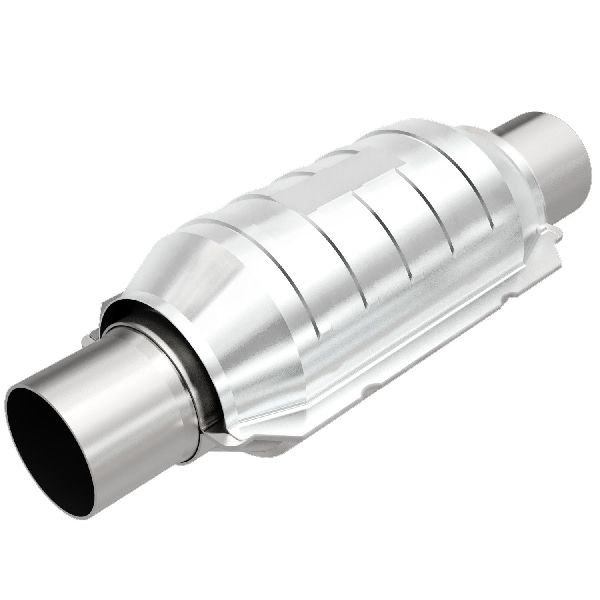
- Premium (MagnaFlow): Known for high-quality stainless steel construction, good performance, and reliable fitment. They are a top choice if your budget allows, and they often meet or exceed OEM specifications.
- Standard (Walker Exhaust): A popular choice for OE-style replacement. Walker converters are known for their good fitment and function, providing a balance of quality and price. They are a solid, reliable option for daily driving.
- Economy (AP Exhaust, Davico, Eastern Catalytic, Evan Fischer): These brands offer the most budget-friendly prices. However, fitment can sometimes be inconsistent, and you might need to make small adjustments during installation. Davico and Eastern Catalytic are frequently mentioned, with some owners having good experiences while others report issues with fit. These are best for owners trying to keep an older truck on the road for less.
Check Your State's Emissions Laws
Some states, like California, Colorado, New York, and Maine, have stricter emissions standards and require a CARB (California Air Resources Board) compliant catalytic converter. Most other states allow Federal/EPA compliant parts. Always check your local laws before buying to ensure you get a legal part that will pass inspection.
Cost of Replacing a Dodge Dakota Catalytic Converter
| Part Type | Estimated Cost |
|---|---|
| New Aftermarket Converter | $131 - $765 |
| New OEM (Dealer) Converter | $870 - $1,330 |
| Shop Labor for Installation | $180 - $265 |
| Total Professional Replacement (Aftermarket Part) | $311 - $1,030 |
| Total Professional Replacement (OEM Part) | $1,050 - $1,595 |
Frequently Asked Questions
What are the P0420 and P0430 codes?
These are diagnostic trouble codes that mean "Catalyst System Efficiency Below Threshold." Code P0420 refers to Bank 1 and P0430 refers to Bank 2 (on V-engines). Essentially, your truck's computer has detected that the catalytic converter is no longer cleaning the exhaust gases effectively.
Should I replace my oxygen (O2) sensors with the converter?
Yes, it is highly recommended. Faulty O2 sensors can provide incorrect readings to the engine's computer, which can lead to converter failure. Replacing them at the same time ensures the entire system is working correctly and protects your investment in the new converter.
Can I just clean my catalytic converter?
While some fuel additives claim to clean converters, they are not a solution for a converter that is already clogged, melted, or broken inside. Once a converter has failed and triggered a check engine light, it almost always needs to be replaced.
Are there any recalls for the 2000-2004 Dakota converter?
Searches of the NHTSA database did not show any specific recalls for catalytic converter failure on the 2000-2004 Dodge Dakota. Emissions components are covered by a federally mandated warranty, but these vehicles are now well beyond the age and mileage limits of that coverage.
Technical Specifications
OEM Part Numbers: 52103255AF 52103255AD 52103254AE 52103481AE 52103483AD
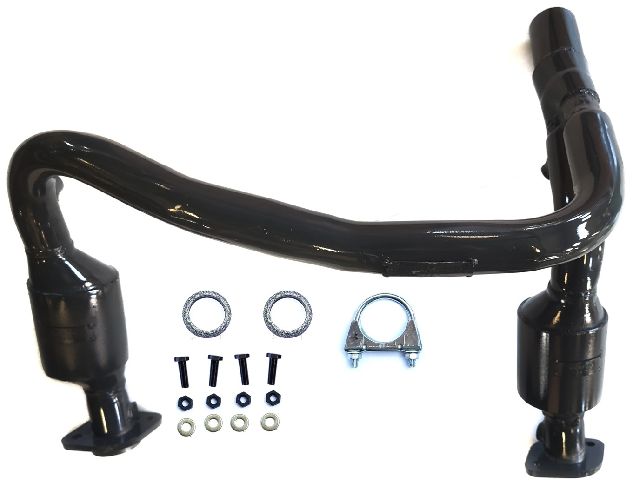
Configurations vary significantly based on engine (3.9L V6, 4.7L V8, 5.9L V8), drivetrain (2WD/4WD), and cab style. Most are a Y-pipe design incorporating two catalytic converters. Ensure the part number matches your vehicle's specific configuration.
We Have This Part in Stock

The information in this article is provided for general reference and educational purposes only. Vehicle specifications, procedures, and part compatibility can vary by production date, trim level, and region. Always consult your vehicle's factory service manual and verify part numbers before purchasing or performing repairs. Safety-critical components such as airbags, seat belts, and braking systems should be installed by a qualified professional.
- Dodge Dakota: