

A Guide to Replacing the Starter on Your 2000-2004 GMC Yukon
Don't get stranded by a 'no-crank' issue; understand the symptoms and choose the right replacement starter for your truck.
- A single click usually points to a bad starter, while rapid clicking often means a weak battery; diagnose before replacing parts.
- Heat is a primary cause of failure; always transfer the original heat shield to the new starter to ensure its longevity.
- Replacement is a feasible DIY job requiring basic tools (10mm, 13mm sockets) and takes about 1-2 hours.
- No recalls have been issued for the starter on the 2000-2004 GMC Yukon, so repair costs are the owner's responsibility.
Is Your Yukon's Starter Failing?

A starter motor on the 2000-2004 GMC Yukon rarely fails without giving some warning signs. Because a no-start condition can also be caused by a weak battery, bad alternator, or poor electrical connections, it's important to recognize the specific symptoms 🎬 Watch: Expert tips for diagnosing common starter motor problems. of a failing starter before you buy a new part. Always make sure your battery is fully charged and the terminals are clean before blaming the starter.
Common Ordering Mistakes & Pro Tips

When ordering a new starter for your Yukon, keep these vehicle-specific tips in mind:
- Check for Two Bolt Lengths: Some GMT800 platform vehicles came with starters that used one long and one short bolt, while others used two long bolts. While most aftermarket starters are designed to accommodate this, confirm your original setup.
- Don't Forget the Heat Shield: The V8 engines in these trucks produce a lot of heat, which can destroy a starter. This is a condition known as "heat soak." Your original starter has a heat shield for protection. It is critical to move this shield to your new starter. If it's missing or damaged, get a new one.
- Clean Your Connections: Before installing the new starter, thoroughly clean the mounting surface on the engine block and all electrical contact points. A clean, tight ground connection is essential for the starter to get the power it needs.
Choosing the Right Aftermarket Starter

For a vehicle from this era, an aftermarket starter offers excellent value. However, quality can vary between brands. They generally fall into three tiers:
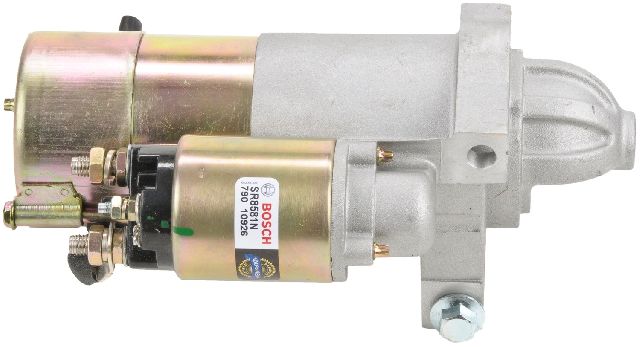
- Premium Brands (e.g., Bosch, Denso): These brands are often the original equipment (OEM) manufacturers for many automakers and are known for high-quality engineering and reliability. A new or remanufactured starter from one of these brands is typically a safe bet for longevity, though they come at a higher price.
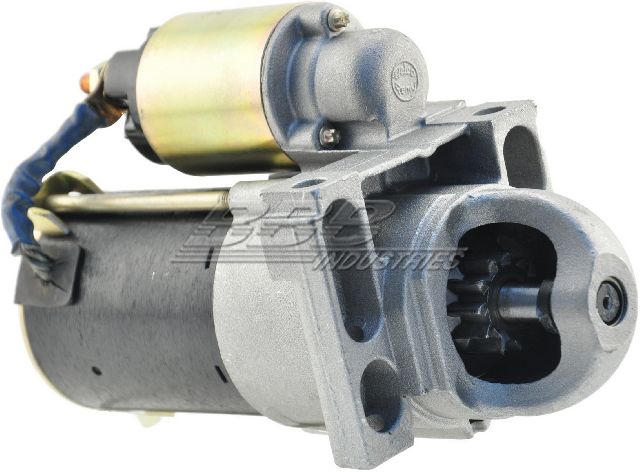
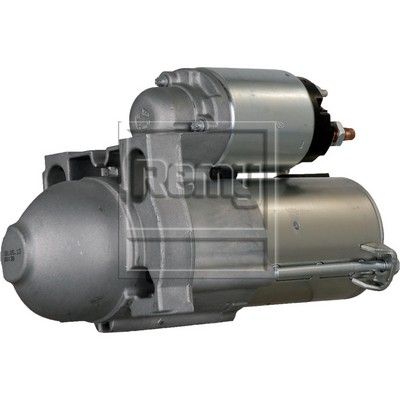
- Standard Quality Brands (e.g., Remy, BBB Industries): Remy has a long history with GM, and both they and BBB are major suppliers of remanufactured parts. Quality is generally good and reliable for a daily driver, offering a balance between cost and performance. However, as with any remanufactured part, consistency can sometimes be an issue.
- Economy Brands (e.g., WAI Global, store brands): These are typically the most affordable options, often consisting of new units made overseas. While some owners have success with these brands, they have a higher reported rate of out-of-the-box failures or shorter lifespans. They can be a budget-friendly choice, but may carry a higher risk of needing to do the job twice.
Installation Overview

Replacing the starter on a 2000-2004 Yukon is a manageable DIY job for someone with moderate mechanical skill. It typically takes 1-2 hours.
🎬 See this step-by-step walkthrough for replacing your Yukon's starter.- Safety First: Disconnect the negative battery terminal using a 10mm socket/wrench.
- Access the Starter: Safely raise the front of the vehicle and locate the starter on the passenger side, tucked near the exhaust and transmission.
- Remove Bolts: Use a 13mm socket with an extension to remove the two long bolts holding the starter to the engine block.
- Disconnect Wires: Lower the starter slightly to get better access to the electrical connections. Remove the 13mm nut on the large battery cable and the 8mm nut on the small solenoid wire.
- Install New Starter: Before installing, transfer the heat shield from the old starter. Connect the electrical wires to the new starter, then bolt it into place. Torque the main mounting bolts to 30-37 ft-lbs. Reconnect the battery and test.
Cost of Replacing a 2000-2004 GMC Yukon Starter
| Part / Service | Estimated Cost |
|---|---|
| Shop Labor | $85 - $157 |
| New Aftermarket Starter | $98 - $301 |
| Remanufactured GM OEM Starter | $310 - $450 (+ core charge) |
| Total Professional Replacement | $330 - $820 |
Frequently Asked Questions (FAQ)
Are there any recalls for the starter on my 2000-2004 Yukon?
No, there are no specific recalls or widespread Technical Service Bulletins (TSBs) from GM or the NHTSA for starter motor failure on this generation of GMC Yukon.
What's the difference between a single click and rapid clicking?
A single, loud click when you turn the key usually points to a problem with the starter motor or solenoid. A rapid, machine-gun-like clicking noise is almost always a sign of a weak or dead battery that doesn't have enough power to turn the starter.
Do I need to use shims when installing my new starter?
Most of the time, shims are not required for a direct-fit replacement starter on these trucks. However, if you hear a grinding noise after installation, it may indicate a problem with the gear mesh between the starter and the flywheel, and shims might be needed to create the proper clearance.
🎬 Watch: A detailed guide to GM starter replacement and installation.Is a new or remanufactured starter better?
A new, high-quality aftermarket starter from a brand like Bosch or Denso eliminates the possibility of inheriting issues from a poorly remanufactured unit. However, a professionally remanufactured starter (including the GM/ACDelco units) can be a high-quality, cost-effective option because it uses the durable OEM housing and is rebuilt with new wear components. For budget brands, new is often preferable to remanufactured.
Helpful Videos
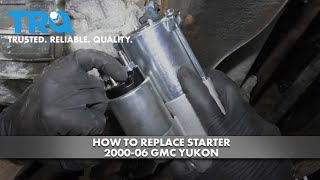
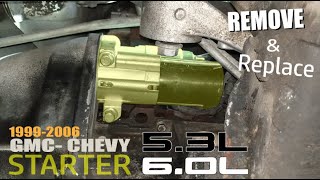
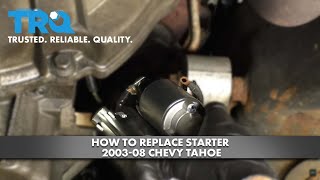
Technical Specifications
OEM Part Numbers: 10465561 10465548 12563920 89017440 12573853 12564111
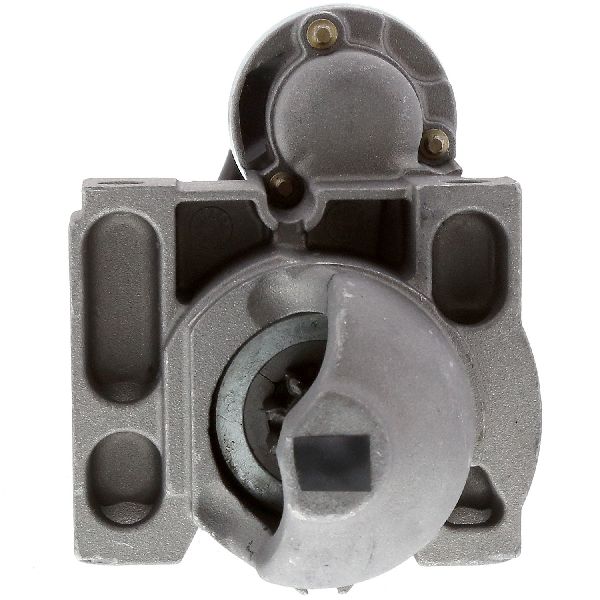
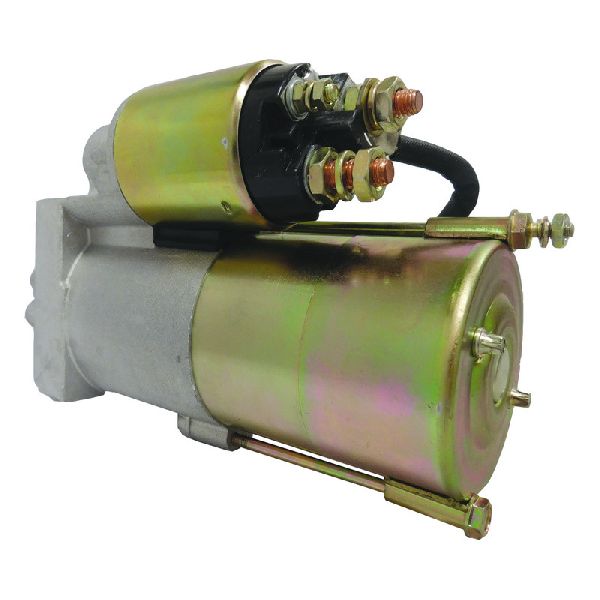
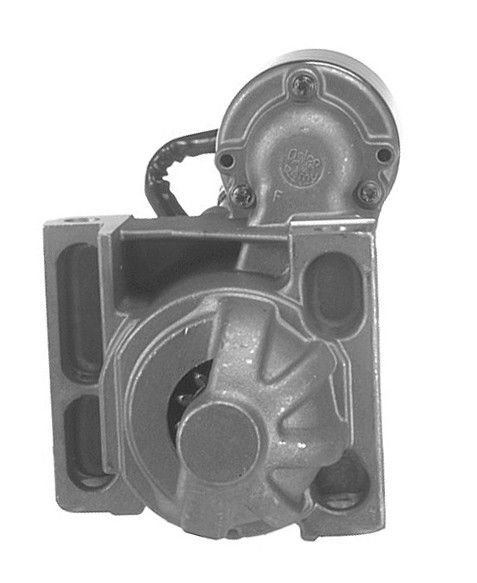
The most common starter for the 4.8L, 5.3L, and 6.0L V8 engines is a Delco PG260D family starter, which is a gear reduction design. It is held in place by two long mounting bolts.
We Have This Part in Stock

The information in this article is provided for general reference and educational purposes only. Vehicle specifications, procedures, and part compatibility can vary by production date, trim level, and region. Always consult your vehicle's factory service manual and verify part numbers before purchasing or performing repairs. Safety-critical components such as airbags, seat belts, and braking systems should be installed by a qualified professional.
- GMC Yukon: