

Ignition Knock Sensor Guide for 2000-2004 Jeep Grand Cherokee (WJ)
Experiencing poor performance or a P0325 code on your Grand Cherokee? Your knock sensor might be the culprit.
- The most common code for a bad knock sensor is P0325.
- Replacement on the 4.7L V8 is much harder and more expensive than on the 4.0L I6 due to its location under the intake manifold.
- Symptoms include poor performance, bad gas mileage, and a Check Engine Light.
- Due to high labor costs on the V8, using a quality premium aftermarket brand is recommended to avoid repeat repairs.
Is Your Grand Cherokee Running Rough?

If your 2000-2004 Jeep Grand Cherokee (WJ) feels sluggish, gets poor gas mileage, or has an illuminated Check Engine Light, a faulty knock sensor could be to blame. This sensor is a critical part of your engine management system, and when it fails, it can cause noticeable drivability issues. The most common trouble code associated with a failing knock sensor is P0325, which points to a malfunction in the sensor's circuit.
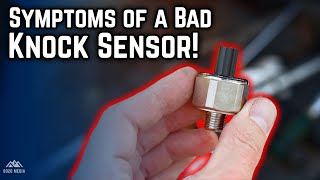
Symptoms of a Bad Knock Sensor

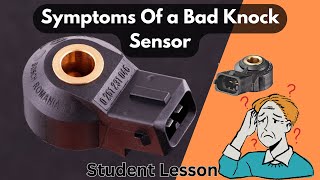
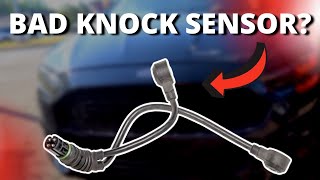
A failing knock sensor can trick the engine's computer into thinking there's a problem, even when there isn't. The computer may then retard the ignition timing to protect the engine, leading to several symptoms. You might notice a significant lack of power, hesitation during acceleration, and a decrease in fuel economy. In some cases, you might hear an audible metallic pinging or knocking sound 🎬 Watch this video to see common signs of sensor failure., especially when the engine is under load.
Location, Location, Location: A Tale of Two Engines
The replacement difficulty for this part depends entirely on which engine your Grand Cherokee has.
• 4.0L 6-Cylinder: The sensor is located on the passenger's side of the engine block. It's relatively easy to access and replace for a DIY mechanic.
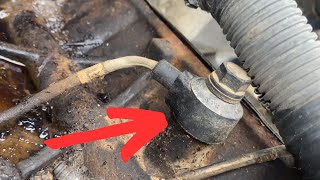
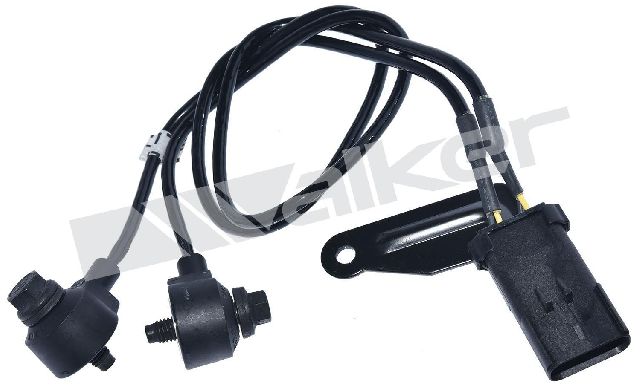
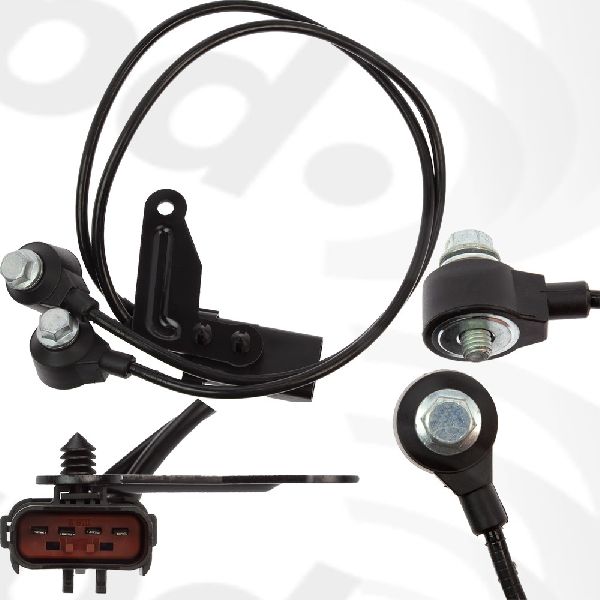
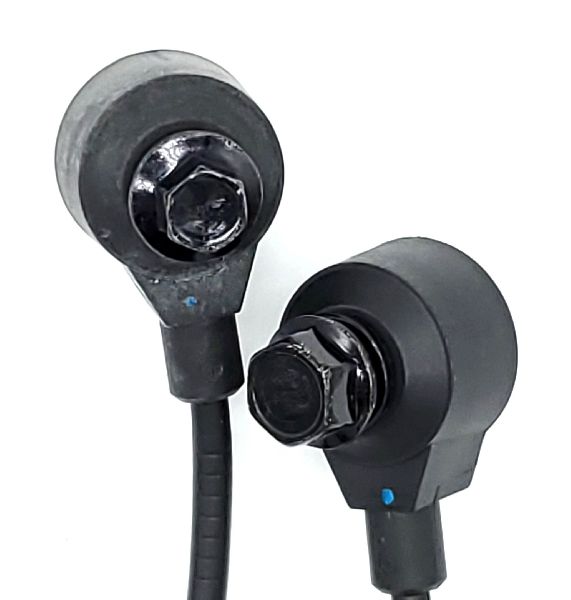
• 4.7L V8: The two knock sensors are located in the valley on top of the engine, underneath the entire intake manifold. This is a much more involved and labor-intensive job, requiring the removal of the intake manifold. 🎬 See how to replace knock sensors on the 4.7L V8. This significantly increases labor time and cost.
Choosing the Right Aftermarket Knock Sensor

When replacing your knock sensor, you have a choice between OEM and various aftermarket brands. For a vehicle of this age, a quality aftermarket part often provides the best balance of price and reliability.
- Premium Aftermarket (e.g., Standard Ignition, Walker Products): These brands are well-regarded in the industry and produce sensors designed to meet or exceed original equipment (OE) specifications. They are a reliable choice for ensuring proper engine function and are often the go-to for professional mechanics.
- Jeep-Specific Aftermarket (e.g., Crown Automotive): Crown specializes in parts for Jeep vehicles and is often seen as a budget-friendly alternative to OEM. While some users have success, forum discussions sometimes indicate mixed experiences with fit and long-term durability compared to premium brands.
- Value-Priced Brands (e.g., Holstein, Global Parts): These brands offer a lower price point, which can be appealing. However, given the critical function of the knock sensor and the high labor cost for the 4.7L V8, using a part with a proven track record for reliability is often a safer investment to avoid doing the job twice.
Pro Tip: For the 4.7L V8, the labor to replace the sensor is much more expensive than the part itself. To avoid a repeat repair, it is highly recommended to use a premium aftermarket or OEM sensor and replace the intake manifold gaskets at the same time.
Cost of Replacing a Knock Sensor (2000-2004 Jeep Grand Cherokee)
| Part/Service | Estimated Cost |
|---|---|
| New Aftermarket Part | $21 - $70 |
| New OEM Part | $119 - $125 |
| Shop Labor | $170 - $375+ |
| Total Professional Replacement | $285 - $500+ |
Note: Labor costs can vary significantly based on your engine (4.0L vs. 4.7L) and local shop rates.
Frequently Asked Questions

Where are the knock sensors located on my 2000-2004 Grand Cherokee?
On the 4.0L inline-6 engine, the single knock sensor is on the passenger side of the engine block. On the 4.7L V8, there are two sensors located under the intake manifold.
Is this a difficult part to replace myself?
For the 4.0L engine, it is a relatively easy DIY job. For the 4.7L V8, it is a difficult job for a beginner, as it requires removing the intake manifold. This is best left to experienced DIYers or a professional mechanic.
Why is the P0325 code still on after replacing the sensor?
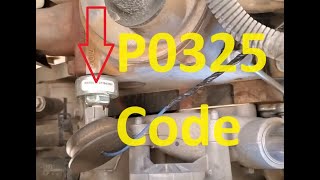
This could be due to several reasons: a problem in the wiring or connector, using a low-quality sensor that isn't working correctly, or another underlying engine issue causing real knock that the new sensor is now detecting. Always check the wiring harness for damage 🎬 Learn more about diagnosing and fixing the P0325 trouble code. before and after installation.
Were there any recalls for the knock sensor on the WJ Grand Cherokee?
No, searches of the National Highway Traffic Safety Administration (NHTSA) database did not show any recalls specifically for the knock sensor on the 2000-2004 Jeep Grand Cherokee.
Helpful Videos
Technical Specifications
OEM Part Numbers: 56028563AA 56041404AA
The knock sensor for the 2000-2004 Jeep Grand Cherokee is a piezoelectric sensor that generates a voltage signal when it detects engine block vibrations at specific frequencies associated with detonation. It typically uses a 1 or 2-pin connector.
We Have This Part in Stock


The information in this article is provided for general reference and educational purposes only. Vehicle specifications, procedures, and part compatibility can vary by production date, trim level, and region. Always consult your vehicle's factory service manual and verify part numbers before purchasing or performing repairs. Safety-critical components such as airbags, seat belts, and braking systems should be installed by a qualified professional.
- Jeep Grand Cherokee:
- 🎬 Helpful Videos
- 🛍️ Shop This Part
- Is Your Grand Cherokee Running Rough?
- Symptoms of a Bad Knock Sensor
- Location, Location, Location: A Tale of Two Engines
- Choosing the Right Aftermarket Knock Sensor
- Cost of Replacing a Knock Sensor (2000-2004 Jeep Grand Cherokee)
- Frequently Asked Questions
- 🎟️ Get 5% Off