

2000-2004 Nissan Maxima ABS Wheel Speed Sensor Guide
Fix your Maxima's ABS light and restore braking safety by choosing the right replacement sensor.
- A lit ABS warning light on a 2000-2004 Maxima is most often caused by a failed wheel speed sensor.
- Use an OBD2 scanner to read the codes and identify exactly which wheel sensor has failed before buying parts.
- Premium aftermarket brands like Delphi, Standard Ignition, or Beck Arnley offer OEM-level quality for much less than the dealer price.
- Replacement is a simple DIY job with basic tools, but be prepared for a potentially seized sensor that may be difficult to remove.
Is Your ABS Light On? What to Know About Your Maxima's Wheel Speed Sensor
If the ABS warning light is on in your 2000-2004 Nissan Maxima, a failed wheel speed sensor is the most common cause. This is a common issue on cars of this age. The sensor lives in a harsh environment near the wheel, exposed to water, dirt, and heat. Over time, the sensor's internal electronics can fail or the wiring can get damaged. When it fails, it disables your anti-lock brakes and traction control. While your regular brakes will still work, you lose that important safety feature for emergency stops.
Symptoms of a Failing ABS Sensor
- ABS Light On: This is the most obvious sign. The computer has detected a fault in the system.
- Traction Control Light On: The traction control system uses the same sensors, so it will often be disabled too.
- Pulsating Brake Pedal: You might feel the brake pedal pulse or vibrate at low speeds as the system gets faulty readings.
- Loss of ABS Function: In a panic stop, your wheels may lock up and skid because the system is inactive.
Pro Tip: Before buying a part, get the diagnostic trouble codes (DTCs) read with an OBD2 scanner. A code like C0035 (Front Left), C0040 (Front Right), C0045 (Rear Left), or C0050 (Rear Right) will tell you exactly which sensor has failed, saving you time and money.
Choosing the Right Aftermarket ABS Sensor
You don't need to buy an expensive sensor from the dealer. Aftermarket brands offer a wide range of quality and price. For a critical safety part like this, it's best to avoid the cheapest options. Here’s a breakdown of available brands to help you choose.
Tier 1: Premium Aftermarket (Highest Quality & Reliability)
These brands are known for making parts that meet or exceed original equipment (OE) quality. They are the best choice for long-term reliability.
- Delphi: A well-respected OE supplier known for high-quality electronics. Users report good fit and function.
- Standard Ignition (SMP): A trusted brand among professional technicians for over 100 years, known for extensive testing and quality control.
- Hella: Another strong brand, often considered a good, reliable choice in the aftermarket.
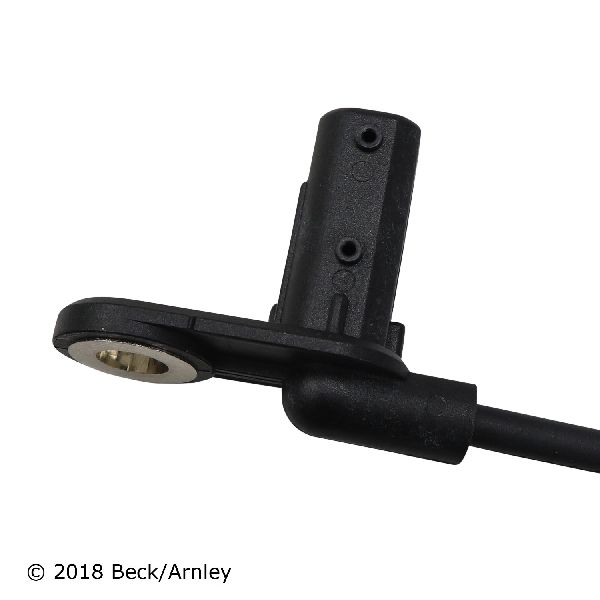
- Beck Arnley: Known for sourcing parts from OE manufacturers. For a Japanese car like your Maxima, this brand is often a re-boxed original part and a very solid choice.
Tier 2: Standard Aftermarket (Good Value)
These brands offer a good balance of price and quality for daily drivers. They are a significant step up from economy parts.
- Dorman: A very popular aftermarket brand that offers a cost-effective solution. While some have had mixed experiences, they are a common repair choice.
- Holstein: This brand focuses on sensors and includes a 3-year/36,000-mile warranty, which shows confidence in their product. They often include new mounting hardware.
Tier 3: Economy Aftermarket (Budget-Focused)
These brands are the most affordable but may have questionable long-term durability. They might be suitable for a budget repair, but be aware that you may be replacing the part again sooner.
- MTC, Vemo: These are typically economy-level brands. Less is known about their long-term reliability compared to the higher-tier options.
OEM vs. Aftermarket Quality
For the 2000-2004 Maxima, a premium aftermarket sensor from a brand like Delphi or Beck Arnley can be just as reliable as the original Nissan part, but at a much lower cost. The original sensors in your car are over 20 years old, and modern aftermarket manufacturing has had plenty of time to perfect a replacement. Avoid the cheapest, no-name parts, but feel confident choosing a reputable aftermarket brand.
Typical Replacement Costs
Here's what you can expect to pay. Prices can vary based on your location and the specific brand you choose.
| Part or Service | Estimated Cost |
|---|---|
| New Aftermarket Sensor | $32 - $168 |
| New OEM Sensor (Dealer) | $200+ |
| Shop Labor (per sensor) | $100 - $200 |
Frequently Asked Questions
Can I replace just one ABS sensor?
Yes. The sensors fail individually. You only need to replace the one that has failed. A diagnostic scan is the best way to identify the correct sensor.
Is it hard to replace a Maxima ABS sensor?
No, it's a job most DIYers can handle. It involves removing the wheel, taking out one 12mm bolt, and unplugging a connector. The biggest challenge can be if the old sensor is rusted into the wheel hub, which may require some force and patience to remove.
Do I need to reset the ABS light after replacement?
Usually, the ABS light will turn off by itself after you've driven the car for a few minutes. If it stays on, you may need to clear the codes with an OBD2 scanner.
What's the difference between front and rear sensors?
The front and rear sensors are physically different and are not interchangeable. They have different shapes, mounting points, and wire lengths. Make sure you order the correct sensor for the specific wheel you are replacing.
Are there any recalls for this part on my Maxima?
No. Searches of the NHTSA database did not show any recalls or technical service bulletins (TSBs) specifically for the ABS wheel speed sensors on the 2000-2004 Nissan Maxima. Failures on these vehicles are typically due to normal age and wear.
Technical Specifications
OEM Part Numbers: 47910-2Y060 47910-2Y000 47900-2Y060 47900-2Y000 47911-2Y000 47901-2Y000
Each sensor is specific to its corner (Front Left, Front Right, Rear Left, Rear Right). They are not interchangeable. The sensor is held in by a single bolt and connects via a 2-pin electrical connector.
We Have This Part in Stock


The information in this article is provided for general reference and educational purposes only. Vehicle specifications, procedures, and part compatibility can vary by production date, trim level, and region. Always consult your vehicle's factory service manual and verify part numbers before purchasing or performing repairs. Safety-critical components such as airbags, seat belts, and braking systems should be installed by a qualified professional.
- Nissan Maxima: