

A/C Receiver Drier Guide for 2000-2004 Nissan Xterra
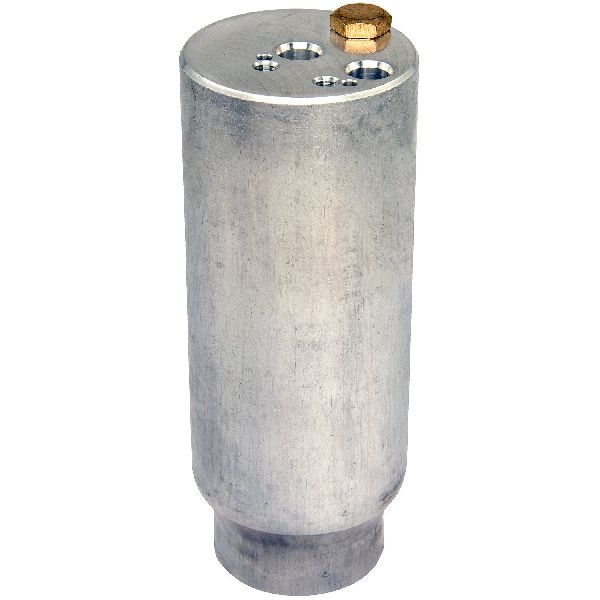
Keep your Xterra's A/C blowing cold by understanding this critical, but often overlooked, part.
- Always replace the receiver drier when the A/C system is opened for any repair.
- Failure to replace the drier can cause poor cooling and damage to your new A/C parts.
- Symptoms of a bad drier include weak cooling, a musty smell, or frost on the part.
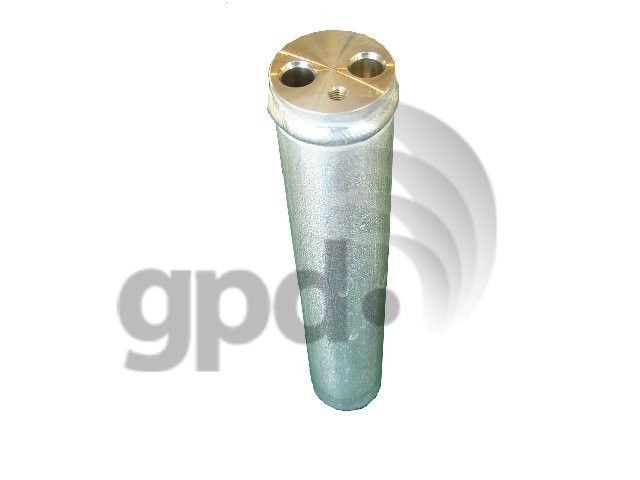
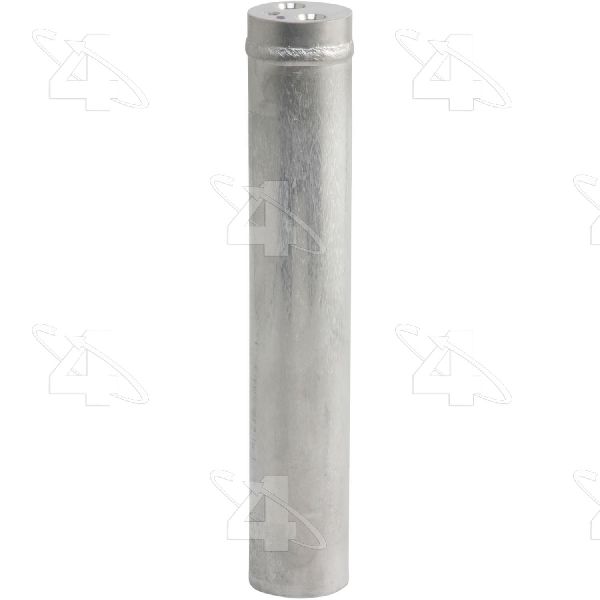
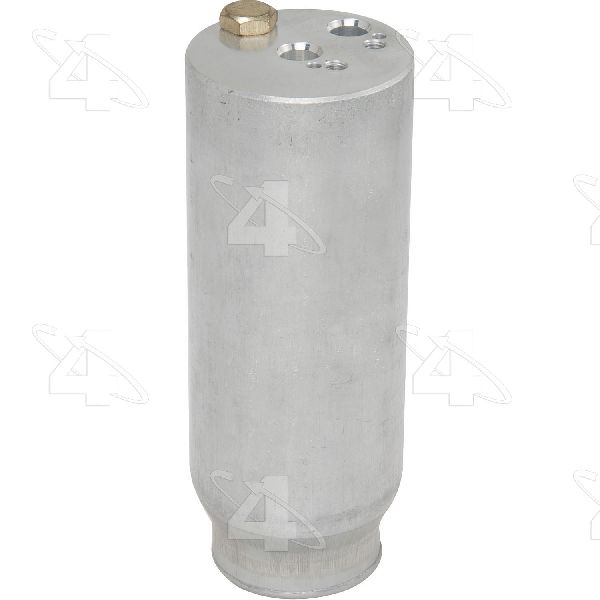
- Any new aftermarket brand (Denso, Four Seasons, GPD) is a suitable replacement for this part.
Is Your Xterra's A/C Not as Cold as It Used to Be?
If your 2000-2004 Xterra's air conditioning isn't performing well, a failing A/C receiver drier could be part of the problem. While it's a simple part, its failure can lead to poor cooling and even damage to more expensive components. This guide will walk you through the symptoms, brand choices, and replacement rules for this essential part.
Symptoms of a Failing A/C Receiver Drier
A bad receiver drier can cause several issues. Look out for these common signs:
- Poor Cooling Performance: This is the most common symptom. A clogged drier can restrict the flow of refrigerant, meaning your vents blow warm or only slightly cool air.
- Moldy or Musty Smell: When the drier's desiccant is saturated, it can't absorb any more moisture. This can lead to mold and mildew growth inside your A/C system, causing a bad smell when you turn on the fan.
- Frost on A/C Parts: Seeing frost or ice on the receiver drier itself or the A/C lines is a sign of a serious blockage inside the part.
- Refrigerant Leaks: You might see oily, dirty patches on the drier canister or its fittings. In severe cases, you might notice drips of refrigerant oil under your Xterra.
The Golden Rule of A/C Repair
You must replace the receiver drier anytime the A/C system is opened to the air. This includes jobs like replacing the compressor, condenser, or a leaking hose. The desiccant inside absorbs moisture from the atmosphere and becomes saturated almost immediately, rendering it useless. Failing to replace it will void the warranty on most new A/C compressors.
Choosing the Right Aftermarket Receiver Drier
For a part that must be replaced during any major A/C service, choosing a new aftermarket unit is a smart and cost-effective decision. There is little benefit to sourcing a used or expensive OEM part, as a new aftermarket drier will perform the job perfectly. Here’s a look at the available brands.
Pro Tip: Focus on 'New' Over 'Brand'
While Denso is a top choice, the most important factor is that you install a new drier. Any new unit from these brands is better than reusing an old, contaminated one. Given the low cost of the part, it's cheap insurance for your entire A/C system.
Frequently Asked Questions (FAQ)
Do I have to replace the receiver drier when I replace my A/C compressor?
Yes, absolutely. The receiver drier should be replaced whenever the system is opened for service. Most new compressors require it for the warranty to be valid, and it protects your new investment from moisture and debris left over from the old failed part.
Can I replace the A/C receiver drier myself?
This is a job for an experienced DIYer. While swapping the part itself is not mechanically complex, it requires the A/C system to be professionally evacuated beforehand and properly vacuumed and recharged afterward. This requires specialized tools like a vacuum pump and manifold gauge set. If you don't have this equipment, you should have a shop perform the work.
Are there any recalls on the 2000-2004 Xterra A/C system?
No, there are no specific recalls or technical service bulletins (TSBs) from Nissan or the NHTSA for the A/C receiver drier on the 2000-2004 Xterra.
What is desiccant?
Desiccant is a material, often silica gel, that attracts and holds moisture. Inside the receiver drier, it acts like a sponge to pull any water out of the refrigerant, which is critical to prevent corrosion and freezing within the A/C system.
Technical Specifications
The A/C system on the 2000-2004 Nissan Xterra uses an expansion valve, which requires a receiver drier (as opposed to an accumulator).
We Have This Part in Stock

The information in this article is provided for general reference and educational purposes only. Vehicle specifications, procedures, and part compatibility can vary by production date, trim level, and region. Always consult your vehicle's factory service manual and verify part numbers before purchasing or performing repairs. Safety-critical components such as airbags, seat belts, and braking systems should be installed by a qualified professional.
- Nissan Xterra: