

Accessory Drive Belt Guide for the 2000-2004 Subaru Outback
A complete guide to replacing the squealing or worn accessory belts on your second-generation Subaru Outback.
- The 2.5L engine uses two separate belts: one for the Alternator/Power Steering and one for the A/C.
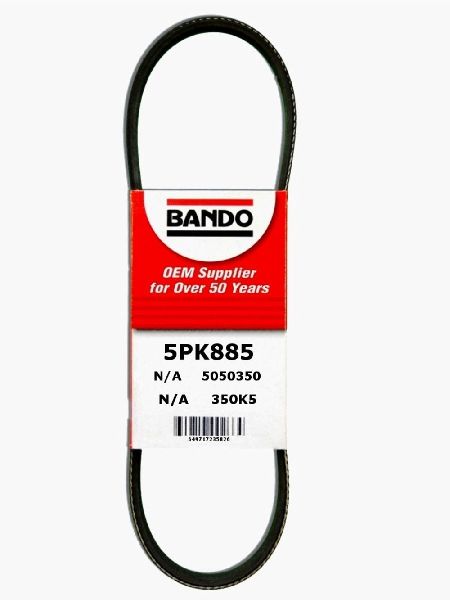
- Brands like Bando and Mitsuboshi are often the original equipment suppliers and offer excellent quality for a good price.
- Always inspect the idler and tensioner pulleys when changing the belts; worn pulley bearings are a common failure point.
- Belt tension is set manually; a new belt that squeals is likely too loose.
Is Your Outback's Accessory Belt Failing?
Accessory drive belts are made of rubber and wear out over time from heat and friction. A failing belt can stretch, crack, or snap. The most common first sign of a problem is a high-pitched squeal or chirp, especially when starting the engine on a cold day or during sharp turns. You should also visually inspect the belts periodically. If you see multiple cracks, frayed edges, or a smooth, shiny surface (called glazing), it's time for a replacement.
Choosing the Right Aftermarket Belts
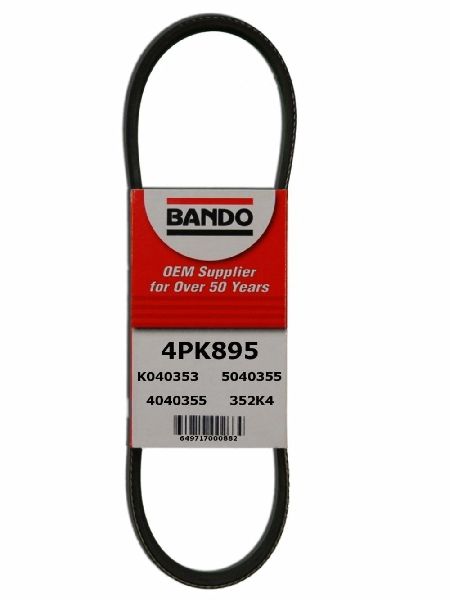
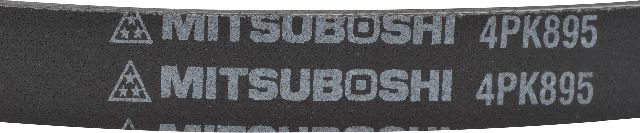
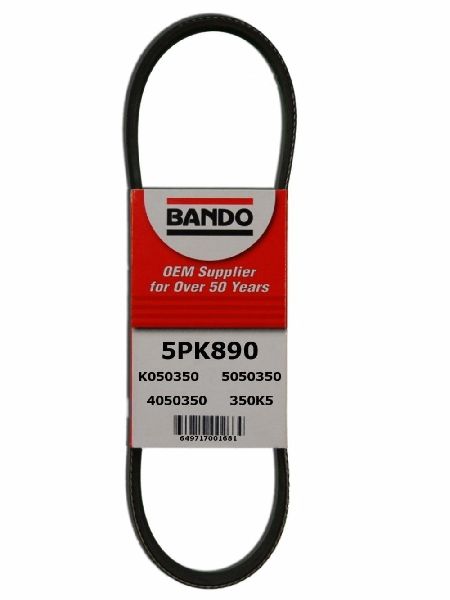
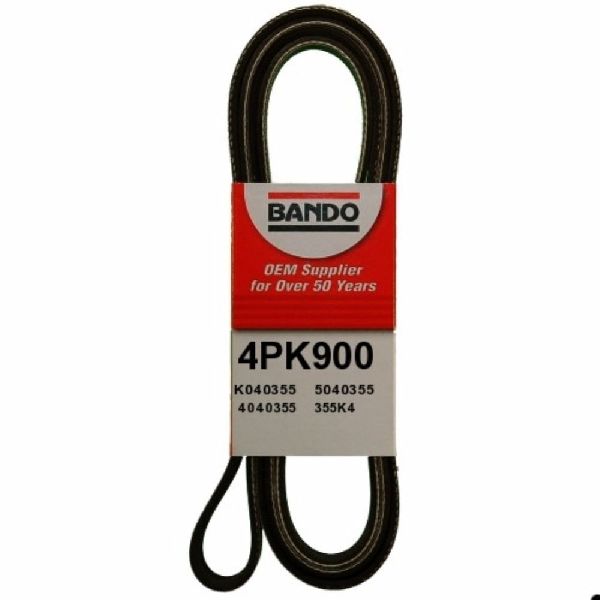
For a 2000-2004 Outback, you don't need to pay dealer prices for a quality belt. The original belts on many Japanese vehicles, including Subaru, are often made by companies like Bando or Mitsuboshi. These brands are excellent choices in the aftermarket.
- OEM Supplier (Best Tier): Bando and Mitsuboshi are Japanese manufacturers known for making the original belts for Subaru. Choosing one of these brands is like getting an OEM quality part without the dealership markup. They are highly recommended by Subaru owners for fit and durability.
- Quality Aftermarket (Good Tier): ACDelco is a reputable brand that offers quality parts. While not an original supplier for Subaru, their belts are a reliable and widely available option that will perform well.
Pro Tip: Check Your Pulleys
The 2000-2004 Outback uses manual tensioners and idler pulleys that can fail over time. A common problem is for the bearings in these pulleys to wear out, causing noise or seizing completely. A seized pulley can shred a brand new belt instantly. When replacing your belts, spin each pulley by hand. If you hear grinding or feel roughness, you should replace the pulley at the same time.
🎬 Watch: How to diagnose a noisy or failing idler pulley.Typical Replacement Costs
Replacing the accessory belts is a cost-effective maintenance item that prevents bigger headaches down the road.
| Part | Cost Range |
|---|---|
| New Aftermarket Belts (Set of 2) | $15 - $38 |
| New OEM Belts (Set of 2) | $30 - $55 |
| Shop Labor | $60 - $125 |
Common Mistake: Ordering the Wrong Belts
The 2000-2004 Outback was available with a 2.5L 4-cylinder engine or a 3.0L 6-cylinder engine (H6). The 2.5L engine uses two separate belts, while the 3.0L H6 engine uses a single, long serpentine belt. 🎬 See this quick walkthrough for changing the H6 serpentine belt. Make sure you order the correct belts for your specific engine.
Frequently Asked Questions
How often should I replace the accessory belts?
A general guideline is to inspect them at every oil change and replace them every 50,000 to 60,000 miles, or sooner if you see signs of wear like cracking or fraying. Refer to your owner's manual for Subaru's specific recommendation.
Is a drive belt the same as a timing belt?
No. The accessory drive belts are visible on the front of the engine and run external components like the alternator. The timing belt is hidden behind a plastic cover and keeps the engine's internal parts synchronized. A timing belt failure can cause catastrophic engine damage, while a broken accessory belt will not.
Can I replace the accessory belts myself?
Yes, this is a very DIY-friendly job on the 2.5L Outback. It requires basic hand tools (10mm and 12mm sockets) and involves loosening the manual tensioner for each belt, swapping the belt, and re-tensioning it. The process should take less than an hour for a first-timer.
🎬 Watch: Step-by-step guide to replacing your alternator and fan belts.My new belt is squealing. What's wrong?
If a new belt squeals, it is almost always due to incorrect tension (usually too loose). The belts on this Outback are tensioned manually. A good rule of thumb is that the belt should have about 1/4 inch of play when you press on it in the middle. Squealing could also indicate a worn-out pulley or fluid leaking onto the belt.
Helpful Videos
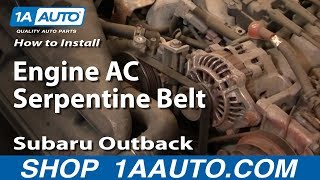
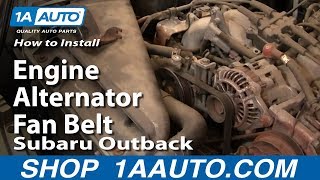
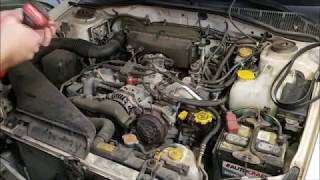
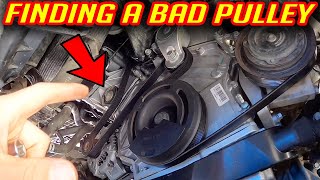
Technical Specifications
OEM Part Numbers: Alternator & Power Steering Belt (2.5L): 809218260 A/C Compressor Belt (2.5L): 73323AE00A, 11718AA102
System Type (2.5L Engine): Dual belt system with manual tensioners.
We Have This Part in Stock

The information in this article is provided for general reference and educational purposes only. Vehicle specifications, procedures, and part compatibility can vary by production date, trim level, and region. Always consult your vehicle's factory service manual and verify part numbers before purchasing or performing repairs. Safety-critical components such as airbags, seat belts, and braking systems should be installed by a qualified professional.
- Subaru Outback: