

Subaru Outback (2000-2004) Automatic Transmission Mount Replacement Guide
Feeling a clunk or excessive vibration when you shift gears? Your automatic transmission mount may have failed.
- The most common sign of failure is a loud clunk when shifting into Drive or Reverse.
- Visually inspect the mount for torn rubber; it's located under the car where the transmission meets the crossmember.
- Replacing a failed mount is crucial to prevent extra stress on other drivetrain parts like axles and driveshafts.
- While aftermarket mounts are a good value, OEM parts are generally considered more durable for this specific component.
Is Your Outback's Transmission Mount Failing?
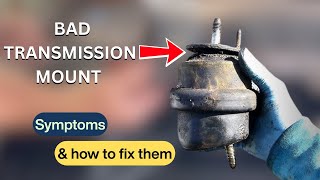
The transmission mount on the second-generation Subaru Outback is a common wear item. The rubber can crack, collapse, or completely separate from the metal plates over time. When this happens, the transmission is no longer held securely. This allows for excessive movement that you can feel and hear.
Key Symptoms of a Bad Mount:
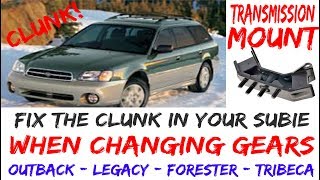
- Clunking Noises: A loud "clunk" or "thud" when shifting from Park to Reverse or Drive is the most common symptom. 🎬 See how a failed mount causes that annoying clunking noise You might also hear this noise when you accelerate or decelerate suddenly.
- Excessive Vibrations: You may feel vibrations through the floor, steering wheel, or seats. This can be worse when idling in gear or during acceleration.
- Drivetrain Shock: A jerking or shuddering feeling when getting on or off the throttle can indicate the transmission is moving around too much.
- Visible Failure: You can often see the failure. If you look at the mount (located on the transmission crossmember under the car), you may see that the rubber has torn away from the metal bracket. A mechanic can use a pry bar to easily check for excessive movement, confirming the mount has failed. 🎬 Watch: How to identify symptoms and test for a bad mount
Don't Mistake It for a Bigger Problem
A failed transmission mount can sometimes feel like a serious transmission issue. Because the symptoms include clunking and harsh shifting, some owners worry their transmission is failing internally. Always inspect the mount first, as it is a much simpler and less expensive repair.
Choosing the Right Aftermarket Mount
When replacing the transmission mount, you have a choice between OEM (Original Equipment Manufacturer) and aftermarket parts. For the 2000-2004 Outback, the OEM mount is known to be a solid part that lasts a long time, but it can also be more expensive. Aftermarket parts offer a more budget-friendly option.
The brands available in our inventory (Anchor, DEA, Pioneer) are generally considered economy or standard-grade replacements. Forum discussions suggest that while these brands can be a cost-effective solution, their longevity might not match that of an OEM part. Some users report that budget aftermarket mounts can be made of harder rubber, which may transmit slightly more vibration into the cabin, or that the fit might not be as precise as the original. However, for a vehicle of this age, a new aftermarket mount is a significant improvement over a completely failed original.
Pro Tip: Check Your Engine Mounts Too
The engine and transmission mounts work together to support the drivetrain. If your transmission mount has failed, it's a good idea to inspect your engine mounts as well. A bad engine mount can put extra stress on the new transmission mount, causing it to wear out faster.
Cost of Replacing the Transmission Mount
The cost to replace the transmission mount varies depending on whether you do it yourself or have a shop perform the work. The part itself is affordable, but labor will add to the total cost.
| Item | Estimated Cost |
|---|---|
| New Aftermarket Part | $46.49 - $62.16 |
| New OEM Part | $65 - $95 |
| Shop Labor | $100 - $200 |
| Total (Shop Repair) | $150 - $260 |
Frequently Asked Questions (FAQ)
Is it difficult to replace the transmission mount myself?
For a DIY mechanic with the right tools, this is a manageable job. It requires safely lifting the vehicle on jack stands, supporting the transmission with a floor jack, and removing the crossmember to access the mount. The entire process typically takes about 1-2 hours. You will need basic hand tools, primarily 14mm and 17mm sockets.
🎬 Follow this step-by-step guide to replace the mount yourselfAre there any recalls or TSBs for this part?
Our search found no specific recalls or Technical Service Bulletins (TSBs) from Subaru or the NHTSA for the automatic transmission mount on the 2000-2004 Outback. Recalls for this generation primarily concern airbags.
Is this the same part as an engine mount?
No. While they perform a similar function, engine mounts support the engine at the front of the car, and the transmission mount supports the transmission further back. A 2000-2004 Outback has two engine mounts and one transmission mount.
Can I drive with a broken transmission mount?
You can, but it is not recommended for an extended period. The constant clunking and vibration can put stress on other drivetrain components like axles, driveshafts, and exhaust connections. It is best to replace it as soon as you confirm it has failed.
Helpful Videos
Technical Specifications
OEM Part Numbers: 41022AE12B 41022AE12A 41022AC220 41022AE121
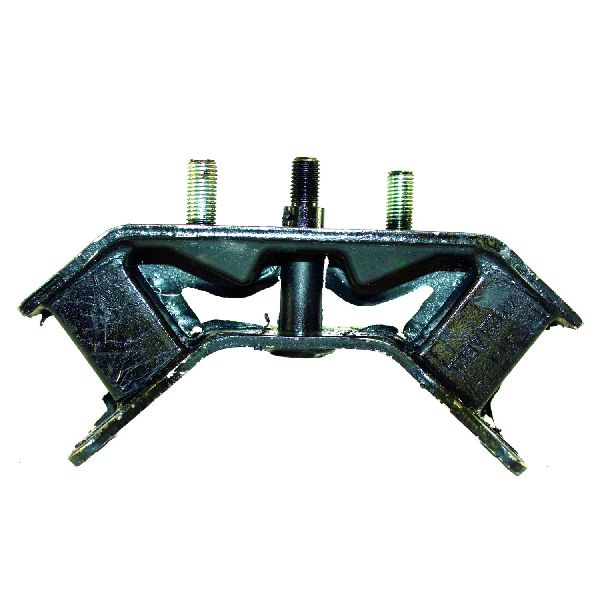
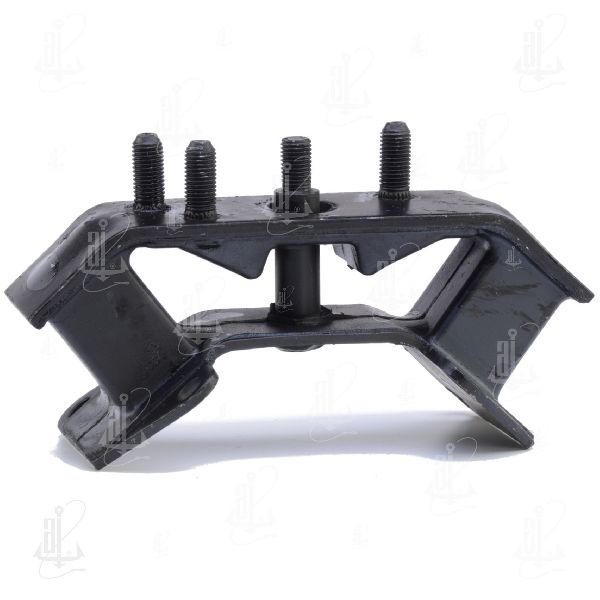
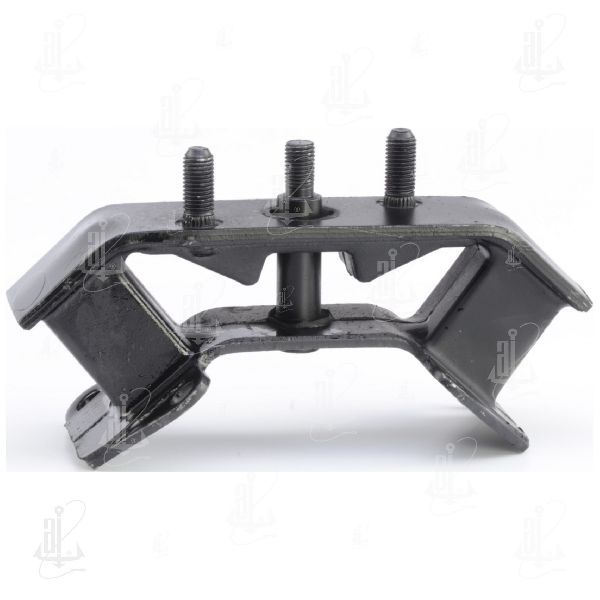
This is a single, rear transmission mount that bolts to the transmission tail housing and the transmission crossmember. It consists of a rubber block bonded between two metal plates. For the 2000-2004 Outback, this is a one-piece mount design.
We Have This Part in Stock


The information in this article is provided for general reference and educational purposes only. Vehicle specifications, procedures, and part compatibility can vary by production date, trim level, and region. Always consult your vehicle's factory service manual and verify part numbers before purchasing or performing repairs. Safety-critical components such as airbags, seat belts, and braking systems should be installed by a qualified professional.
- Subaru Outback:
- 🎬 Helpful Videos
- 🛍️ Shop This Part
- Is Your Outback's Transmission Mount Failing?
- Key Symptoms of a Bad Mount:
- Don't Mistake It for a Bigger Problem
- Choosing the Right Aftermarket Mount
- Pro Tip: Check Your Engine Mounts Too
- Cost of Replacing the Transmission Mount
- Frequently Asked Questions (FAQ)
- 🎟️ Get 5% Off