

Subaru Outback CV Axle Shaft Guide (2000-2004)
Everything you need to know before replacing the CV axles on your second-generation Outback.
- Vibrations are a common and well-documented problem when using new aftermarket CV axles on this generation of Outback.
- For a vibration-free repair, using a genuine OEM or a quality remanufactured OEM axle is highly recommended by experienced owners.
- A clicking noise when turning is a sure sign the outer CV joint has failed and the axle needs replacement.
- Regularly inspect the rubber CV boots for tears; catching a tear early and replacing the boot can prevent the need for a full axle replacement.
Symptoms of a Failing CV Axle
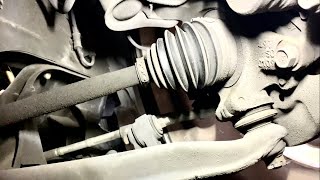
When a CV axle starts to fail on your 2000-2004 Outback, the signs are usually easy to notice. The most common symptom is a loud clicking or popping sound when you make sharp turns. This noise is caused by a worn-out outer CV joint. You might also feel a vibration when you accelerate, which often points to a problem with the inner CV joint. Another clear sign is finding grease splattered on the inside of your wheel or on suspension parts. This means the protective rubber boot has torn, allowing the essential grease to leak out and road dirt to get in, which quickly ruins the joint.
🎬 Watch: How to diagnose a bad Subaru CV axleChoosing the Right Aftermarket Axle: A Warning for Outback Owners
For this specific generation of Subaru Outback, the choice between OEM (Original Equipment Manufacturer) and aftermarket axles is a serious topic among owners. Many forum users and experienced mechanics strongly recommend using genuine Subaru axles or professionally remanufactured OEM axles. The reason is that many aftermarket axles, especially budget-friendly options, are known to cause vibrations immediately after installation. This vibration can happen during acceleration or even while idling in gear.
This common problem is often due to slight differences in the manufacturing and balancing of the aftermarket joints compared to the original Subaru design. While brands like DSS and Surtrak offer affordable replacements, they fall into the category that can be a gamble. Some owners have success, while many others report having to do the job twice, eventually switching to an OEM axle to solve the vibration issue.
🎬 See this guide on choosing aftermarket vs OEM axlesAftermarket Axle Warning
Be aware that new aftermarket CV axles on 2000-2004 Outbacks have a high chance of causing new vibrations. This is a well-documented issue. If you want to avoid this risk, a genuine Subaru axle is the most reliable choice, though it costs significantly more.
Cost of Replacing a CV Axle Shaft (2000-2004 Outback)
| Part Type | Estimated Cost (Part Only) |
|---|---|
| New Aftermarket (DSS, Surtrak) | $85 - $218 |
| New OEM | $400 - $550+ |
| Remanufactured OEM | $125 - $250 |
| Shop Labor | $140 - $300 per side |
Frequently Asked Questions
Why do aftermarket axles cause vibrations on these Subarus?
Aftermarket axles can cause vibrations due to minor imperfections in their joints and balancing that Subarus, especially those with automatic transmissions, are very sensitive to. The original OEM axles are built to very specific tolerances that many aftermarket parts don't perfectly match, leading to shaking under acceleration or at idle.
Can I just replace the torn CV boot?
Yes, if you catch a torn boot very early before dirt has contaminated the joint and all the grease has leaked out, you can just replace the boot. However, this is more labor-intensive than replacing the whole axle. If the joint is already making noise, it's too late, and the entire axle assembly must be replaced.
🎬 Watch: Step-by-step front drive axle removal and installationAre the front and rear axles the same?
No, the front and rear CV axles are different parts and are not interchangeable. The front axles connect to the transaxle, and the rear axles connect to the rear differential. They have different lengths and designs.
Do I need a wheel alignment after replacing a CV axle?
Generally, a wheel alignment is not required after replacing a CV axle. However, because you are detaching suspension components like the lower ball joint or strut bolts to get the axle out, it is a good idea to have the alignment checked to ensure everything is still within specification and to prevent uneven tire wear.
Are there any recalls for the 2000-2004 Outback CV axle?
No, there are no specific recalls for the CV axle shafts on the 2000-2004 Subaru Outback. Searches of the NHTSA database show recalls for this vehicle generation related to airbags and other components, but not the drive axles. A recall for drive shafts (WRP-23) was issued for much newer Subaru models (2023-2024) and does not apply to this vehicle.
Helpful Videos
Technical Specifications
OEM Part Numbers: 28321FE041 28321SA033 28321AE03A
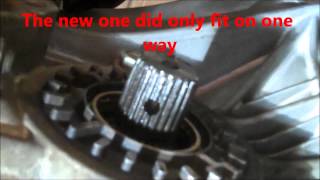
For the front axle on automatic transmission models, the inner joint connects to the transmission via a stub shaft secured by a roll pin. Manual transmission models may differ. The outer joint is splined and secured by a 32mm axle nut. Rear axles are different from the front.
We Have This Part in Stock


The information in this article is provided for general reference and educational purposes only. Vehicle specifications, procedures, and part compatibility can vary by production date, trim level, and region. Always consult your vehicle's factory service manual and verify part numbers before purchasing or performing repairs. Safety-critical components such as airbags, seat belts, and braking systems should be installed by a qualified professional.
- Subaru Outback: