

Subaru Outback Steering Rack and Pinion Guide (2000-2004)
Is your steering feeling loose, stiff, or leaking fluid? Here’s what you need to know before replacing the steering rack on your second-generation Outback.
- Before replacing the rack for stiff steering, inspect the steering column's U-joint, as it's a common and cheaper failure point.
- OEM racks (new or used) are generally considered more reliable than remanufactured aftermarket options, which have a reputation for early failure.
- A full four-wheel alignment is mandatory after replacing the steering rack to ensure safety and prevent uneven tire wear.
- Always flush the power steering system and replace the outer tie rods when installing a new rack for a complete and lasting repair.
Common Steering Problems in the 2000-2004 Outback
If you own a second-generation Outback, you might eventually face issues with the power steering system. The most common failures for the rack and pinion assembly are fluid leaks and internal wear. Leaks often happen at the seals on either end of the rack, which are protected by flexible rubber boots. If these boots tear, debris can damage the seals, causing a loss of power steering fluid. Internal wear can create excessive play or looseness in your steering.
First, Check Your Steering U-Joint!
A very common issue on this generation of Subaru is a stiff, binding, or 'notchy' feeling in the steering that can be easily misdiagnosed as a bad rack and pinion. This is often caused by a failing universal joint (U-joint) on the steering shaft that connects the steering wheel to the rack. Before you buy a new rack, inspect this U-joint. Spraying it with a penetrating lubricant can temporarily free it up, confirming it as the source of the problem. Replacing this much cheaper part could save you hundreds of dollars.
Symptoms of a Failing Rack and Pinion
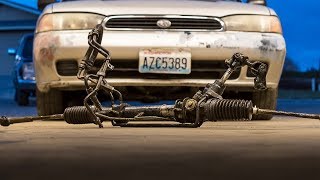
- Power Steering Fluid Leaks: Puddles of red or brown fluid under the front of your car are a clear sign. Check the rubber boots on the ends of the rack for tears and signs of leakage. 🎬 See how to identify and fix common steering leaks.
- Loose or Sloppy Steering: If there's a noticeable 'dead spot' when you turn the wheel or the car wanders on the road, the internal gears of the rack are likely worn.
- Grinding or Thudding Noises: A clunking or grinding sound when turning can indicate a problem within the steering rack.
- Stiff Steering (in spots): While often the U-joint, a binding feeling can also be caused by a failing rack, especially if it's accompanied by fluid loss.
Choosing a Replacement: New Aftermarket vs. OEM
When it comes to replacing the steering rack on a 2000-2004 Outback, you have several options, and the quality can vary significantly. Forum discussions among long-time Subaru owners often suggest that original equipment (OEM) parts are the most reliable choice for longevity.
- New OEM: A new rack from Subaru offers the best fit and longest life but comes at the highest cost.
- Used OEM: A low-mileage rack from a salvage yard can be a cost-effective and reliable option, as Subaru racks are generally durable unless they leak.
- Remanufactured Aftermarket: These are original units rebuilt with new seals. Quality varies wildly by the rebuilder. Some brands, like BBB Industries, have a reputation in user reviews for premature leaking after installation. This is a budget option, but can be a gamble.
- New Aftermarket: These are completely new units built by third-party companies. While they avoid the risks of a poorly rebuilt core, their long-term durability compared to an OEM part is not always well-documented.
Given the significant labor involved in a steering rack replacement, many owners recommend investing in a new or low-mileage used OEM part to avoid doing the job twice.
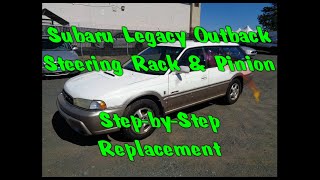
🎬 Watch this step-by-step guide to replacing your steering rack.Estimated Replacement Costs
The cost to replace your Outback's steering rack depends on the part you choose and shop labor rates. An alignment is required after the job is complete.
| Part Type | Estimated Part Cost |
|---|---|
| New OEM | $800 - $1000+ |
| New Aftermarket | $339 - $738 |
| Remanufactured Aftermarket | $180 - $350 |
| Used OEM | $100 - $250 |
| Shop Labor | $250 - $500+ |
Frequently Asked Questions (FAQ)
Do I need an alignment after replacing the steering rack?
Yes, absolutely. Replacing the steering rack will alter the vehicle's front-end alignment. A professional four-wheel alignment is mandatory to ensure proper handling, safety, and to prevent premature tire wear.
Should I replace the tie rods with the steering rack?
Most new and remanufactured steering racks come with new inner tie rods already installed. It is highly recommended to install new outer tie rods at the same time. You're already paying for the labor and alignment, so adding new outer tie rods is a small additional cost for a completely refreshed steering system.
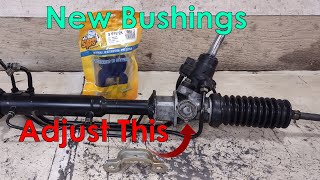
🎬 Watch: How to replace the steering rack and bushings.What kind of power steering fluid should I use?
For this generation of Subaru, you should use a fluid that meets Subaru's specifications, which is typically a high-quality ATF (Automatic Transmission Fluid). Always check your owner's manual or the fluid reservoir cap to be certain.
What is a 'core charge?'
Remanufactured parts often have a 'core charge,' which is a deposit you pay when you buy the part. You get this deposit back when you return your old, failed steering rack to the seller. New aftermarket parts typically do not have a core charge.
Helpful Videos
Technical Specifications
OEM Part Numbers: 34110AE11B 34110AE11A 34110AE20A 34110AE12B
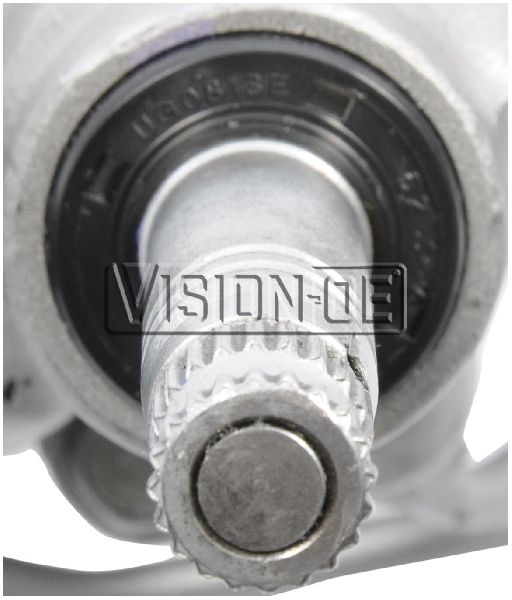
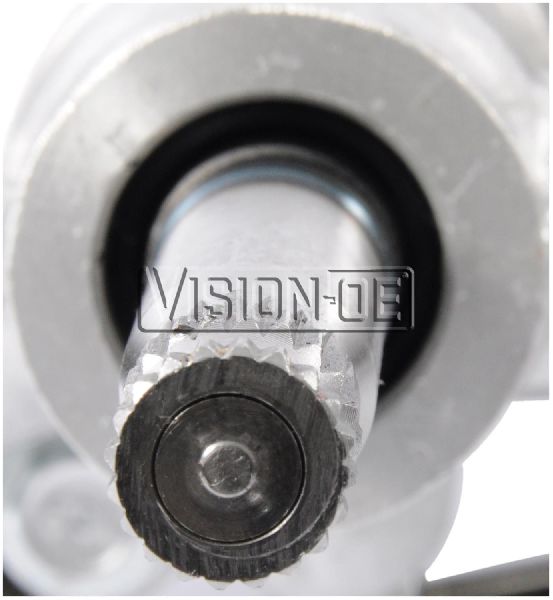
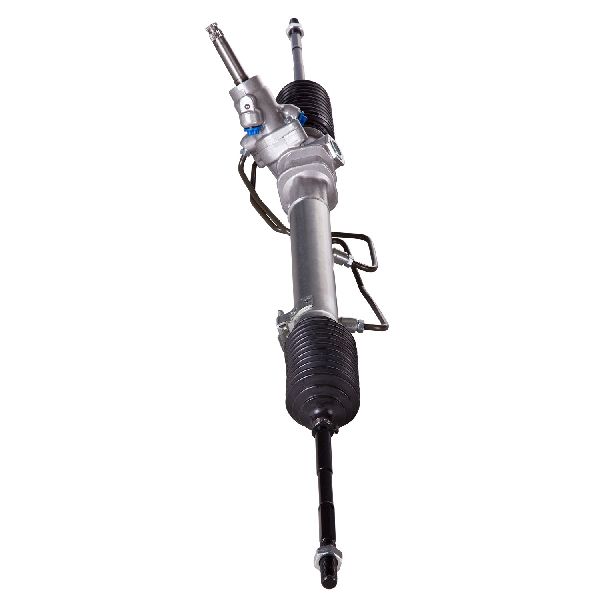
This is a hydraulic power steering system. Most replacement units include inner tie rods. The system uses Automatic Transmission Fluid (ATF) as power steering fluid.
We Have This Part in Stock

The information in this article is provided for general reference and educational purposes only. Vehicle specifications, procedures, and part compatibility can vary by production date, trim level, and region. Always consult your vehicle's factory service manual and verify part numbers before purchasing or performing repairs. Safety-critical components such as airbags, seat belts, and braking systems should be installed by a qualified professional.
- Subaru Outback: