

Disc Brake Caliper Guide for the 2000-2004 Winnebago Adventurer
Understanding the critical brake caliper issues that affect your Ford F53 or Workhorse chassis motorhome.
- You MUST first identify if you have a Ford F53 or Workhorse chassis; brake parts are not interchangeable.
- If you have a Workhorse chassis, verify that the critical Bosch caliper safety recall (51101-C) has been completed.
- Sticking or seized calipers are the most common failure, causing pulling, dragging, and overheating.
- For safety and performance, always replace calipers in pairs per axle and flush the brake fluid.
Important: First, Identify Your Chassis
Before addressing any brake issues or buying parts, you must know if your 2000-2004 Winnebago Adventurer is built on a Ford F53 chassis or a Workhorse W-series (W20, W21, W22) chassis. The brake systems are completely different and parts are not interchangeable. Check your vehicle's documentation or VIN to confirm your chassis manufacturer. This guide covers known issues for both.
Workhorse Chassis: A Critical Safety Recall
Major Recall for Bosch Brake Calipers
If you own a Workhorse W20, W21, or W22 chassis, you must be aware of a major safety recall (NHTSA campaign 51101-C). This recall addressed a serious defect in the original Bosch brake calipers where the pistons could stick.
The problem was caused by the caliper's phenolic (a plastic-like material) pistons absorbing moisture over time, especially when the RV was parked for long periods. This caused the pistons to swell and seize in the caliper bore, leading to dragging brakes.
Symptoms of this specific recall issue include:
- A strong burning brake smell.
- A "spongy" or soft brake pedal feel.
- The RV feeling sluggish or requiring more throttle to move.
- An illuminated ABS warning light, often from the sensor being damaged by extreme heat.
- In severe cases, boiling brake fluid could lead to a sudden loss of braking power.
The official remedy was the replacement of all four brake calipers. Before purchasing new calipers, it is vital to check with a dealer or by using your VIN to see if this recall work was completed on your motorhome.
Ford F53 Chassis: Common Caliper Problems
The Ford F53 chassis did not have the same recall, but its calipers are known to fail in similar ways. The most common issue is sticking or seized calipers, often due to rust and corrosion on the slide pins or caliper pistons. This is a frequent problem on heavy vehicles that sit for periods of time.
Symptoms of a failing F53 caliper include:
- The motorhome pulling to one side during braking or while driving.
- Excessive heat coming from one wheel and a noticeable burning smell.
- Uneven brake pad wear, where one pad is much thinner than the other.
- A spongy brake pedal, which could indicate a fluid leak from a corroded caliper seal.
Choosing the Right Aftermarket Caliper
When replacing your calipers, you are no longer limited to the original, potentially flawed designs. New aftermarket calipers are a good choice as they are not rebuilt from old, fatigued parts.
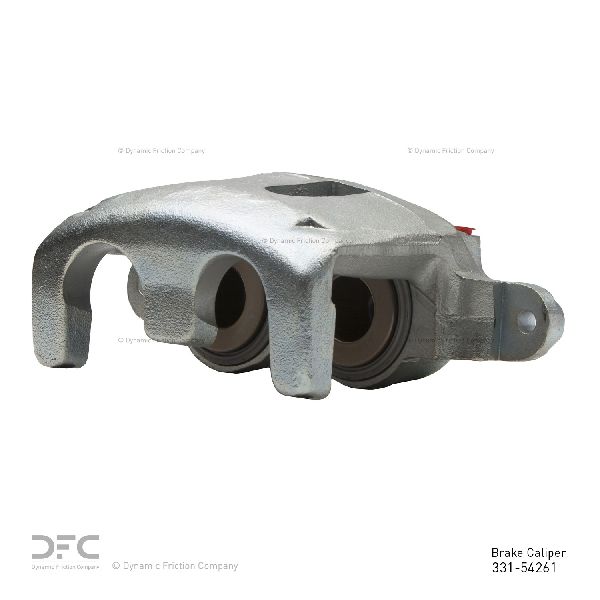
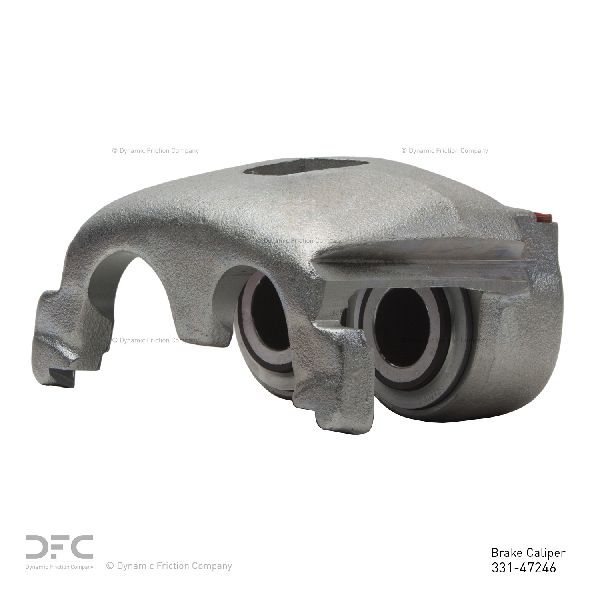
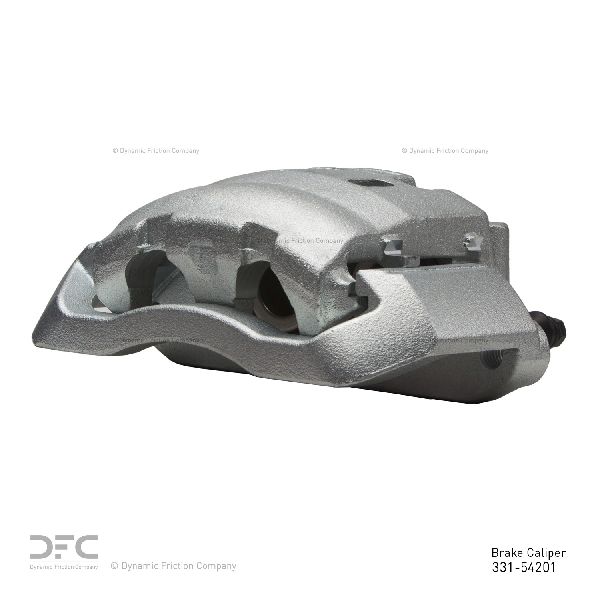
- New vs. Remanufactured: New calipers, like those from Dynamic Friction, are made from 100% new materials and often include modern improvements like better rust-protective coatings. Remanufactured calipers are cleaned and rebuilt old units, which can be a budget option but may not last as long.
- Piston Material: You will find calipers with phenolic or steel pistons. Phenolic pistons do not rust, but as the Workhorse recall showed, they can swell if not properly engineered. Modern steel pistons in quality aftermarket calipers are often coated to resist corrosion, which is a major cause of sticking.
- Protective Coatings: Look for calipers that have a protective coating, such as zinc plating. This helps prevent rust and corrosion on the caliper body itself, extending its life and making future brake service easier.
- Brands: Dynamic Friction is one brand that offers new, coated calipers for the Ford F53 chassis. They are generally considered a reliable aftermarket option.
Pro Tip: A Full Brake Job
When replacing a caliper, it is best practice to replace the opposing caliper on the same axle to ensure even braking performance. This is also the perfect time to replace your brake pads and rotors, and to flush your brake fluid. Old, moisture-contaminated brake fluid is a primary cause of internal caliper corrosion.
Frequently Asked Questions
How do I know for sure if I have a Ford or Workhorse chassis?
Check the VIN plate, typically located in the driver's side front corner of the vehicle, either on the dashboard or inside the door jamb. The VIN will identify the chassis manufacturer. You can also look at the steering wheel hub or the engine cover; they will often have a Ford or Workhorse/Chevrolet logo.
My Adventurer is on a Workhorse chassis. How can I check if the recall was done?
You can contact a Workhorse service center or a GM/Chevrolet commercial truck dealer with your VIN. They should be able to look up the vehicle's service history and see if recall 51101-C was performed. Do not assume it has been done.
Can I replace just the one bad caliper?
It is highly recommended to replace calipers in pairs (both front calipers or both rear calipers at the same time). This ensures balanced braking force and prevents the vehicle from pulling to one side. An old caliper will not perform the same as a new one.
Is replacing a motorhome caliper a DIY job?
For most people, no. The components are extremely large and heavy, and the bolts are often seized and require significant force and specialized tools to remove. Due to the critical safety nature of brakes on a heavy vehicle, this job is best left to a qualified shop that services RVs or heavy trucks.
Technical Specifications
Chassis-dependent. Both Ford F53 and Workhorse chassis use dual-piston hydraulic disc brake calipers. Part numbers are specific to the chassis manufacturer and year. Always verify fitment using your VIN.
We Have This Part in Stock

The information in this article is provided for general reference and educational purposes only. Vehicle specifications, procedures, and part compatibility can vary by production date, trim level, and region. Always consult your vehicle's factory service manual and verify part numbers before purchasing or performing repairs. Safety-critical components such as airbags, seat belts, and braking systems should be installed by a qualified professional.
- Winnebago Adventurer: