

A Guide to Aftermarket Catalytic Converters for the 2000-2005 Audi A6 Quattro
Replacing the catalytic converter on your C5 A6 Quattro is a complex job; here is what you need to know before you buy a new aftermarket part.
- You must correctly identify your A6's engine (2.8L, 3.0L, 2.7T, or 4.2L) to order the correct part, as the configurations are different.
- To avoid a persistent Check Engine light, invest in a premium aftermarket brand like MagnaFlow or Walker; budget converters often fail on sensitive Audi systems.
- Replacement is a difficult and expensive job due to rusted bolts and poor access, especially on the 2.7T engine; this is not a recommended DIY project.
- Always check if your state requires CARB-compliant converters, as they are legally required in states like CA, NY, CO, and ME.
Is Your A6 Quattro's Catalytic Converter Failing?
A bad catalytic converter can make itself known in several ways. Ignoring these signs can lead to more expensive engine damage or failed emissions tests.
Common Failure Symptoms
- Check Engine Light: The most common sign is an illuminated Check Engine Light with codes P0420 (Bank 1) or P0430 (Bank 2), indicating the converter's efficiency is below the required threshold.
- Reduced Engine Performance: You might feel sluggish acceleration or a general lack of power. This happens when a clogged converter creates backpressure, choking the engine.
- Rattling Noises: A rattling or clunking sound from under the car can mean the ceramic honeycomb inside the converter has broken apart.
- Rotten Egg Smell: A strong smell of sulfur from the exhaust is a classic sign that the converter isn't processing the gases correctly.
- Failed Emissions Test: Your car will not pass a smog test with a faulty catalytic converter.
Choosing the Right Aftermarket Converter: Not All Are Created Equal
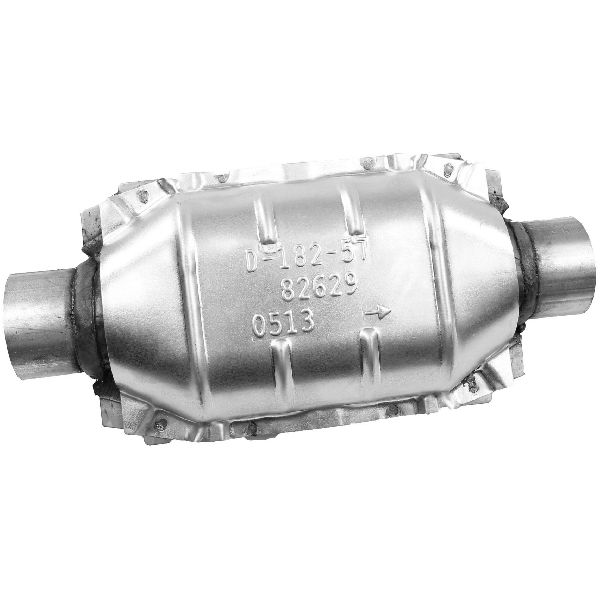
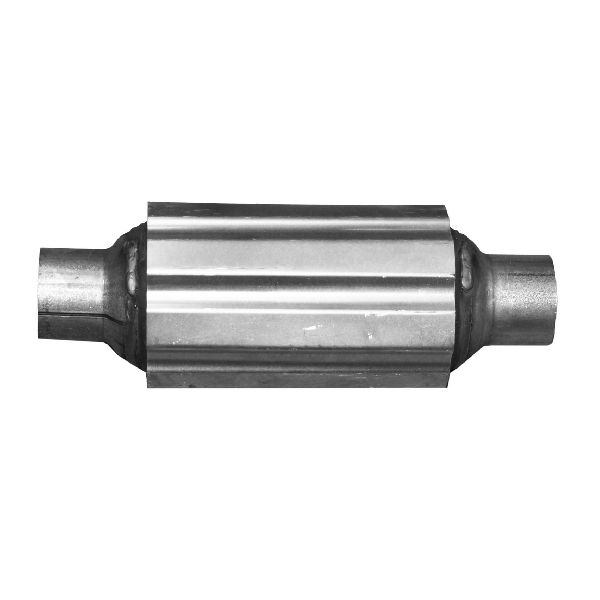
When replacing the catalytic converter on a 2000-2005 Audi A6 Quattro, you have a choice between OEM (Original Equipment Manufacturer) and aftermarket parts. While OEM parts are a perfect match, they are often prohibitively expensive, with costs for a single converter running into the thousands. Aftermarket parts offer a more affordable solution, but quality varies significantly.
Your A6 Quattro's engine is very sensitive to exhaust flow and sensor readings. Using a low-quality aftermarket converter can often result in a persistent Check Engine Light, even if the part is new. This is because cheaper units may not have enough of the precious metals (like platinum and palladium) needed to satisfy the car's computer.
Aftermarket Brand Tiers for Your Audi
Based on owner feedback and mechanic recommendations, aftermarket brands can be grouped into tiers:
- Premium Aftermarket (Higher Cost, Better Performance): Brands like MagnaFlow and Walker (Ultra series) are often recommended for German vehicles. They generally use higher-quality materials and construction, making them more likely to work correctly without triggering a check engine light.
- Mid-Grade (Balance of Price and Quality): Brands such as Eastern Catalytic and AP Exhaust fall into this category. They can be a good value, but there is a slightly higher risk of compatibility issues on a sensitive vehicle like the A6.
- Economy (Lowest Cost, Highest Risk): Brands like Davico and Evan Fischer often offer the lowest prices. While tempting, these are best avoided for the A6 Quattro, as they are the most likely to cause immediate or future Check Engine Light problems and may have a shorter lifespan.
A Note on CARB Compliance
If you live in California, Colorado, New York, Maine, or another state that has adopted California Air Resources Board (CARB) emissions standards, you MUST install a CARB-compliant catalytic converter. These are more expensive because they are built to a higher standard. Federal (EPA) converters are not legal for sale or installation in these states. Always check your local laws before purchasing.
Understanding Your A6 Quattro's Exhaust System
The 2000-2005 (C5) A6 Quattro came with several different engines, and the catalytic converter setup varies for each:
- 2.8L & 3.0L V6: These models typically have two main catalytic converters, one for each cylinder bank (left and right).
- 2.7T Twin-Turbo V6: This engine has its primary catalytic converters integrated directly into the downpipes coming off the turbochargers. They are notoriously difficult and labor-intensive to replace.
- 4.2L V8: Similar to the V6 models, this engine has a dedicated converter for each bank.
It is absolutely essential to identify your engine and which specific converter has failed (left/right, front/rear) before ordering a part.
Cost to Replace an Audi A6 Quattro Catalytic Converter
| Part Type | Estimated Cost (Part Only) |
|---|---|
| New Aftermarket (EPA) | $85 - $1,130 |
| New Aftermarket (CARB) | $400 - $1,500+ |
| New OEM | $1,500 - $2,500+ (per converter) |
| Shop Labor | $500 - $1,700+ |
Note: Costs are estimates and can vary widely based on your specific engine, location, and the chosen repair shop. Labor is very high for the 2.7T models.
Frequently Asked Questions (FAQ)
Will a cheap aftermarket converter work on my Audi?
While it might fit physically, it is very likely to cause a P0420/P0430 Check Engine Light. Audis have very sensitive emissions monitoring systems that can detect the lower efficiency of budget converters. It is highly recommended to invest in a quality aftermarket brand like MagnaFlow or Walker to avoid this frustration.
Why is the replacement so expensive?
The cost comes from two places: the part and the labor. The converters themselves contain precious metals, which drives up the price. Labor costs are high because the converters are often in tight spaces, and bolts are frequently rusted solid, making removal difficult. On 2.7T models, the job is especially complex and can require removing other major components to gain access.
Can I replace the catalytic converter myself?
This is not a beginner-friendly job. It requires lifting the vehicle safely, cutting and sometimes welding exhaust pipes, and dealing with extremely rusted and difficult-to-reach bolts. For most owners, especially those with the 2.7T engine, this is a job best left to a professional mechanic with experience on German vehicles.
Do I need to replace my oxygen sensors at the same time?
It is highly recommended. Old oxygen sensors can become slow to respond and may not work well with a new converter, potentially causing performance issues or even damaging the new part. Since the exhaust system is already being taken apart, replacing the sensors at the same time saves on future labor costs.
Were there any recalls for the catalytic converter on this car?
No, there were no specific recalls for catalytic converter failure on the 2000-2005 Audi A6 Quattro. Any failure is typically due to age, mileage, or other engine issues like oil consumption or misfires that can damage the converter.
Technical Specifications
The key specification is matching the part to your vehicle's exact year, model, and engine type (e.g., 2.7L, 3.0L, 4.2L). You must also select the correct side (Bank 1/Left or Bank 2/Right) and determine if a Federal (EPA) or CARB-compliant part is required for your state.
We Have This Part in Stock
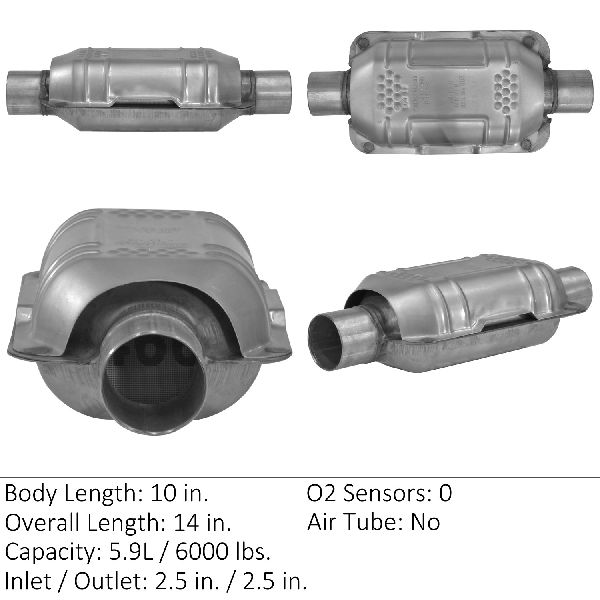
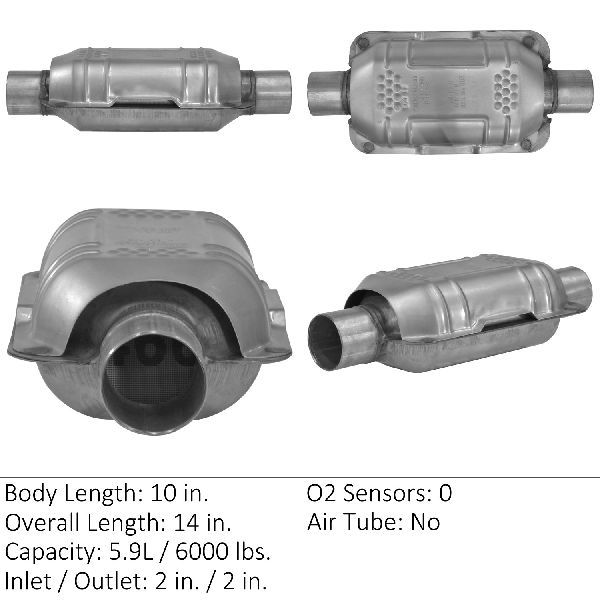
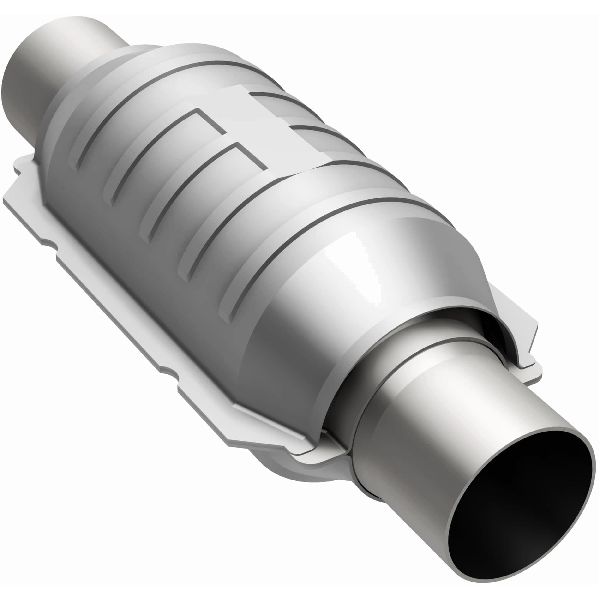
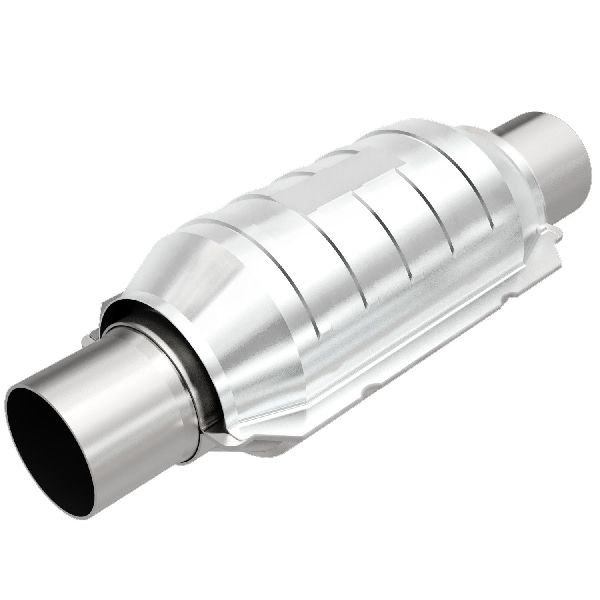

The information in this article is provided for general reference and educational purposes only. Vehicle specifications, procedures, and part compatibility can vary by production date, trim level, and region. Always consult your vehicle's factory service manual and verify part numbers before purchasing or performing repairs. Safety-critical components such as airbags, seat belts, and braking systems should be installed by a qualified professional.
- Audi A6 Quattro:
- 🛍️ Shop This Part
- Is Your A6 Quattro's Catalytic Converter Failing?
- Common Failure Symptoms
- Choosing the Right Aftermarket Converter: Not All Are Created Equal
- Aftermarket Brand Tiers for Your Audi
- A Note on CARB Compliance
- Understanding Your A6 Quattro's Exhaust System
- Cost to Replace an Audi A6 Quattro Catalytic Converter
- Frequently Asked Questions (FAQ)
- 🎟️ Get 5% Off