

Buick Century Radiator Guide (2000-2005): Replacement and Part Selection
Keep your 3.1L V6 running cool by understanding common radiator problems and choosing the right replacement.
- Radiator failure is common due to cracked plastic side tanks, leading to coolant leaks and overheating.
- Check for signs of a failed intake manifold gasket (milky oil), a known issue on the 3.1L V6, before replacing the radiator.
- An aftermarket radiator from a brand like Denso or Spectra Premium offers the best value for this vehicle.
- Always replace radiator hoses and the radiator cap at the same time as the radiator for a complete repair.
Is Your Buick Century Radiator Failing?
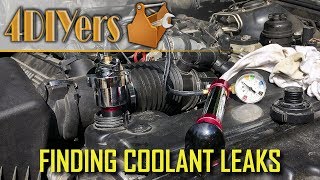
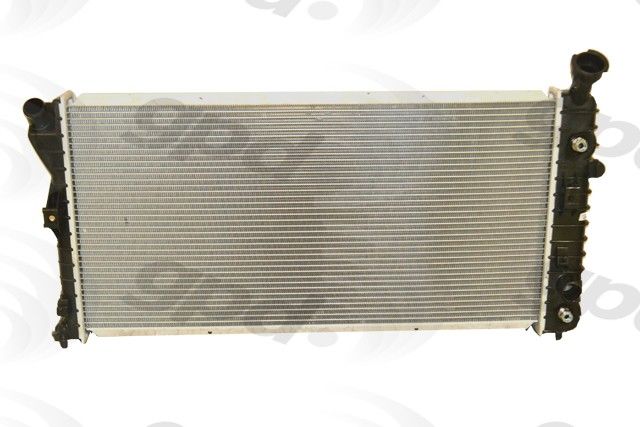
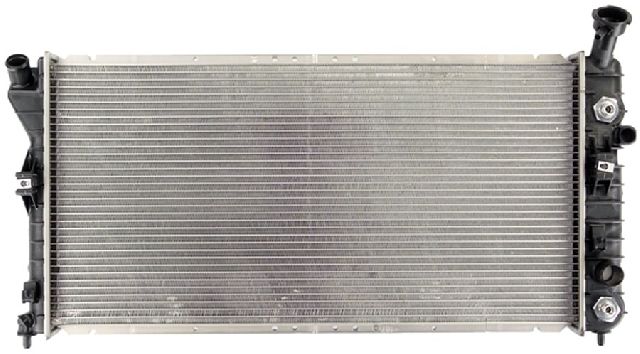
Radiators on the 2000-2005 Buick Century are made of aluminum cores with plastic side tanks. Over time, these plastic tanks can become brittle from heat and age, leading to cracks and leaks. Leaks are the most common reason for replacement. You might also see problems from clogs inside the radiator, which stop coolant from flowing properly.
Key Symptoms of a Bad Radiator:
- Engine Overheating: The temperature gauge on your dashboard climbs into the red zone, especially in stop-and-go traffic.
- Visible Coolant Leaks: You may find puddles of sweet-smelling, brightly colored fluid (usually orange Dex-Cool) under the front of your car. Leaks often happen where the plastic tanks meet the aluminum core.
- Low Coolant Light: A constant need to add coolant to the overflow tank is a sure sign of a leak somewhere in the system.
- Physical Damage: Bent fins or cracks on the radiator body from road debris can cause leaks and reduce cooling efficiency.
A Note on GM's 3.1L Engine
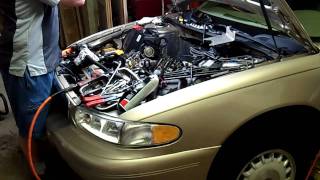
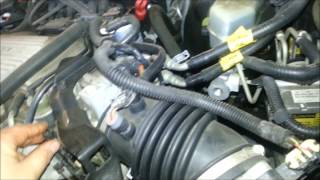
The 3.1L V6 engine used in this generation of Buick Century is known for issues with the lower intake manifold gaskets. This can cause coolant to leak externally or, more seriously, internally mix with your engine oil. If you see milky, frothy oil on your dipstick, you likely have a failed intake gasket, not just a bad radiator. 🎬 See how to properly replace those common intake manifold gaskets. Address this immediately to avoid catastrophic engine damage.
Choosing a New Aftermarket Radiator
For a vehicle of this age, an aftermarket radiator offers the best value. The original OEM radiators are often expensive or discontinued. Aftermarket brands build their parts to match the original fit and function, often at a much lower price. All radiators for this car include an integrated transmission fluid cooler, so there's no need to order that separately.
Aftermarket Brand Tiers
- Tier 1 (Best Quality): Denso is a well-respected brand and an original equipment manufacturer (OEM) for many car companies. They are known for high-quality construction and reliability, even for their aftermarket parts made in China or Taiwan.
- Tier 2 (Good Value): Spectra Premium is a popular aftermarket choice that provides good quality and fit, meeting or exceeding OEM specifications. They are a reliable option for a daily driver.
- Tier 3 (Budget): Brands like APDI, Global Parts (GPD), One Stop Solutions, and Onix are budget-friendly options. They are designed to be direct-fit replacements and will get the job done, but their long-term durability may not match the higher-tier brands.
Pro Tip: Replace More Than Just the Radiator
While you have the cooling system drained and accessible, it's a smart and inexpensive move to replace the upper and lower radiator hoses, hose clamps, and the radiator cap. Old hoses can become soft or brittle and are a common failure point. A new radiator cap will ensure the system holds pressure correctly.
Radiator Replacement Cost for 2000-2005 Buick Century
The cost to replace the radiator can vary significantly based on whether you do the work yourself or hire a professional mechanic.
| Part or Service | Estimated Cost |
|---|---|
| New Aftermarket Radiator | $120 - $165 |
| Shop Labor | $260 - $380 |
| Total Professional Replacement | $380 - $545+ |
Note: Prices are estimates and can vary by location and repair shop. This does not include the cost of new coolant or other related parts like hoses.
Frequently Asked Questions (FAQ)
Are there any recalls for the 2000-2005 Buick Century radiator?
No, there are no specific recalls issued by the NHTSA for the radiator on the 2000-2005 Buick Century. There are recalls for other components on the vehicle, but none that directly address the radiator.
What type of coolant should I use in my Buick Century?
The 2000-2005 Buick Century was originally filled with Dex-Cool (orange-colored) coolant. It is an Organic Acid Technology (OAT) coolant. You should continue to use a Dex-Cool compatible coolant to prevent corrosion and sludge issues that can arise from mixing coolant types.
Is replacing the radiator a DIY job?
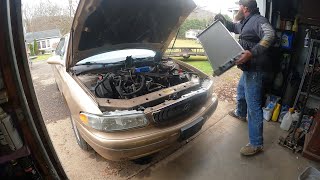
For a mechanically inclined person, yes. The job involves draining the coolant, disconnecting hoses and transmission cooler lines, removing the cooling fans, and then unbolting the radiator. It requires basic hand tools and can take 2-4 hours. 🎬 Watch this step-by-step walkthrough of the radiator replacement process. However, you must be careful with hot coolant and ensure the system is properly refilled and bled of air to prevent overheating.
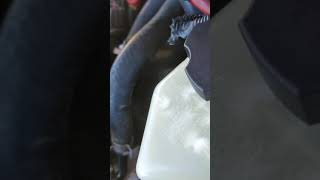
🎬 Watch: How to bleed air from the 3.1L cooling system.Does the new radiator come with a new cap?
Typically, no. Aftermarket radiators usually do not include a new radiator cap. It is highly recommended to purchase a new cap separately to ensure the cooling system can maintain the correct pressure.
Helpful Videos
Technical Specifications
OEM Part Numbers: 89018542
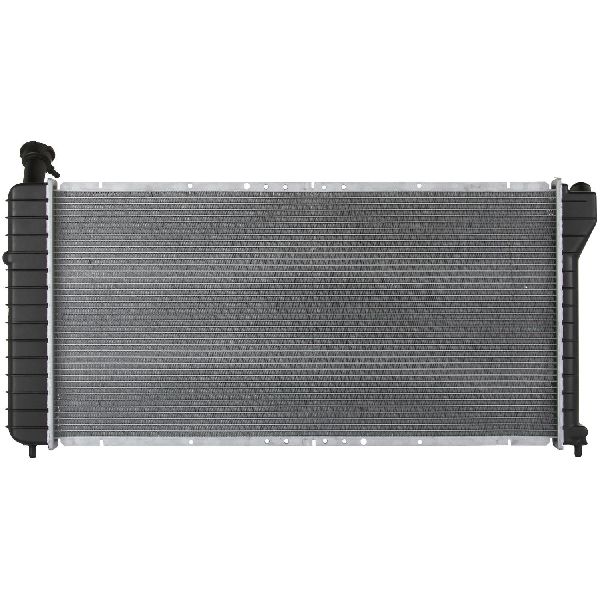
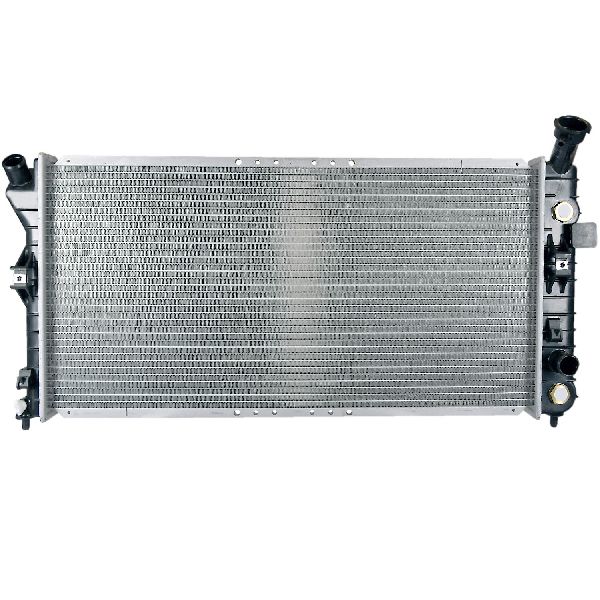
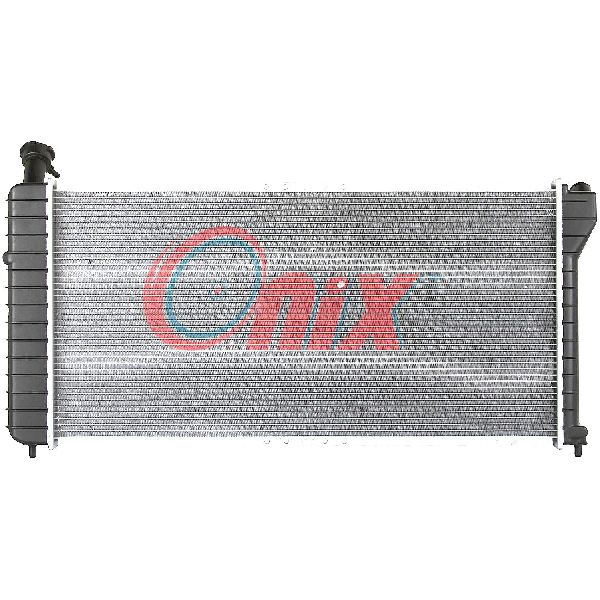
The radiator for the 2000-2005 Buick Century is a cross-flow design with an aluminum core and plastic tanks. It includes an integrated automatic transmission fluid cooler. All models with the 3.1L V6 engine use the same radiator.
We Have This Part in Stock


The information in this article is provided for general reference and educational purposes only. Vehicle specifications, procedures, and part compatibility can vary by production date, trim level, and region. Always consult your vehicle's factory service manual and verify part numbers before purchasing or performing repairs. Safety-critical components such as airbags, seat belts, and braking systems should be installed by a qualified professional.
- Buick Century:
- 🎬 Helpful Videos
- 🛍️ Shop This Part
- Is Your Buick Century Radiator Failing?
- Key Symptoms of a Bad Radiator:
- A Note on GM's 3.1L Engine
- Choosing a New Aftermarket Radiator
- Aftermarket Brand Tiers
- Pro Tip: Replace More Than Just the Radiator
- Radiator Replacement Cost for 2000-2005 Buick Century
- Frequently Asked Questions (FAQ)
- 🎟️ Get 5% Off