

A Guide to the 2000-2005 Cadillac DeVille Engine Intake Manifold Gasket Set
If your Northstar V8 is running rough, idling poorly, or losing coolant, the intake manifold gaskets could be the reason.
- A bad intake gasket on a 2000-2005 DeVille typically causes vacuum leaks (codes P0171, P0174, rough idle) or coolant leaks.
- A cracked rubber boot between the throttle body and intake is also a very common cause of identical vacuum leak symptoms and should be inspected first.
- The job is DIY-feasible for an experienced mechanic, but requires careful disassembly and correct torque sequence upon reassembly.
- Due to the significant labor involved, using a high-quality aftermarket gasket set from a brand like Fel-Pro or Victor Reinz is strongly recommended.
Is Your DeVille's Northstar Engine Acting Up?
A failing intake manifold gasket is a common problem that can cause a range of issues, from a simple Check Engine Light to serious performance problems. On the 2000-2005 Cadillac DeVille, these gaskets seal the plastic intake manifold to the engine's cylinder heads. Over time, the constant exposure to heat and engine fluids can cause them to become hard, brittle, and crack, leading to leaks.
A Very Common Related Problem
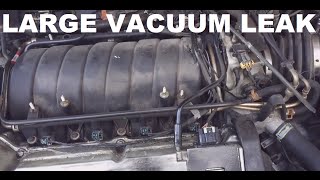
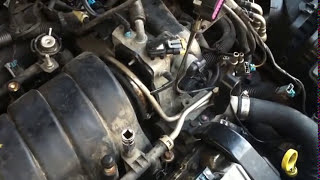
A major vacuum leak on these Northstar engines is often caused by a cracked rubber boot, or coupler, that connects the throttle body to the intake manifold. The symptoms, especially lean codes P0171 and P0174, are identical to a bad intake gasket. Before replacing the gaskets, it is critical to perform a smoke test or carefully spray brake cleaner around the intake area while the engine is running. A change in engine idle will pinpoint the exact location of the leak. It is highly recommended to replace this boot when servicing the intake gaskets, regardless.
Symptoms of a Failing Intake Manifold Gasket
Watch for these signs that your gaskets need to be replaced:
- Rough Idle and Stalling: This is the most common symptom, caused by a vacuum leak letting extra air into the engine.
- Check Engine Light: You will often see codes P0171 and P0174 (System Too Lean), indicating a vacuum leak. A general misfire code, P0300, may also appear.
- Hissing or Whistling Sounds: You may hear a distinct sucking sound from the engine bay, which is air being pulled through the broken gasket.
- Coolant Leaks: If you see coolant pooling on top of the engine or notice the sweet smell of antifreeze, the gasket's coolant seal has likely failed.
- Engine Overheating: A significant coolant leak will cause the engine to run low on coolant and overheat.
- Poor Fuel Economy: The engine's computer tries to compensate for the extra air by adding more fuel, which hurts your gas mileage.
Choosing the Right Aftermarket Gasket Set
For a repair like this, you don't want to have to do it twice. While OEM gaskets are available, high-quality aftermarket brands offer excellent performance, sometimes with improved designs. Given the low cost of the gaskets compared to the labor, choosing a quality part is essential.
- Premium Brands (e.g., Victor Reinz, Fel-Pro): These brands are well-regarded in the repair industry. Victor Reinz highlights its resistance to modern OAT (Organic Acid Technology) coolants, which can degrade lesser materials. Fel-Pro often engineers its gaskets for "imperfect sealing surfaces," which is a major benefit when working on an older engine that may have minor pitting or warping. These are trusted choices for durability.
- Standard Aftermarket (e.g., Dorman): Dorman provides direct replacement parts that are designed to match the original fit and function. They are a reliable and widely available option for this repair.
- Budget Brands (e.g., Apex): While budget-friendly, the quality can be less consistent. For a labor-intensive job like this, saving a few dollars on the gasket itself is generally not recommended, as a premature failure will be costly.
Pro Tip: While you have the intake manifold off, it's the perfect time to replace other parts in the area. This includes the throttle body boot mentioned earlier, fuel injector O-rings, and any brittle vacuum lines. Cleaning the intake ports and the manifold mating surfaces thoroughly is also critical for a good seal.
Cost to Replace the Intake Manifold Gasket Set
| Part/Service | Estimated Cost |
|---|---|
| Shop Labor | $250 - $450 |
| New Aftermarket Gasket Set | $20 - $40 |
| Total Professional Repair | $270 - $490 |
Note: Costs are estimates and can vary based on your location and the specific repair shop. This does not include the cost of related parts like the intake boot or new coolant.
Frequently Asked Questions (FAQ)
Is an intake manifold gasket the same as a head gasket?
No. The intake manifold gasket seals the air intake manifold to the cylinder heads. A head gasket seals the cylinder heads to the engine block. Head gasket failure on a Northstar is a much more severe and expensive repair.
Can I reuse my old gaskets?
No. Intake manifold gaskets are a one-time-use part. They crush and deform to create a seal and will not seal properly if reinstalled.
Do I need any special tools for this job?
You will need a good socket set, wrenches, pliers, and a torque wrench to tighten the manifold bolts to the correct specification. A fuel line disconnect tool may also be necessary. The bolts must be tightened in a specific sequence to avoid warping the plastic manifold.
🎬 Watch this step-by-step guide to replacing your intake gaskets.Are there any recalls for this issue?
There are no specific recalls for the intake manifold gasket on the 2000-2005 DeVille. However, there is a major safety recall (NHTSA Campaign ID: 14V355) for the ignition switch, which can cause the engine to shut off while driving. You should ensure this recall has been performed on your vehicle.
Helpful Videos

Technical Specifications
The intake manifold on the 4.6L Northstar is made of a Nylon 66 thermoplastic. The gasket set must be compatible with this material and resistant to modern OAT coolants.
We Have This Part in Stock

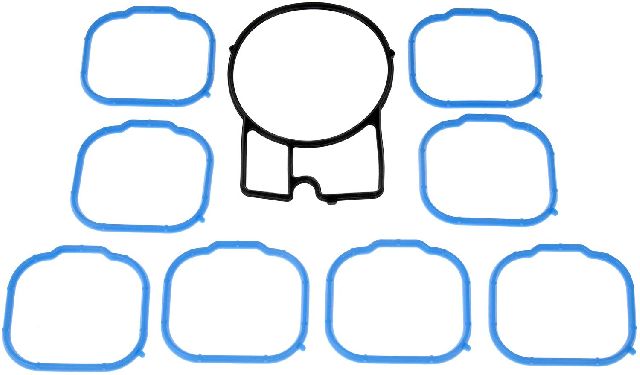
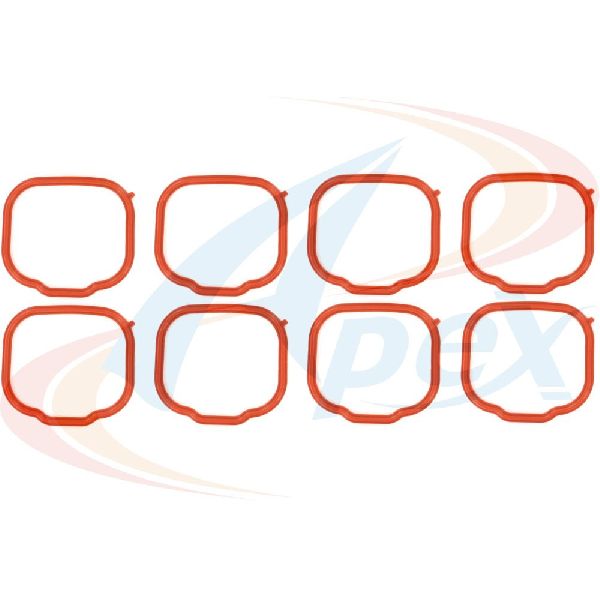

The information in this article is provided for general reference and educational purposes only. Vehicle specifications, procedures, and part compatibility can vary by production date, trim level, and region. Always consult your vehicle's factory service manual and verify part numbers before purchasing or performing repairs. Safety-critical components such as airbags, seat belts, and braking systems should be installed by a qualified professional.
- Cadillac DeVille: