

Chevrolet Blazer Brake Master Cylinder Guide: 2000-2005
A soft brake pedal on your Blazer is a critical warning sign—here's how to choose the right replacement part.
- A soft or sinking brake pedal is the number one sign of a failing master cylinder and is a critical safety failure.
- You must bench bleed the new master cylinder before installation to prevent a spongy pedal feel.
- Your Blazer uses DOT 3 brake fluid; using the wrong type can damage the brake system.
- For this vehicle, reputable aftermarket brands like ACDelco Professional, Raybestos, and Centric offer reliable quality at a good price.
Is Your Blazer's Brake Master Cylinder Failing?
A failing brake master cylinder is a serious safety issue that should be addressed immediately. The most common failure is due to internal seals wearing out, which allows fluid to bypass the pistons. This means the pressure you apply at the pedal doesn't fully transfer to the brakes. 🎬 Watch this guide to help diagnose your brake problems. Here are the most common symptoms you'll experience.
Top Failure Symptoms
- Spongy or Sinking Brake Pedal: This is the most common sign. The pedal feels soft, mushy, or slowly sinks to the floor when you hold it down. This happens because worn internal seals allow fluid to leak past, preventing the system from holding pressure.
- Reduced Braking Power: Your Blazer may take longer to stop, or you might notice that only the front or rear brakes seem to be working. This indicates a loss of hydraulic pressure in one of the two brake circuits.
- Brake Warning Light: A sensor in the brake fluid reservoir can trigger the brake warning light on your dashboard if the fluid level is low, which could be caused by a leak.
- Contaminated Brake Fluid: If you check your brake fluid and it looks dark or has black specks in it, the rubber seals inside the master cylinder may be breaking down.
Known Issues for 2000-2005 Chevrolet Blazer
While the 2000-2005 Blazer generation is known for several common problems like fuel pump and transmission issues, there are no widespread, specific recalls or Technical Service Bulletins (TSBs) directly targeting the brake master cylinder itself. However, a recall (NHTSA #99V220) was issued for some 2-wheel drive models for improperly tightened ABS module pipe nuts that could lead to a fluid leak and increased stopping distance, which can present symptoms similar to a failing master cylinder. Always check for leaks throughout the entire brake system before replacing the master cylinder.
Choosing the Right Aftermarket Master Cylinder
For a vehicle like the 2000-2005 Blazer, aftermarket parts offer excellent value. The original parts have been on the market long enough for aftermarket companies to refine their designs. Here’s a breakdown of the available brands.
Brand Tiers for Your Blazer
- OEM-Equivalent Quality (ACDelco, Raybestos, Centric):
- ACDelco: As a GM-affiliated brand, ACDelco is often the original equipment manufacturer. Their "Professional" line is generally considered a direct, high-quality replacement. Be aware they also offer more budget-friendly lines like "Advantage" which may have different quality standards.
- Raybestos & Centric: Both are highly respected names in the aftermarket brake industry. They are known for producing parts that meet or exceed original specifications and offer reliable, consistent performance. Many professional mechanics trust these brands for daily drivers.
- Reliable Mid-Tier (Dorman):
- Dorman: Dorman has a mixed reputation; some mechanics avoid them, while others find their parts to be a decent value. They are known for creating "OE FIX" parts that sometimes improve on the original design. For a common part like this, their quality is generally acceptable for a daily driver, but some users report inconsistent reliability.
- Budget-Friendly (Replacement, Skyward):
- Replacement / Skyward: These are typically private-label or house brands that offer the lowest price point. While they meet basic functional requirements, they may not have the same long-term durability or precise finish as the premium brands. They can be a viable option if budget is the primary concern.
Pro Tip: Before installing your new master cylinder, you MUST bench bleed it. This process removes air from inside the cylinder itself. 🎬 See how to properly bench bleed your new master cylinder. Skipping this step will make it nearly impossible to get all the air out of your brake lines, resulting in a spongy pedal no matter how good the new part is.
Cost of Replacing Your Blazer's Master Cylinder
The cost can vary depending on whether you do the work yourself or take it to a shop. The part itself is affordable, but labor and the need for a full brake fluid flush will add to the total cost.
| Item | Estimated Cost |
|---|---|
| New Aftermarket Master Cylinder | $73 - $155 |
| Shop Labor | $150 - $250 |
| Brake Fluid (2-3 quarts of DOT 3) | $20 - $35 |
| Total Professional Replacement | $243 - $440 |
Frequently Asked Questions
What kind of brake fluid does my 2000-2005 Blazer need?
Your Chevrolet Blazer requires DOT 3 brake fluid. The original GM part number for this fluid was P/N 12377967, which has been updated to P/N 19353126. You can also use a fluid that meets both DOT 3 and DOT 4 standards. Do not use DOT 5 fluid, as it is silicone-based and not compatible with your Blazer's system.
Is it hard to replace the master cylinder myself?
For a DIY mechanic, this job is moderately difficult. The main challenges are bench bleeding the new cylinder correctly and then bleeding the entire brake system at all four wheels. You will need flare nut wrenches to avoid stripping the brake line fittings. If you are not comfortable with brake system work, it is best to leave this job to a professional.
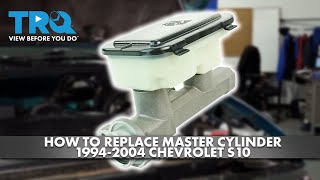
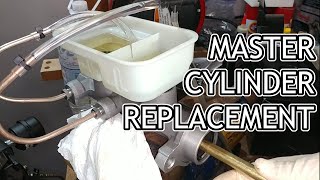
🎬 Follow this step-by-step walkthrough to replace your Blazer's master cylinder.Do I need to replace the brake booster too?
Not usually. A bad master cylinder can sometimes leak fluid into the brake booster, which will eventually cause the booster to fail. If you see brake fluid leaking from the area where the master cylinder bolts to the booster, you may need to replace both. A key difference in symptoms is that a bad booster typically causes a hard pedal, while a bad master cylinder causes a soft or sinking pedal.
What does "with Stamping # DX on Master Cylinder" mean?
Some replacement parts mention a specific stamping code, like "DX". This refers to an identifying mark on the original part's casting. While it's a good practice to check for this, most aftermarket parts for the 2000-2005 Blazer are interchangeable across the different stampings for standard models. It's most important to ensure you are buying a part specified for your exact year and drivetrain (2WD vs 4WD).
Helpful Videos
Technical Specifications
OEM Part Numbers: 19353126
Required Brake Fluid: DOT 3
We Have This Part in Stock
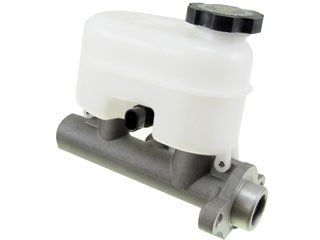
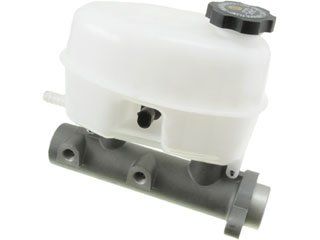
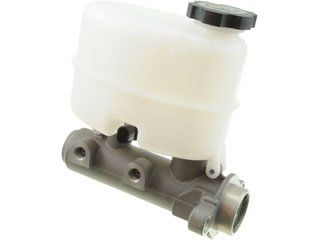
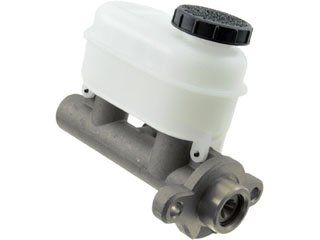

The information in this article is provided for general reference and educational purposes only. Vehicle specifications, procedures, and part compatibility can vary by production date, trim level, and region. Always consult your vehicle's factory service manual and verify part numbers before purchasing or performing repairs. Safety-critical components such as airbags, seat belts, and braking systems should be installed by a qualified professional.
- Chevrolet Blazer:
- 🎬 Helpful Videos
- 🛍️ Shop This Part
- Is Your Blazer's Brake Master Cylinder Failing?
- Top Failure Symptoms
- Known Issues for 2000-2005 Chevrolet Blazer
- Choosing the Right Aftermarket Master Cylinder
- Brand Tiers for Your Blazer
- Cost of Replacing Your Blazer's Master Cylinder
- Frequently Asked Questions
- 🎟️ Get 5% Off