

A Comprehensive Guide to the Oxygen Sensor for the 2000-2005 Chevrolet Impala
Fix your Check Engine Light and improve gas mileage by understanding your Impala's oxygen sensors.
- A bad oxygen sensor will turn on the Check Engine Light and decrease fuel economy.
- For best results on a 2000-2005 Impala, use an OEM brand like ACDelco or a premium aftermarket brand like Denso or NGK.
- The job is DIY-friendly, but an O2 sensor socket and penetrating oil are essential for easier removal.
- Ignoring a bad O2 sensor can lead to the failure of your much more expensive catalytic converter.
Is a Bad Oxygen Sensor Causing Your Impala's Problems?

A failing oxygen sensor, or O2 sensor, is a common issue on the 2000-2005 Chevrolet Impala. Because this part is so important for fuel control and emissions, a bad sensor can cause noticeable problems. Ignoring a failing O2 sensor can lead to poor performance, wasted fuel, and even damage to other expensive parts like the catalytic converter.
Don't Ignore the Check Engine Light
The most common sign of a bad O2 sensor is a Check Engine Light on your dashboard. While it's tempting to ignore, doing so can cost you money in the long run through poor fuel economy and could lead to a failed emissions test.
Symptoms of a Failing Oxygen Sensor

- Check Engine Light: The most frequent symptom. Common codes include P0135, P0141, P0140, and P0131.
- Poor Fuel Economy: If your Impala seems to be using more gas than usual, a bad upstream O2 sensor could be the cause.
- Rough Idle or Engine Misfire: The engine may run poorly, shake at idle, or hesitate when you accelerate.
- Bad Smell from Exhaust: A smell like rotten eggs or sulfur can indicate that too much unburnt fuel is reaching the catalytic converter.
- Failed Emissions Test: A bad O2 sensor will cause your vehicle to fail state-mandated emissions inspections.
How Many Sensors Does My Impala Have?

Your 2000-2005 Impala, whether it has the 3.4L or 3.8L V6 engine, has at least two oxygen sensors:
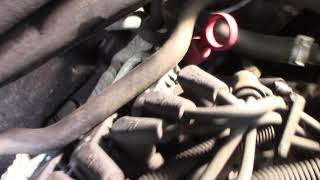
- Upstream (Bank 1, Sensor 1): Located in the rear exhaust manifold, near the firewall. This sensor 🎬 Watch: Locate and replace the upstream sensor near the firewall. is crucial for managing the engine's fuel mixture.
- Downstream (Bank 1, Sensor 2): Located in the exhaust pipe after the catalytic converter. This sensor's main job is to monitor the converter's health. 🎬 See this walkthrough for replacing the downstream oxygen sensor.
Choosing the Right Aftermarket Oxygen Sensor

When it comes to electronic sensors on your Impala, brand and quality matter. While many aftermarket options are available, some are more reliable than others. Forum discussions among Impala owners often show that using cheap, unproven sensors can lead to the Check Engine Light returning even after the part is replaced.
Brand Quality Tiers for the 2000-2005 Impala
- Tier 1: OEM & Premium Aftermarket (ACDelco, Denso, Delphi, NGK/NTK)
ACDelco is the original GM parts brand, and Delphi was a key OEM supplier during this era. Denso and NGK (NTK) are well-respected Japanese brands that are often the actual manufacturers for many car companies. These brands are your best bet for a direct-fit, reliable replacement that works correctly the first time. - Tier 2: Quality Aftermarket (Bosch, Walker Products)
Bosch invented the oxygen sensor and is a global leader in automotive parts. They are generally a very safe and high-quality choice. Walker is another established name in exhaust and emission components. These brands offer a good balance of price and quality. - Tier 3: Budget-Friendly (DriveWire, Spectra, Vemo)
These brands provide a lower-cost alternative. While they can get the job done, especially on an older vehicle, their lifespan and performance may not match the premium brands. They are a viable option if budget is the primary concern.
Pro Tip: Direct-Fit vs. Universal
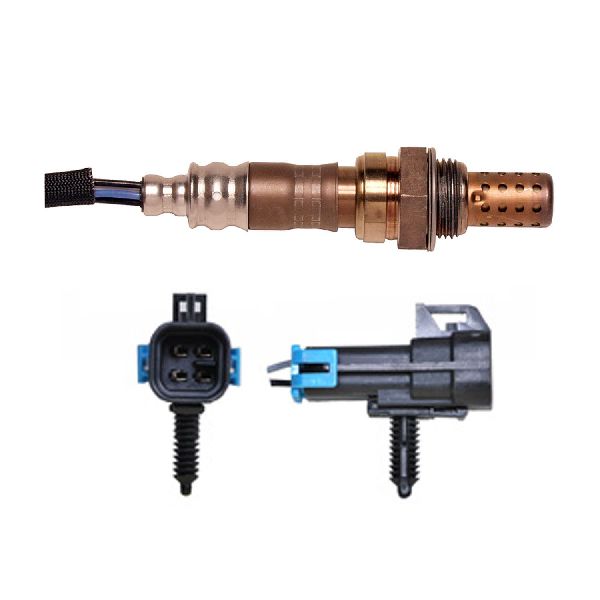
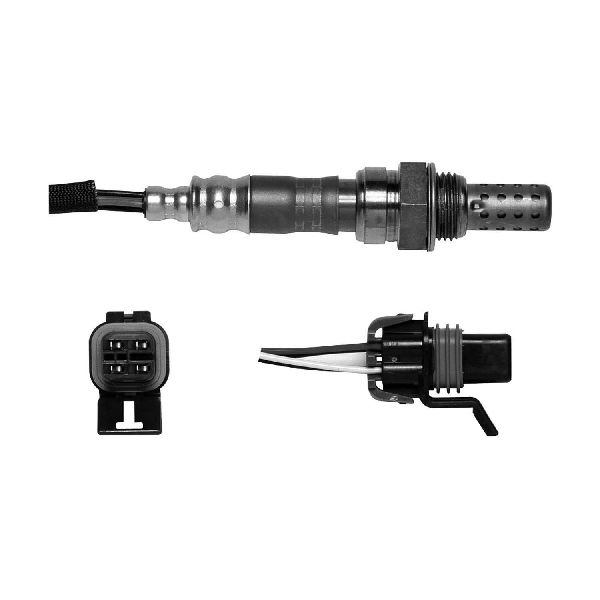
Always choose a "direct-fit" sensor. These come with the correct-length wire and factory-style electrical connector for your Impala, making installation much easier. Universal sensors require you to cut and splice wires, which can lead to connection problems down the road.
Estimated Costs to Replace an Oxygen Sensor
| Part Type | Estimated Cost |
|---|---|
| New Aftermarket Part | $34 - $108 |
| Shop Labor | $100 - $180 |
| Total Estimated Cost (DIY) | $34 - $108 |
| Total Estimated Cost (Installed at Shop) | $134 - $288 |
Frequently Asked Questions (FAQ)

Can I replace just one oxygen sensor?
Yes. You only need to replace the sensor that has failed. Your mechanic or an OBD-II code reader can tell you which sensor is causing the problem (e.g., Bank 1 Sensor 1).
What tools do I need to replace an O2 sensor?
The most important tool is a special oxygen sensor socket, which is a deep socket with a cutout for the wire. You will also need a ratchet and possibly an extension. A 7/8" (22mm) wrench can also work. Applying penetrating oil to the old sensor for a day or two before trying to remove it is highly recommended.
My Check Engine Light is on for codes P0135 and P0141. Do I need two sensors?
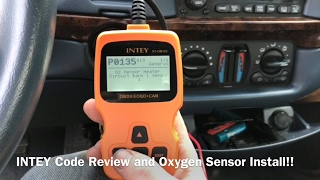
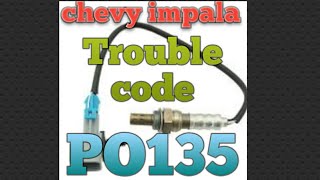
Not necessarily. P0135 and P0141 are both for the heater circuit. When multiple heater circuit codes appear at once, the first thing to check is the fuse that powers them. A single blown fuse can trigger codes for both sensors.
🎬 Watch: How to fix heater circuit codes like P0135.Can I clean my old oxygen sensor?
While some people attempt to clean O2 sensors, it is not a reliable or recommended repair. Contaminants that cause the sensor to fail are often internal. For a lasting fix, replacement is the best option.
Helpful Videos
Technical Specifications
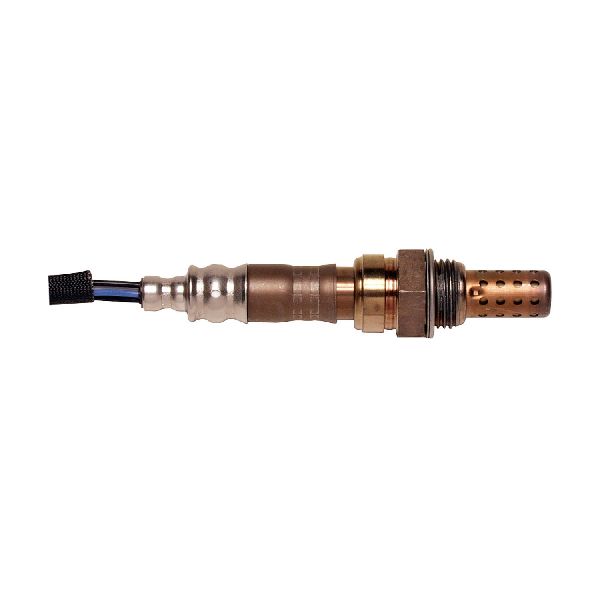
OEM Part Numbers: 12583190 12574218 12569496 88929880
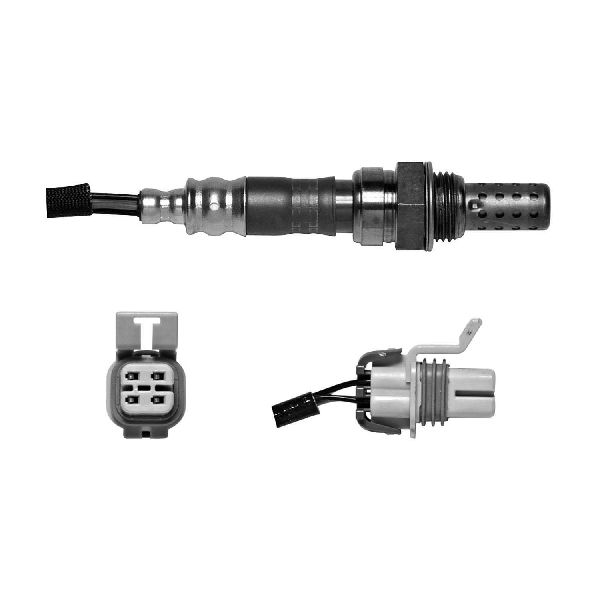
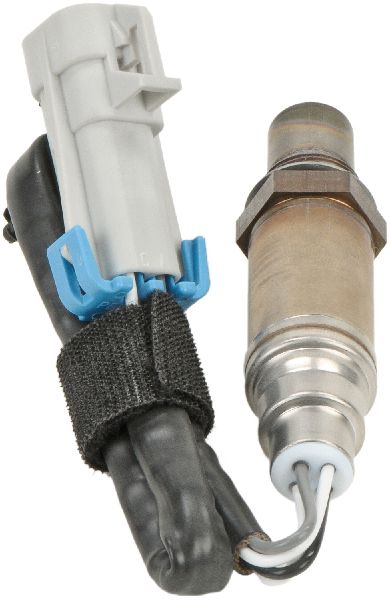
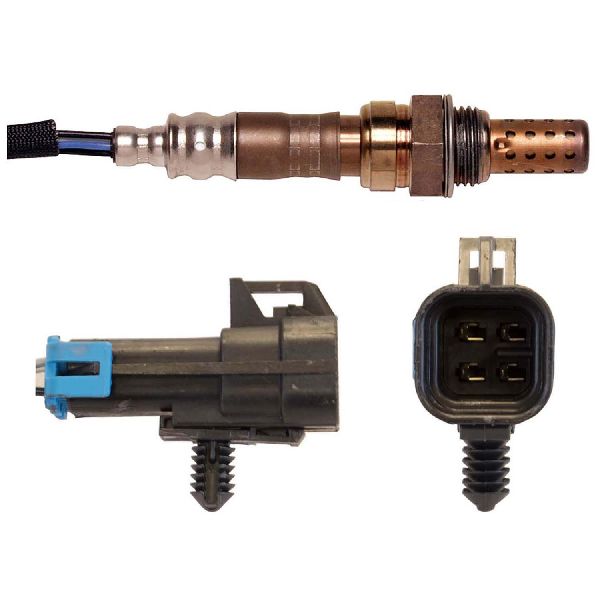
The 2000-2005 Impala uses heated, 4-wire oxygen sensors. The upstream sensor is located in the rear exhaust manifold and the downstream sensor is located after the catalytic converter. A 7/8" (22mm) O2 sensor socket is required for removal.
We Have This Part in Stock

The information in this article is provided for general reference and educational purposes only. Vehicle specifications, procedures, and part compatibility can vary by production date, trim level, and region. Always consult your vehicle's factory service manual and verify part numbers before purchasing or performing repairs. Safety-critical components such as airbags, seat belts, and braking systems should be installed by a qualified professional.
- Chevrolet Impala:
- 🎬 Helpful Videos
- 🛍️ Shop This Part
- Is a Bad Oxygen Sensor Causing Your Impala's Problems?
- Don't Ignore the Check Engine Light
- Symptoms of a Failing Oxygen Sensor
- How Many Sensors Does My Impala Have?
- Choosing the Right Aftermarket Oxygen Sensor
- Brand Quality Tiers for the 2000-2005 Impala
- Pro Tip: Direct-Fit vs. Universal
- Estimated Costs to Replace an Oxygen Sensor
- Frequently Asked Questions (FAQ)
- 🎟️ Get 5% Off