

Ford Excursion Brake Master Cylinder (2000-2005): A Guide to Replacement
If your Excursion's brake pedal feels soft or sinks to the floor, your master cylinder is the likely cause.
- A spongy or sinking brake pedal is the number one sign of a failing master cylinder on an Excursion.
- It is critical to bench bleed the new master cylinder before installation to ensure a firm pedal.
- There are no active recalls for the master cylinder on the 2000-2005 Ford Excursion; recalls you find online are for newer models.
- After replacing the master cylinder, the entire brake system must be bled, starting with the passenger rear wheel.
Is Your Brake Pedal Telling You Something?
The most common sign of a failing brake master cylinder in a 2000-2005 Ford Excursion is a change in how the brake pedal feels. If the pedal feels spongy, soft, or slowly sinks to the floor when you hold it down at a stoplight, the internal seals have likely worn out. This allows fluid to bypass the pistons instead of building pressure to stop the vehicle. You might also notice the brake warning light on your dash, which can be triggered by a low fluid level caused by a leak. A leak can be external, showing up as fluid on the brake booster or firewall, or internal, where fluid leaks into the brake booster, causing the fluid level in the reservoir to drop over time.
Known Issues: Recalls and TSBs
While there are several well-known Ford recalls for brake master cylinders leaking into the brake booster (NHTSA 16V-345, 22V-150, 25V-236), these apply to much newer F-150, Expedition, and Navigator models. There are no major recalls or Technical Service Bulletins (TSBs) for the brake master cylinder on the 2000-2005 Ford Excursion. However, a "soft pedal" is a very common complaint among owners, which can be caused by the master cylinder, air in the lines, old rubber brake hoses, or issues with the ABS hydraulic unit.
Choosing the Right Aftermarket Master Cylinder
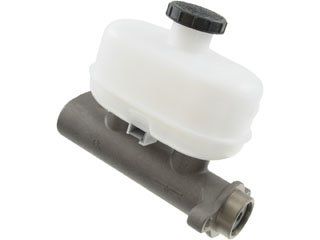
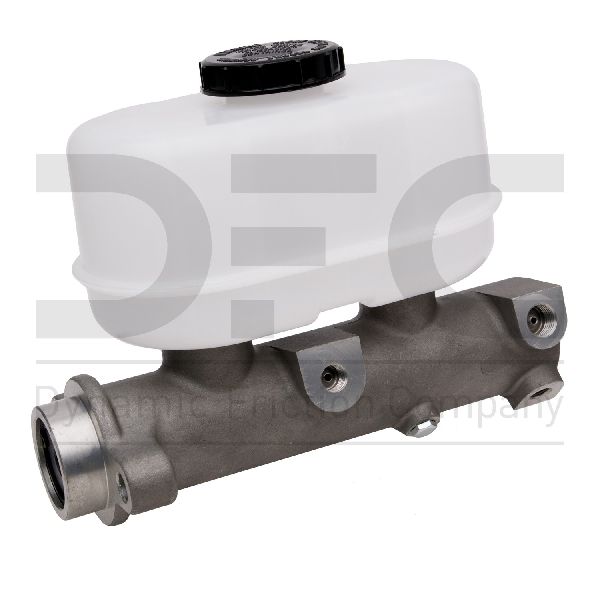
For a vehicle of this age, an aftermarket master cylinder is a practical and affordable choice. The original Motorcraft parts can be expensive and hard to find. Aftermarket brands offer new units that meet original specifications, often at a fraction of the cost. All the brands listed below come as a complete unit with a new reservoir and fluid level sensor included.
Brand Comparison
- Dynamic Friction: Often viewed as a higher-quality aftermarket option, Dynamic Friction provides reliable components that are a good alternative to OEM parts. They are a solid choice if you prioritize longevity and performance.
- Dorman: Dorman is one of the most well-known aftermarket brands. They are known for re-engineering parts to fix common OEM failure points. While their general quality can sometimes be hit-or-miss according to forum discussions, their new master cylinders for this application are generally considered a reliable and widely available option.
- Replacement: This brand offers a direct-fit, budget-friendly option. It's a good choice for owners looking for a functional, low-cost repair to get their Excursion back on the road safely without the premium price tag.
Pro Tip: Regardless of the brand you choose, you must bench bleed the new master cylinder before installing it. This process removes all air from inside the cylinder itself. Skipping this step will make it nearly impossible to get a firm pedal, no matter how many times you bleed the brakes at the wheels.
Cost of Replacing a Ford Excursion Master Cylinder
| Part or Service | Estimated Cost |
|---|---|
| New Aftermarket Master Cylinder | $85 - $130 |
| Shop Labor | $150 - $250 |
| Total Estimated Cost (DIY) | $85 - $130 |
| Total Estimated Cost (Installed) | $235 - $380 |
Frequently Asked Questions
Do I have to replace the brake booster too?
Not always. You should only replace the brake booster if the old master cylinder has leaked brake fluid into it. Brake fluid will destroy the rubber diaphragm inside the booster, leading to a hard pedal or a hissing sound when you brake. If you catch the leak early, you can just replace the master cylinder.
Why is my pedal still soft after replacing the master cylinder?
The most likely reason is air still trapped in the brake system. This could be because the new master cylinder wasn't properly bench-bled before installation, or the entire system needs another round of bleeding. On these trucks, old, flexible rubber brake hoses can also expand under pressure, contributing to a soft feel. In rare cases, the ABS hydraulic unit could be the cause.
What is "bench bleeding" and is it really necessary?
Bench bleeding is the process of removing air from the master cylinder before you install it on the vehicle. It involves mounting the cylinder in a vise, filling it with fluid, and using a tool to slowly push the piston in and out until no more air bubbles come out. This step is absolutely critical. If you install a master cylinder with air inside it, you will have a spongy pedal.
What kind of brake fluid does the 2000-2005 Excursion use?
Your Ford Excursion requires DOT 3 brake fluid. This is specified on the master cylinder reservoir cap. Always use new, unopened fluid when replacing your master cylinder and bleeding the brakes.
Technical Specifications
OEM Part Numbers: F81Z2140EA 5C3Z2140L
Bore Diameter: 1.375 inch. Number of Outlets: 3. Reservoir and Sensor Included: Yes.
We Have This Part in Stock

The information in this article is provided for general reference and educational purposes only. Vehicle specifications, procedures, and part compatibility can vary by production date, trim level, and region. Always consult your vehicle's factory service manual and verify part numbers before purchasing or performing repairs. Safety-critical components such as airbags, seat belts, and braking systems should be installed by a qualified professional.
- Ford Excursion: