

Ford Excursion Engine Coolant Temperature Sensor Guide (2000-2005)
Understanding the right Engine Coolant Temperature Sensor for your Excursion's specific engine is key to a successful repair.
- Identify your engine first; the 7.3L diesel uses a different sensor setup (ECT for gauge, EOT for PCM) than the 5.4L/6.8L gas engines (CHT sensor).
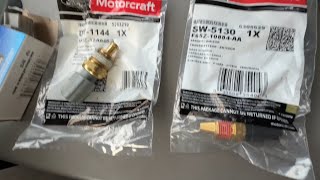
- For the 7.3L Power Stroke, many owners report that only a genuine Motorcraft sensor (SW-5130) will make the temperature gauge work correctly.
- Symptoms of failure include an erratic temp gauge, poor fuel economy, black smoke, and potential overheating.
- Replacing the sensor is DIY-friendly on the 7.3L diesel but more difficult on the gas V8/V10 engines, as the CHT sensor is under the intake manifold.
Symptoms of a Failing ECT Sensor
When an Engine Coolant Temperature (ECT) sensor starts to fail, it sends incorrect information to your Excursion's computer. This can cause a variety of noticeable problems, from poor performance to the risk of serious engine damage if ignored.
- Check Engine Light: This is often the first sign. The computer will detect a signal from the sensor that is out of the normal range and trigger a trouble code, such as P0117 (low input) or P0118 (high input).
- Inaccurate Temperature Gauge: The needle on your dashboard might read cold all the time, jump to hot suddenly, or fluctuate randomly. On 7.3L Power Stroke engines, this is the most common symptom, as the ECT sensor directly controls the gauge. 🎬 Watch: Troubleshooting the 7.3L Power Stroke temperature gauge
- Poor Fuel Economy: If the sensor wrongly tells the computer the engine is cold, the system will inject more fuel than necessary, wasting gas.
- Black Smoke from Exhaust: A consequence of a rich fuel mixture is unburned fuel exiting the exhaust, which appears as black smoke.
- Engine Overheating: A faulty sensor might fail to signal the computer to turn on the cooling fans when needed, leading to overheating. This can cause severe damage like warped cylinder heads.
- Hard Starting or Rough Idle: The computer relies on an accurate temperature reading to manage the engine during startup. A bad signal can lead to rough starts or a shaky idle.
Gas vs. Diesel: An Important Distinction
It's crucial to understand the different temperature sensor setups for the Excursion engines:
- 7.3L Power Stroke Diesel: These engines use an Engine Coolant Temperature (ECT) sensor primarily for the dash gauge and an Engine Oil Temperature (EOT) sensor for PCM calculations like fuel injection. Many owners report that only the genuine Motorcraft sensor works correctly for the gauge. A scan tool may show strange ECT readings because the PCM doesn't use this data on automatic transmission models.
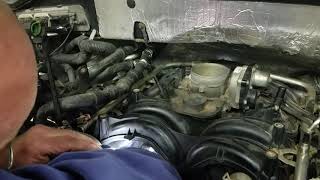
- 5.4L V8 & 6.8L V10 Gas (Triton): These engines often use a Cylinder Head Temperature (CHT) sensor instead of, or in addition to, a traditional ECT sensor. The CHT measures the temperature of the metal cylinder head, which allows the PCM to protect the engine even if there's a coolant loss. The CHT sensor is located under the intake manifold, making it more difficult to replace than a typical ECT sensor.
Choosing the Right Aftermarket ECT Sensor
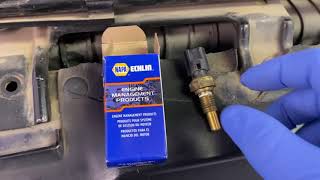
While a Motorcraft OEM sensor is often recommended, especially for the picky 7.3L diesel, several quality aftermarket brands offer reliable and affordable alternatives.
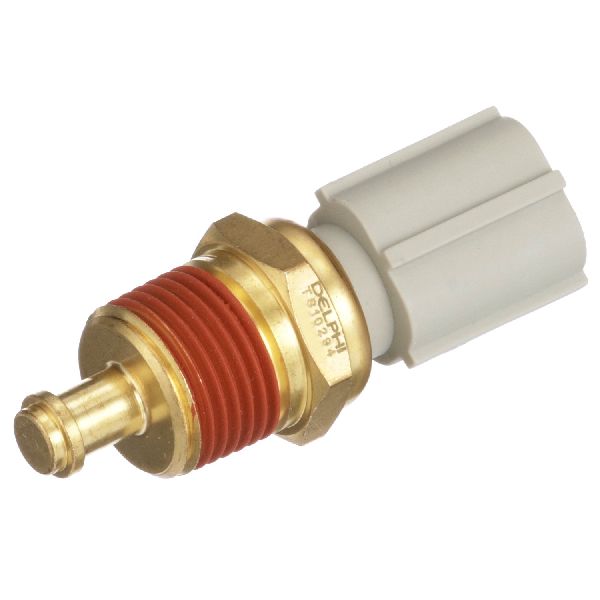
- Premium Aftermarket (OEM-Equivalent): Brands like Delphi, NGK, and Standard Ignition (SMP) are known for producing sensors that meet or exceed original equipment specifications. They are a solid choice for all Excursion engines and are often more affordable than dealer parts.
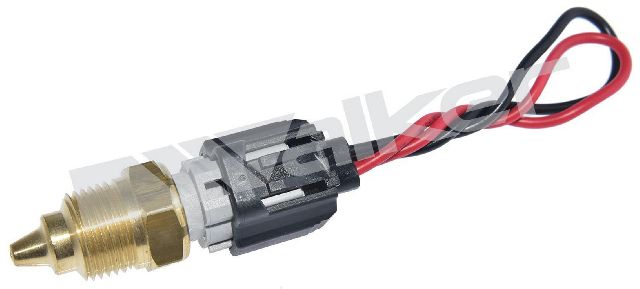
- Quality Aftermarket: Brands such as Four Seasons, Walker Products, and Holstein provide a good balance of quality and value. They are a dependable option for a daily driver.
- Budget-Friendly: Brands like Facet and Global Parts offer a low-cost solution. While functional, some Excursion owners, particularly those with the 7.3L Power Stroke, have reported issues with non-OEM sensors causing incorrect gauge readings.
| Part Type | Price Range | Notes |
|---|---|---|
| New OEM (Motorcraft) | $25 - $135 | Price varies significantly by engine. The 7.3L gauge sender (SW-5130) can be expensive. |
| New Aftermarket | $15.14 - $47.97 | A wide range of quality and price points are available. |
| Shop Labor | $75 - $150 | Depends on the engine. Gas V8/V10 CHT sensors are more labor-intensive. |
Pro Tip: Check Your Connectors
Before replacing the sensor, inspect the electrical connector and wiring. A corroded or damaged connector can mimic the symptoms of a failed sensor. Cleaning the contacts with electrical cleaner or repairing a damaged wire might solve your problem for less.
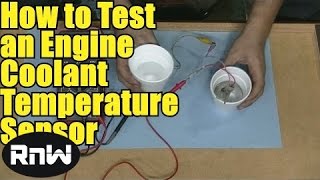
🎬 See how to test your sensor using a basic multimeterFrequently Asked Questions
Where is the ECT sensor located on my Ford Excursion?
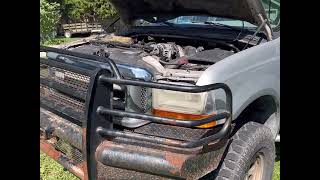
The location depends on your engine. For the 7.3L Power Stroke, the ECT sensor for the gauge is typically threaded into the top of the water pump housing, near the thermostat. For the 5.4L and 6.8L gas engines, you are likely looking for the Cylinder Head Temperature (CHT) sensor, which is located on the driver's side cylinder head, underneath the intake manifold. The 6.0L Power Stroke (2003.5-2005) has its ECT sensor in the engine front cover.
Can I replace the Engine Coolant Temperature Sensor myself?
Yes, for most DIY mechanics, this is a manageable job. For the 7.3L diesel, it's fairly easy, requiring you to drain a small amount of coolant and unscrew the sensor from the water pump. For the 5.4L/6.8L gas engines, replacing the CHT sensor is more involved as it requires removing the alternator to gain access. 🎬 Watch this walkthrough for replacing the Triton V10 CHT sensor The difficulty is moderate, and it can take 1-2 hours.
Are there any recalls for the Excursion's coolant temperature sensor?
There are no specific recalls for the Engine Coolant Temperature Sensor on the 2000-2005 Ford Excursion. However, Ford has issued recalls and Technical Service Bulletins (TSBs) for other vehicles related to cooling system problems and sensors, but none directly apply to this specific part on the Excursion.
What happens if I don't replace a bad ECT sensor?
Ignoring a bad sensor can lead to ongoing problems like terrible fuel mileage and poor engine performance. The most serious risk is engine overheating if the sensor fails to activate the cooling fans, which could lead to catastrophic damage like a blown head gasket or cracked cylinder head.
Helpful Videos
Technical Specifications
OEM Part Numbers: 3F1Z-12A648-A DY-1144 F5AZ-12A648-A F65Z-10884-AA 3C3Z-10884-AA SW-5130
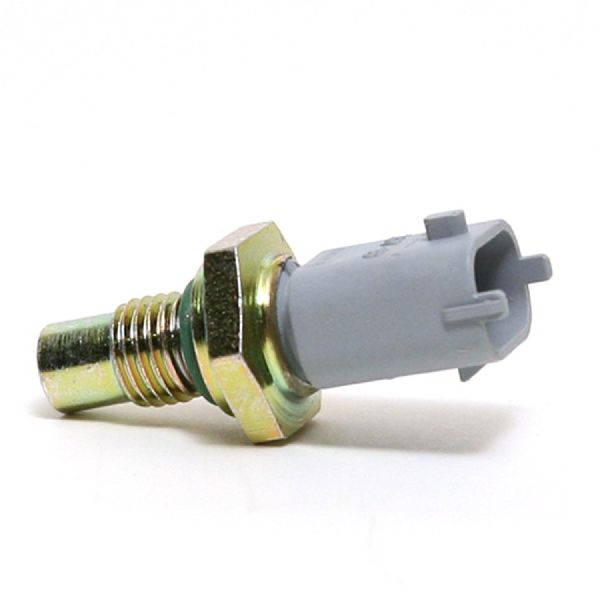
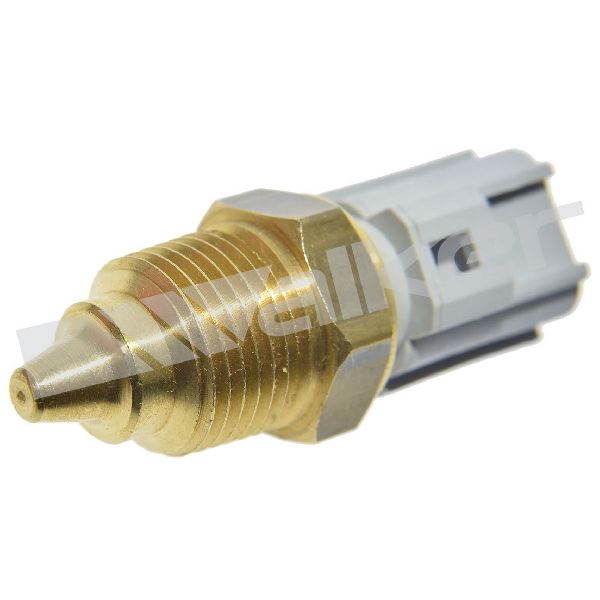
The sensor is a thermistor, which changes its electrical resistance based on temperature. Most are 2-terminal sensors with a threaded brass body. Note that gas engines may use a Cylinder Head Temperature (CHT) sensor, while 7.3L diesels use a specific Engine Coolant Temperature (ECT) sensor for the gauge and an Engine Oil Temperature (EOT) sensor for the computer.
We Have This Part in Stock


The information in this article is provided for general reference and educational purposes only. Vehicle specifications, procedures, and part compatibility can vary by production date, trim level, and region. Always consult your vehicle's factory service manual and verify part numbers before purchasing or performing repairs. Safety-critical components such as airbags, seat belts, and braking systems should be installed by a qualified professional.
- Ford Excursion: