

Ford Excursion Engine Cylinder Head Temperature Sensor Guide (2000-2005)
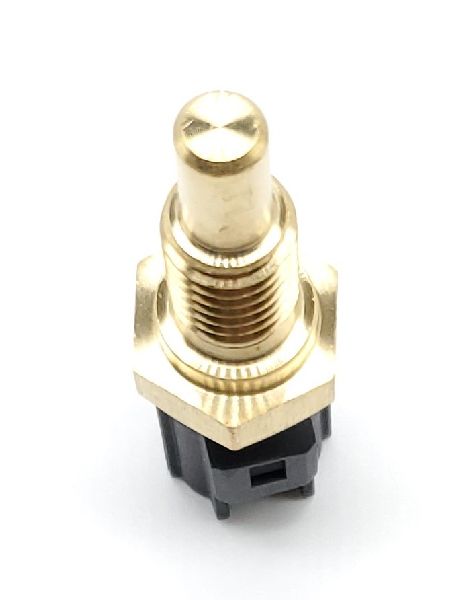
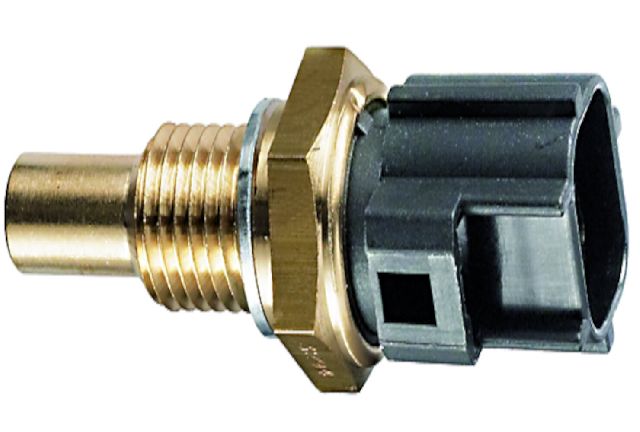
This guide covers the critical Engine Cylinder Head Temperature (CHT) sensor for gas-powered 2000-2005 Ford Excursions.
- This sensor is only for the 5.4L V8 and 6.8L V10 gas engines; diesel Excursions use a different part.
- A failing CHT sensor can trigger a 'limp mode' (code P1299), which drastically reduces engine power to prevent damage.
- Due to the difficult replacement labor, a high-quality Motorcraft or premium aftermarket sensor (like Standard Ignition) is strongly recommended over budget parts.
- Replacement is challenging as the sensor is located under the intake manifold, but can often be done by just removing the alternator.
Understanding Your Excursion's Temperature Sensor
The Engine Cylinder Head Temperature (CHT) sensor is a small but vital part for the 5.4L V8 and 6.8L V10 gas engines in your 2000-2005 Ford Excursion. Unlike a typical sensor that measures coolant temperature, the CHT measures the engine's metal head temperature directly. This provides a more accurate reading of engine heat, especially in a low-coolant situation. When this sensor fails, it sends incorrect information to the engine's computer, leading to a range of performance issues and potentially triggering a limp mode. This guide is specifically for the gasoline V8 and V10 engines, as the 7.3L and 6.0L Power Stroke diesel engines use a different Engine Coolant Temperature (ECT) sensor.
Symptoms of a Failing CHT Sensor
When the CHT sensor begins to fail, it can cause confusing symptoms. The computer may think the engine is overheating when it's not, or vice-versa. Here are the most common signs:
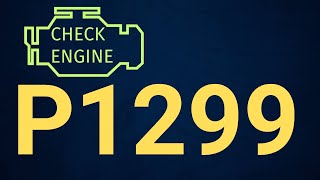
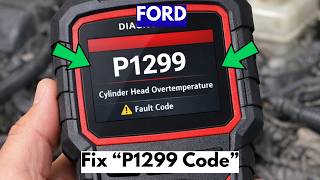
- Check Engine Light: This is often the first warning. Common trouble codes include P1289 (CHT Sensor Circuit High) and P1299 (Cylinder Head Overtemperature Protection Active).
- Engine Enters "Limp Mode": A P1299 code means the computer has activated the fail-safe cooling strategy. It will shut down fuel to half of the cylinders, causing a severe loss of power, rough running, and a loud air-pumping sound. This is designed to let you drive a short distance to safety without destroying the engine.
- Inaccurate Temperature Gauge: The gauge on your dashboard may suddenly peg on hot, even if the engine is cold, or drop to cold and stay there.
- Cooling Fans Run Constantly: The computer may default to running the cooling fans at high speed all the time as a precaution.
- Poor Engine Performance: You might experience hard starting, rough idle, hesitation, and reduced fuel economy as the computer uses incorrect fuel and timing adjustments.
Gas vs. Diesel: An Important Distinction
This article and the parts discussed apply only to the 5.4L V8 and 6.8L V10 gasoline engines. The 7.3L and 6.0L Power Stroke diesel engines use a conventional Engine Coolant Temperature (ECT) sensor located in a coolant passage, which is a different part with a different replacement procedure.
Choosing the Right Aftermarket CHT Sensor
Because this sensor is difficult to access, the labor for replacement is the most expensive part of the job. Saving a few dollars on a cheap sensor is not worth the risk of having to do the job twice. For critical sensors like the CHT, quality matters.
- OEM (Motorcraft): The original Motorcraft sensor is widely considered the most reliable option by Ford mechanics and owners. It provides the most accurate readings and longest service life. If your budget allows, this is the recommended choice.
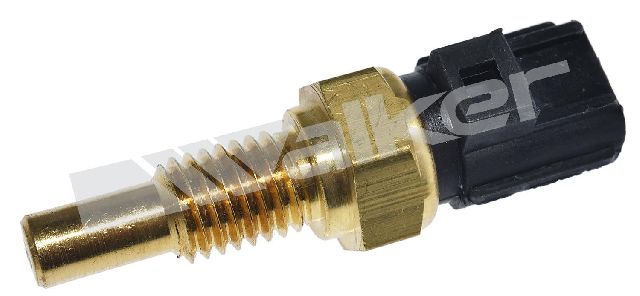
- Premium Aftermarket (Standard Ignition, Walker Products): Brands like Standard Motor Products (Standard Ignition) and Walker are known for making quality sensors that are reliable alternatives to OEM. They are a good balance of price and quality for owners who don't want to pay dealer prices.
- Budget Aftermarket (Facet, Holstein, etc.): While very affordable, budget-tier sensors can be a gamble. They may have a shorter lifespan or less accurate readings, potentially causing performance issues or a premature failure that requires you to pay for the difficult labor all over again.
Pro Tip: Check the Connector First. Before you replace the sensor, always inspect the wiring and electrical connector. A corroded, loose, or damaged connector can cause the exact same symptoms as a failed sensor. Cleaning the contacts or repairing a wire could save you time and money.
| Part Type | Price Range |
|---|---|
| New OEM (Motorcraft) | $45 - $75 |
| New Aftermarket | $14.84 - $38.89 |
| Shop Labor | $150 - $300 |
Frequently Asked Questions (FAQ)
Where is the CHT sensor located on the Excursion?
On both the 5.4L V8 and 6.8L V10 engines, the CHT sensor is located on the driver's side cylinder head, underneath the intake manifold, near the front of the engine. It is notoriously difficult to reach.
Can I replace the CHT sensor myself?
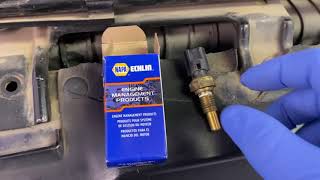
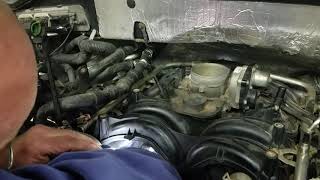
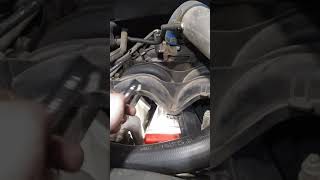
This is a challenging DIY job. The official service manual procedure requires removing the upper intake manifold. 🎬 See how to replace the CHT sensor on a 5.4L Triton. However, many mechanics and DIYers have found it possible to replace it by only removing the alternator for access. 🎬 Watch this DIY walkthrough for replacing the sensor on a V10. This method requires special tools like a 19mm crow's foot wrench or a very short stubby wrench to work in the tight space. Due to the difficulty, it is rated as a moderately difficult job.
What is fail-safe cooling mode?
Fail-safe cooling mode is an emergency strategy triggered by the PCM when it detects a critical overheating condition from the CHT sensor (DTC P1299). It shuts off fuel to half the engine's cylinders, turning them into air pumps to help cool the engine down. This results in a major loss of power but can prevent the cylinder heads from warping or cracking, saving the engine from catastrophic failure.
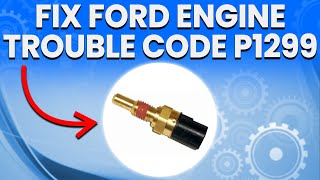
🎬 Learn more about diagnosing the P1299 over-temperature protection code.Are there any recalls for the Excursion CHT sensor?
No, there are no specific recalls from Ford or the NHTSA for the Engine Cylinder Head Temperature Sensor on the 2000-2005 Ford Excursion.
Helpful Videos
Technical Specifications
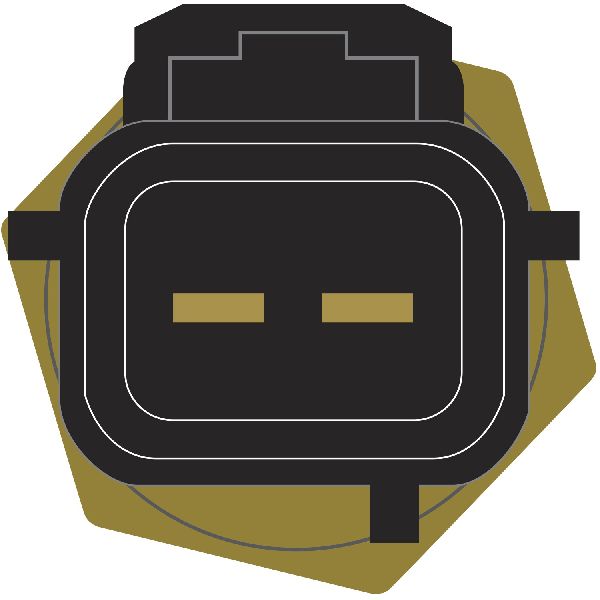
OEM Part Numbers: XL3Z-6G004-AA
Location: Driver's side cylinder head, under intake manifold. Tool required for removal: 19mm crow's foot or stubby wrench.
We Have This Part in Stock


The information in this article is provided for general reference and educational purposes only. Vehicle specifications, procedures, and part compatibility can vary by production date, trim level, and region. Always consult your vehicle's factory service manual and verify part numbers before purchasing or performing repairs. Safety-critical components such as airbags, seat belts, and braking systems should be installed by a qualified professional.
- Ford Excursion: